







-


-


-


Online Message


How long does customs clearance take for imported ice cream?
2026-11-10
Share to:


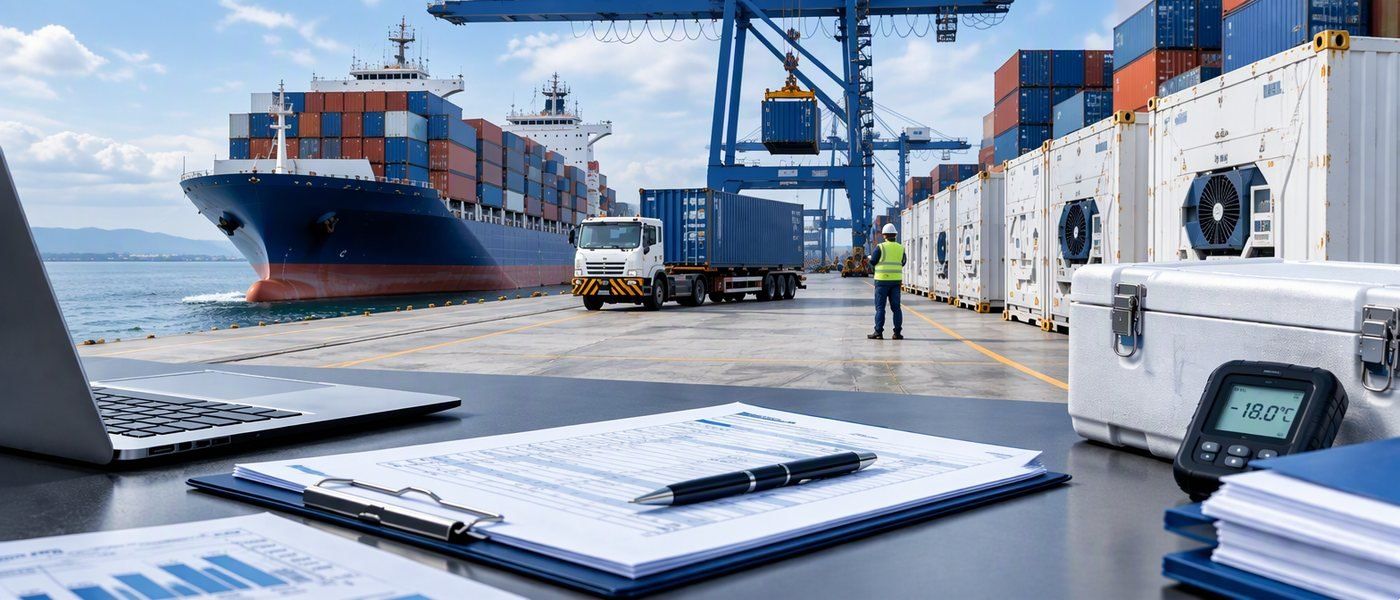
There is no single figure for how long customs clearance takes for imported ice cream. Clearance consists of declaration, document review, possible inspection, and possible testing, and the last two elements are uncertain. For frozen goods, waiting time is also cost, since the reefer container needs power throughout its stay at the port. Importers must plan with a buffer and ensure complete documents.
What are the stages of ice cream customs clearance?
The clearance process for imported China 3D ice cream typically breaks down into four sequential stages, though the timeline varies by port and shipment specifics:
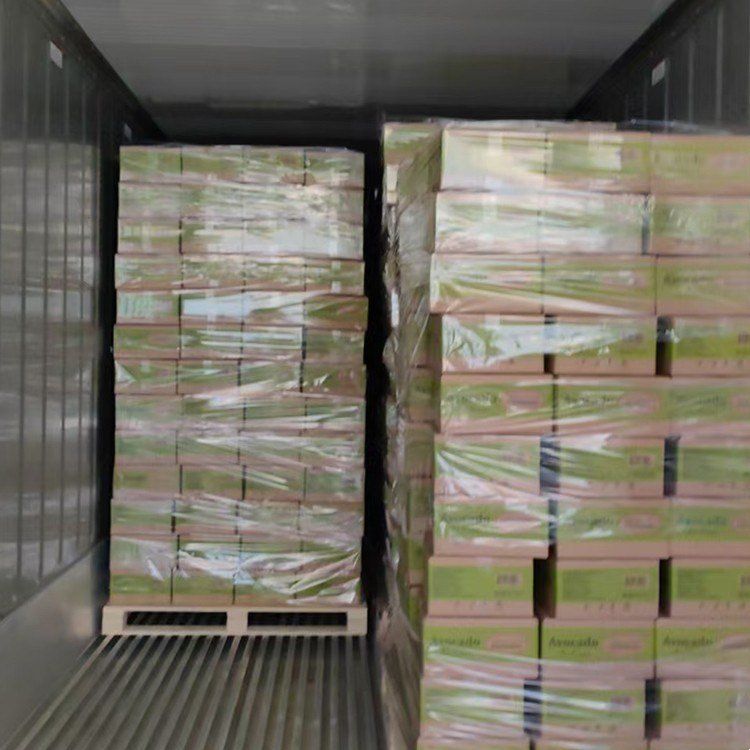
- Declaration and Document Review: Electronic submission of commercial invoices, packing lists, bills of lading, certificates of origin, and compliance certificates (such as Halal, FDA facility registration, and ISO 22000). If paperwork is complete, this stage clears within 24 to 48 hours.
- Customs Inspection: Customs authorities may select the container for a physical or X-ray inspection to verify that package markings match the documents.
- Sampling and Laboratory Testing: Random or targeted microbiological, additive, or compositional tests may be triggered, which adds days or weeks depending on the laboratory backlog.
- Release and Port Gate-Out: Once clearance is granted, the container is cleared for pick-up.
Why are inspection and testing the main variables?
While electronic declaration is predictable, physical inspections and laboratory testing introduce uncontrollable delays. According to industry logistics practice (D06-2-6-003, D06-2-6-005), regulatory bodies may test for compositional standards or labeling compliance without prior notice. If a shipment is flagged for testing, the container remains in the port's custody while samples are processed. For frozen products, this waiting period directly translates to operational risk and rising costs.
Why is port waiting time an active cost for frozen goods?
For dry cargo, port delays only tie up capital. For imported China 3D ice cream, waiting time is an immediate financial drain because the reefer container must maintain a continuous power supply (recommended at -20°C for standard shipping or -23°C to -25°C for long-haul ocean transit). Unplanned detention, demurrage, and reefer plug-in fees accumulate daily during inspection holds. Furthermore, temperature fluctuations during port congestion pose severe risks to product integrity (D06-2-2-001).
Summary Checklist for Buyers
| Clearance Factor | Operational Reality | Recommended Action |
|---|---|---|
| Document Readiness | Pre-check all certificates (FDA, Halal, ISO) | Submit clean paperwork before vessel arrival |
| Inspection Risk | Random or targeted physical checks | Factor in 3–7 buffer days for standard clearance |
| Reefer Power Costs | Continuous plug-in fees accrue during holds | Monitor port demurrage policies and terminal power charges |
FAQ
Q: Can pre-filing documents speed up ice cream customs clearance? A: Yes. Submitting bills of lading, commercial invoices, and regulatory certificates before the vessel docks allows customs officers to complete document review ahead of physical arrival, minimizing port-side delay.
Q: How do cold chain requirements affect port handling time? A: Refrigerated containers require continuous electricity. Port terminals charge dedicated plug-in fees, and extended holds increase the risk of temperature excursions if port power points or monitoring systems experience faults.
This guide was prepared by the Hicey technical and export desk. Beijing Youshare Food Co., Ltd. produces 3D novelty frozen desserts, offering 45 distinct product varieties available in both dairy and plant-based formulas for international buyers.
#customsclearance #importedicecream #coldchainlogistics #b2bprocurement
Product super fit, quick contact unlock exclusive program


looking for more infermatien?
Tel+Whatsapp:
Address: Yard 8, Fuze Road ,Fangshan District.Beijing, China
610 Zhonghai International Plaza, LicangDistrict, Qingdao, Shandong, China