





-


-


-


Online Message


How long can ice cream be stored before quality drops?
2026-11-03
Share to:


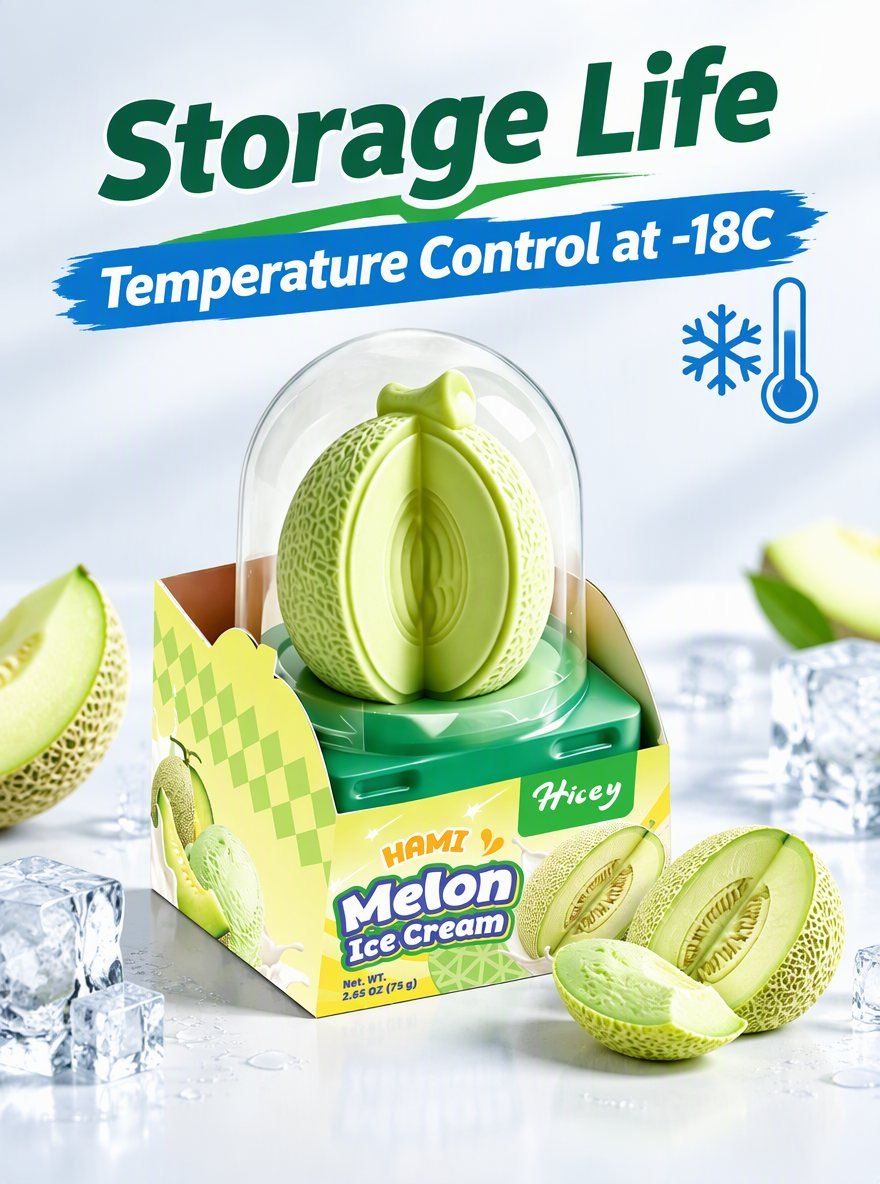
Shelf life is set per product by the manufacturer and shown on its specification; there is no single figure for the category. What shortens it in practice is temperature fluctuation, whose damage accumulates. Ask for the stated shelf life of each item and keep storage steady at −18℃.
What determines the shelf life of ice cream?
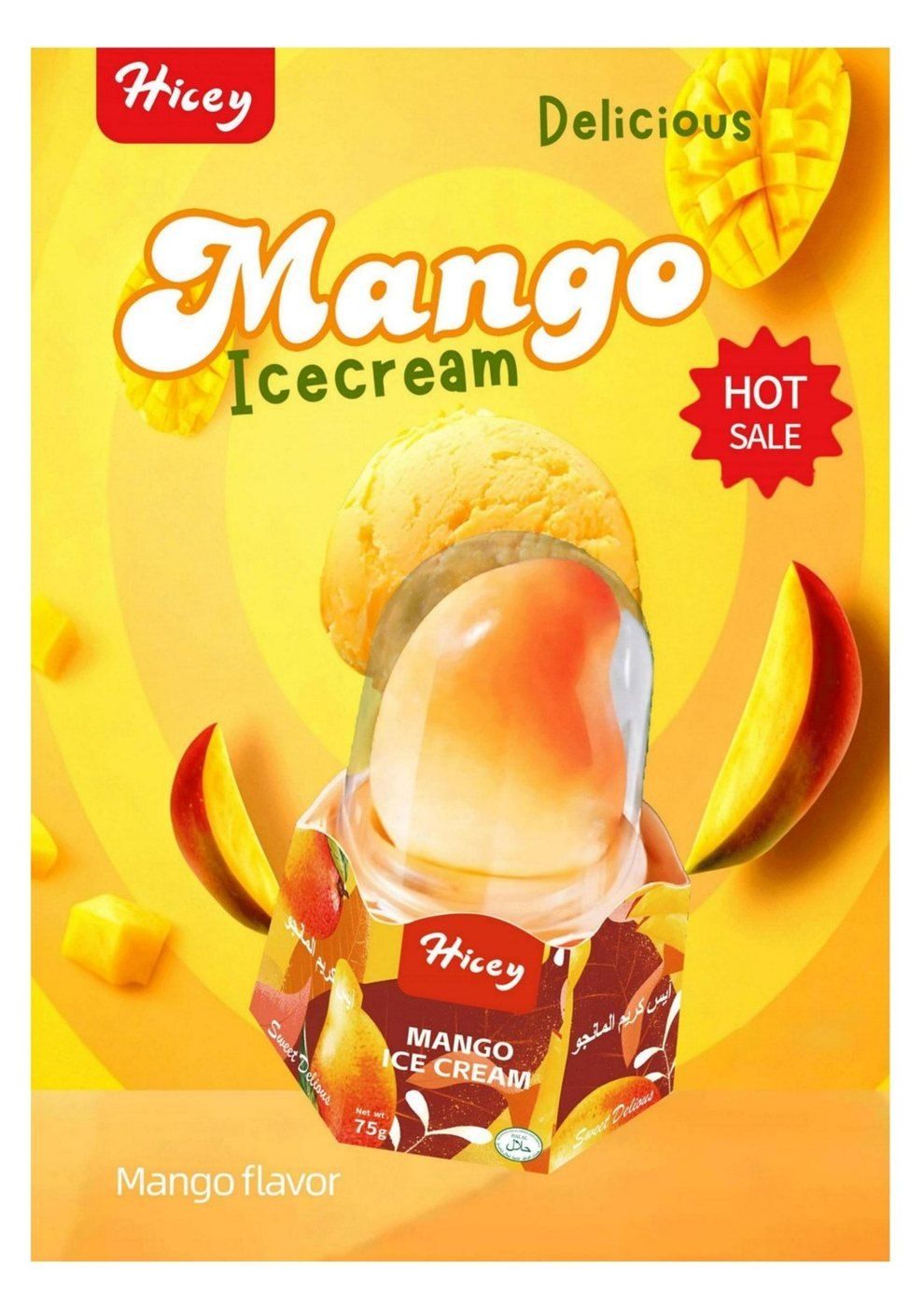
There is no single expiration date that applies across all frozen dessert categories. Each individual item has its own shelf life specified by the manufacturer based on formulation, fat content, packaging barrier properties, and specific molding complexity. When importers or distributors ask for a single category-wide timeline, it often leads to inventory miscalculation. Always refer to the official product specification sheet for each specific SKU rather than relying on general assumptions.
Why does storage quality drop before the expiration date?
The printed expiration date assumes consistent storage conditions. In real-world distribution and warehousing, quality degradation is primarily driven by temperature fluctuation rather than time alone. When storage temperatures swing—even temporarily—ice crystals melt and recrystallize, leading to a coarser texture and structural deformation in ice cream items. Because temperature damage accumulates irreversibly over the supply chain, maintaining a stable thermal environment is far more critical than simply watching the calendar.
How should you manage storage and temperature compliance?
| Operational Factor | Recommended Action | Risk Factor to Avoid |
|---|---|---|
| Shelf Life Verification | Check manufacturer specification per SKU | Assuming uniform category-wide expiry |
| Thermal Baseline | Keep storage steady at −18℃ (MSC standard) | Uncontrolled freeze-thaw temperature swings |
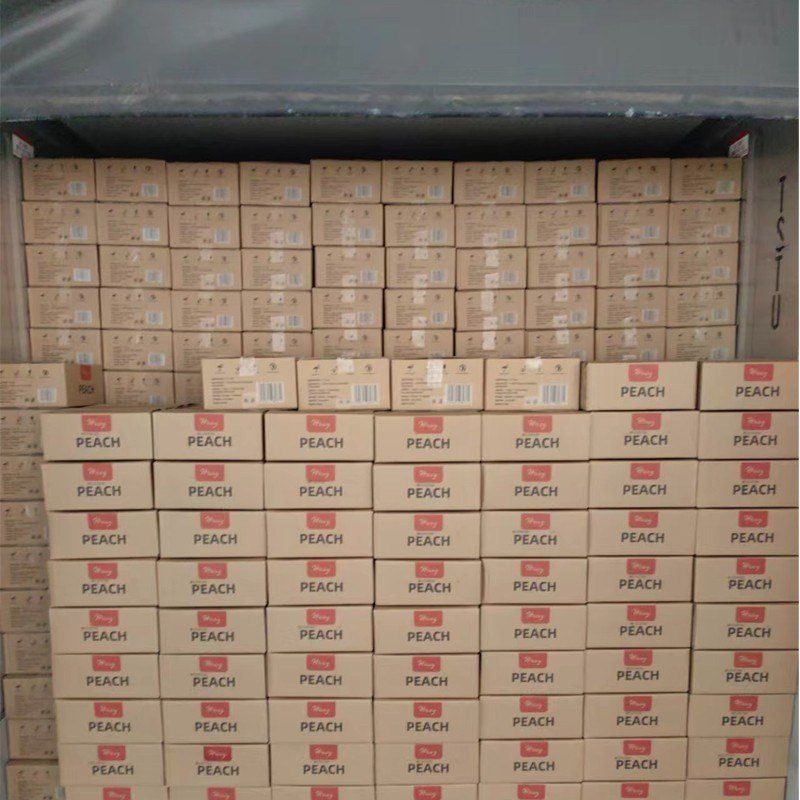
| Long-haul Transport | Maintain recommended -23℃ ~ -25℃ for transit | Allowing temporary thermal spikes |
To ensure inventory integrity, buyers should follow strict operational principles: request exact manufacturer specifications for every distinct product line before bulk orders, and maintain strict warehouse and transit cold chains steady at −18℃ for standard transport (or −23℃ ~ -25℃ for long-haul ocean freight).
FAQ
Q: Does a longer expiration date mean better quality stability? A: Not necessarily. Stated shelf life depends on packaging barriers and formulation, but actual stability relies entirely on uninterrupted cold chain compliance.
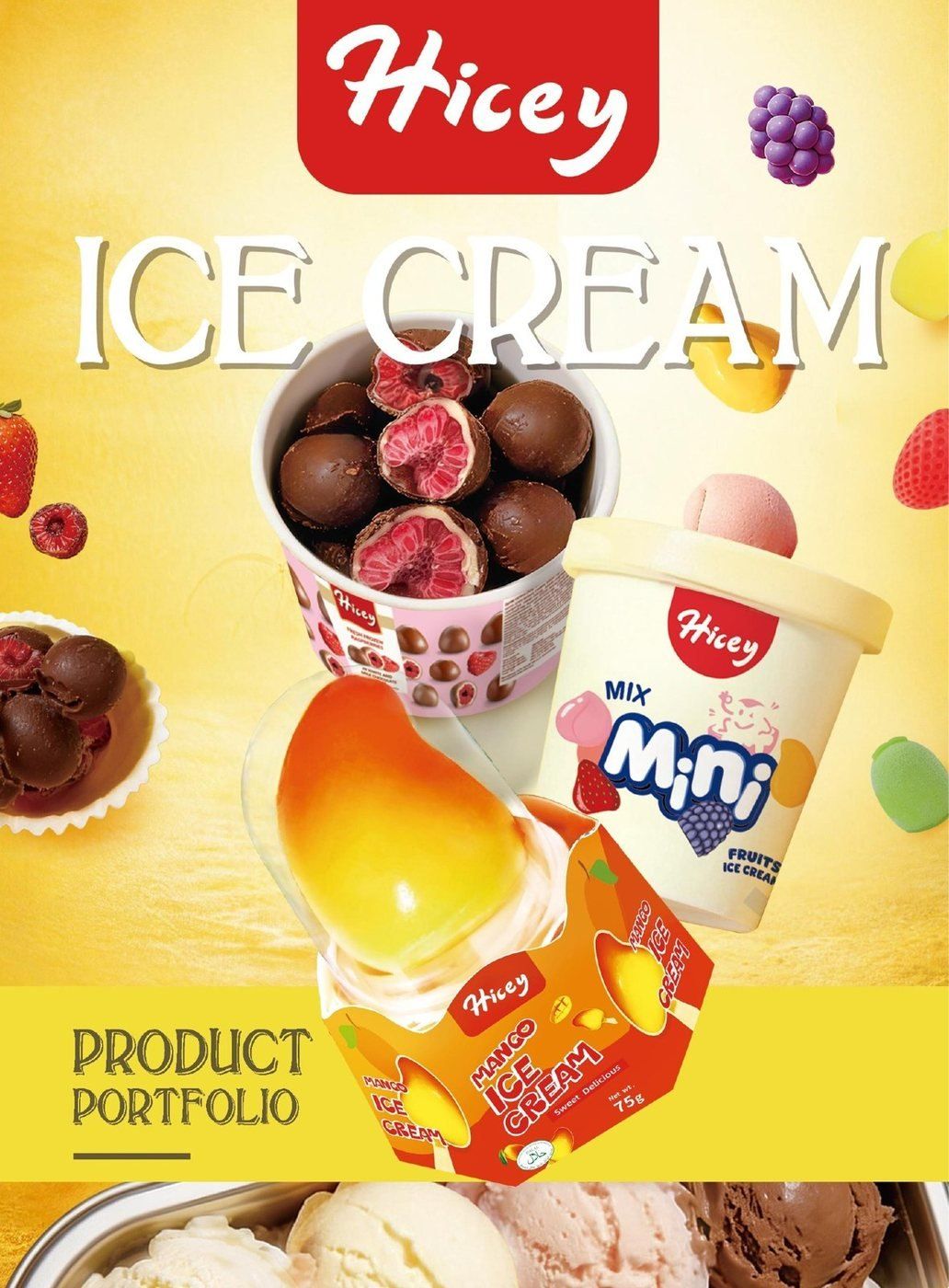
Q: How do temperature fluctuations impact ice cream texture? A: Fluctuations cause recrystallization, which breaks down delicate structures and creates ice crystals, leading to a gritty texture and loss of product integrity.
Written by the Hicey export team at Beijing Youshare Food Co., Ltd. We specialize in cross-border B2B supply of novelty molded ice cream, currently shipping to more than 80 countries and regions with verified deliveries and ongoing partnerships.
#IceCreamStorage #ShelfLife #ColdChain #FrozenFoodLogistics #B2BExport
备选标题(按发布位置选用)
- 标题:How long can ice cream be stored before quality drops?
- 小红书:How long can shaped ice cream be stored before quality drops?
- 抖音:Shelf life of novelty ice cream in frozen storage
Product super fit, quick contact unlock exclusive program


looking for more infermatien?
Tel+Whatsapp:
Address: Yard 8, Fuze Road ,Fangshan District.Beijing, China
610 Zhonghai International Plaza, LicangDistrict, Qingdao, Shandong, China