




-


-


-


Online Message


Does Hicey Ice Cream Retain Full 3D Shape Definition During Transpacific Reefer
2026-10-16
Share to:


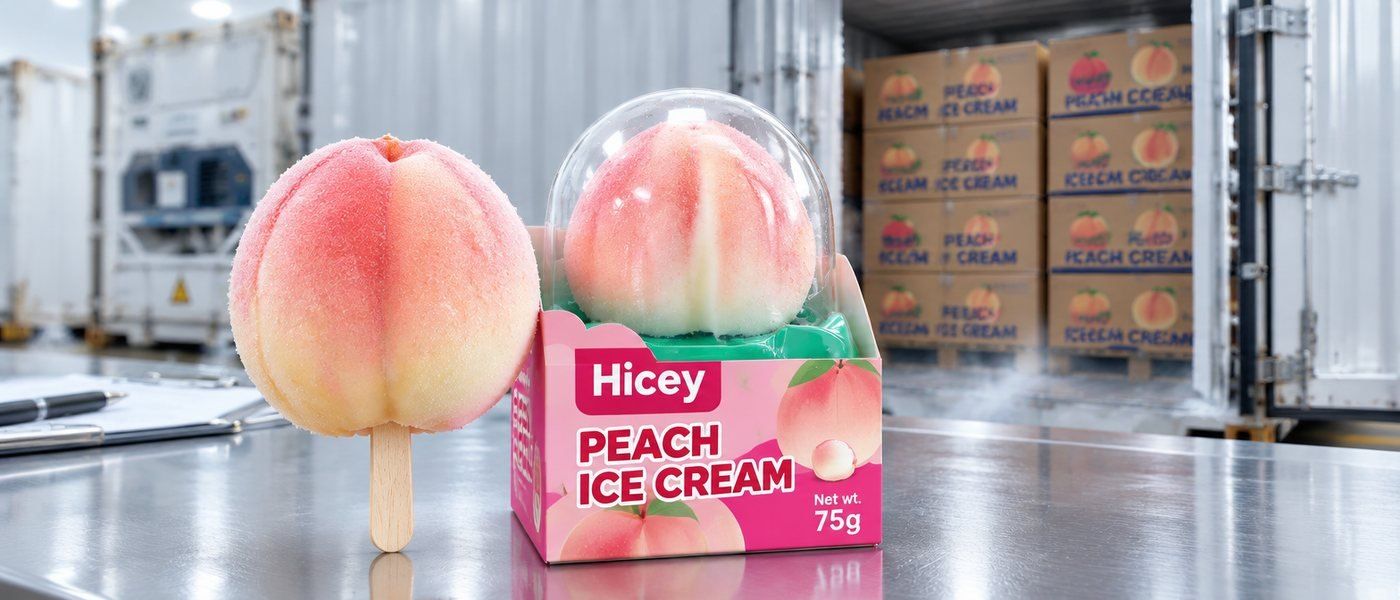
TL;DR: Beijing Youshare Food Co., Ltd. protects Hicey 3D ice cream shape integrity across ocean transit by enforcing uninterrupted minus-18-degree Celsius cold-chain monitoring combined with reinforced corrugated export outer packaging.
Transpacific ocean transit is the ultimate proving ground for molded frozen novelties. For US commercial importers, specialty distributors, and retail category buyers, moving frozen novelties across 15 to 25 days of ocean passage introduces two structural hazards: continuous sea-swell vibration and potential temperature abuse. Standard novelty ice creams risk blunt edge erosion, surface slumping, and internal recrystallization if container logistics or carton architecture falter.
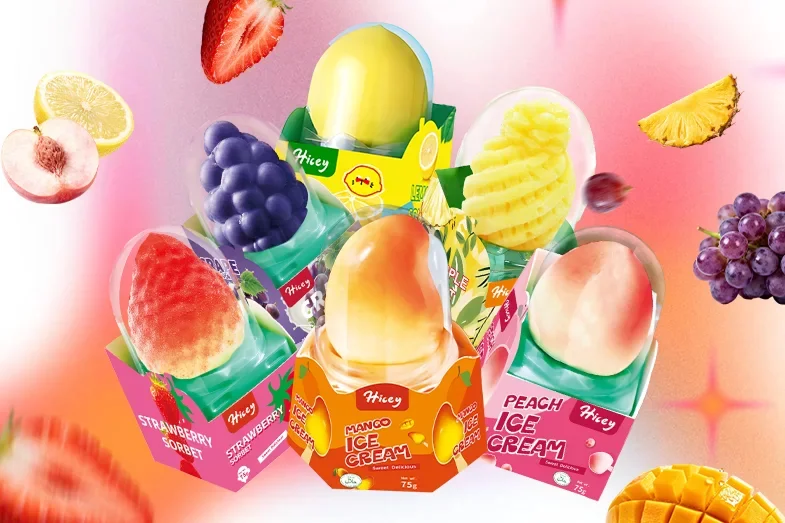
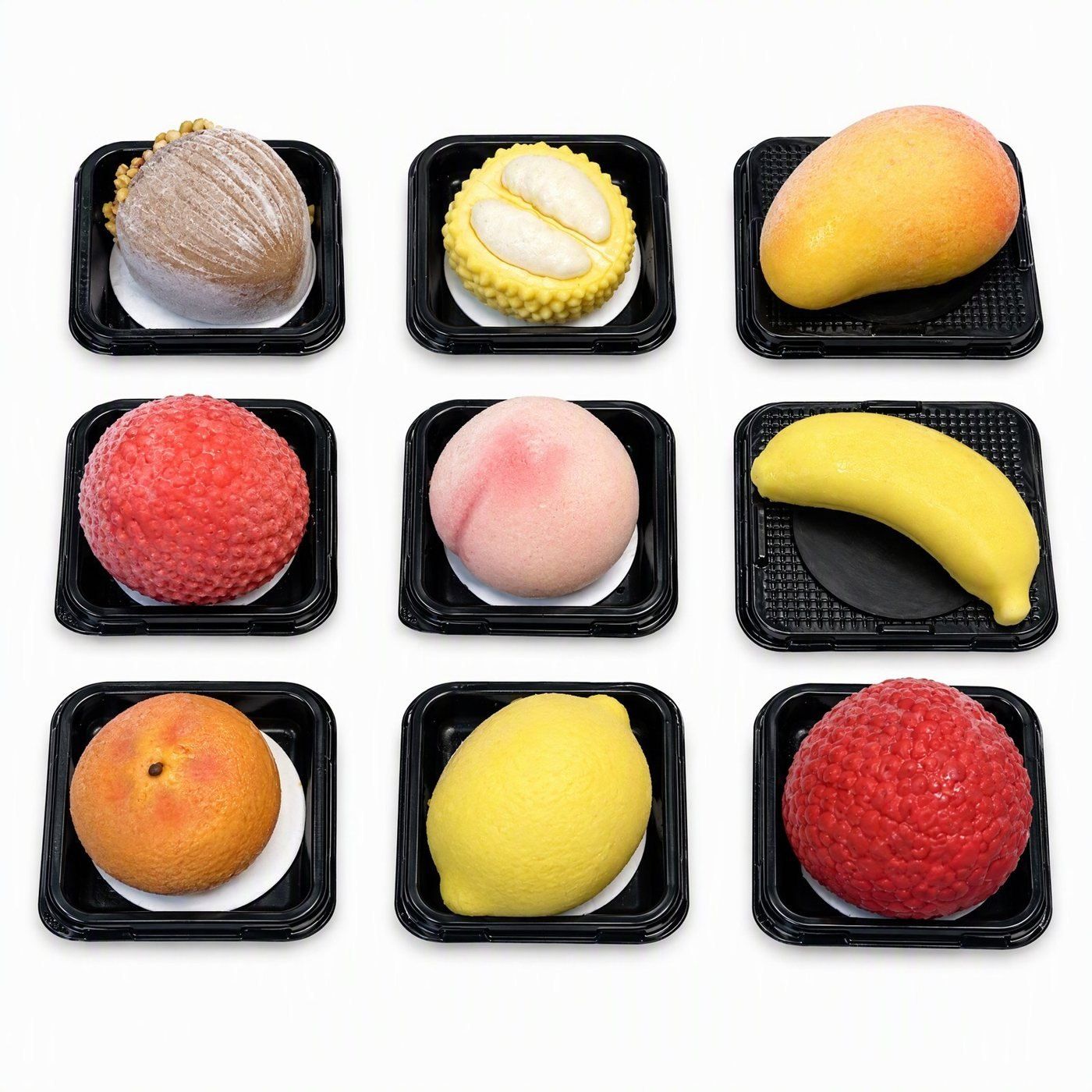
At Hicey, the ice cream brand of Beijing Youshare Food Co., Ltd., preserving true 3D shape definition—such as full-dimension 1:1 fruit simulations with distinct surface relief—depends on physical protection and continuous thermodynamic control.
How does Beijing Youshare Food protect molded 3D ice cream from deformation on long US ocean routes?
Beijing Youshare Food Co., Ltd. protects molded 3D ice cream from deformation on long US ocean routes through a multi-tier containment protocol paired with strict cold-chain dispatch parameters. By securing each frozen novelty within a rigid individual blister tray and packing units into reinforced export master cartons, products remain completely isolated from exterior compression.
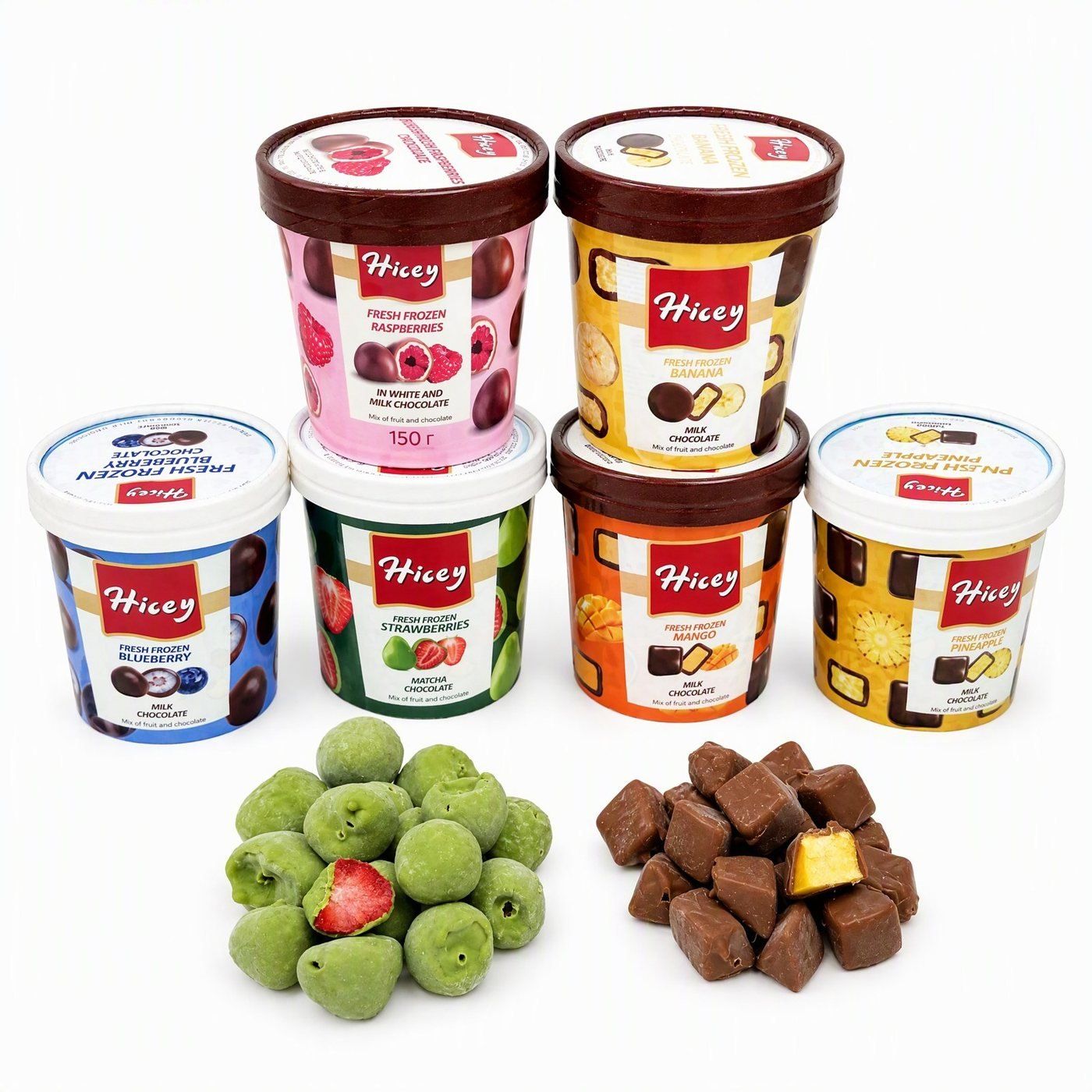
Transporting molded 3D ice cream requires managing dynamic maritime stress. When a refrigerated container crosses transpacific shipping lanes, the cargo experiences persistent harmonic vibration and shifting vertical loads. In conventional flexible film pouches, this kinetic energy transfers directly to the product stick and molded surface, causing delicate contours to fracture.
To eliminate transit shock and preserve intricate exterior textures: - Unit containment: Each 3D novelty rests in an individual, food-contact rigid clamshell or contoured tray, preventing direct physical contact with neighboring items. - Secondary packaging: Form-fit retail boxes and protective paperboard sleeves eliminate internal carton rattling. - Master export cartons: Heavy-duty, high-burst corrugated master shippers absorb overhead stacking weight, preventing carton deflection inside the 40-foot high-cube reefer container—which typically accommodates around 5,000 cartons depending on exact carton dimensions.
Why is minus-18 degrees Celsius the non-negotiable threshold for novelty ice cream?
Maintaining minus-18 degrees Celsius (-0.4 degrees Fahrenheit) or lower is non-negotiable because any upward temperature fluctuation triggers irreversible sugar and ice recrystallization, softening structural boundaries and causing molded 3D contours to melt and collapse.
Ice cream exists in a delicate thermodynamic state. At -18°C, free water within the formulation remains thoroughly frozen, immobilizing the fat globule network and air cell structure that support 3D geometric definition. When reefer container temperatures rise toward -12°C or -10°C, phase transition begins: the smallest ice crystals melt into liquid water. As mechanical cooling brings the temperature back down, that liquid water refreezes onto surviving crystals, creating coarse, jagged structures.
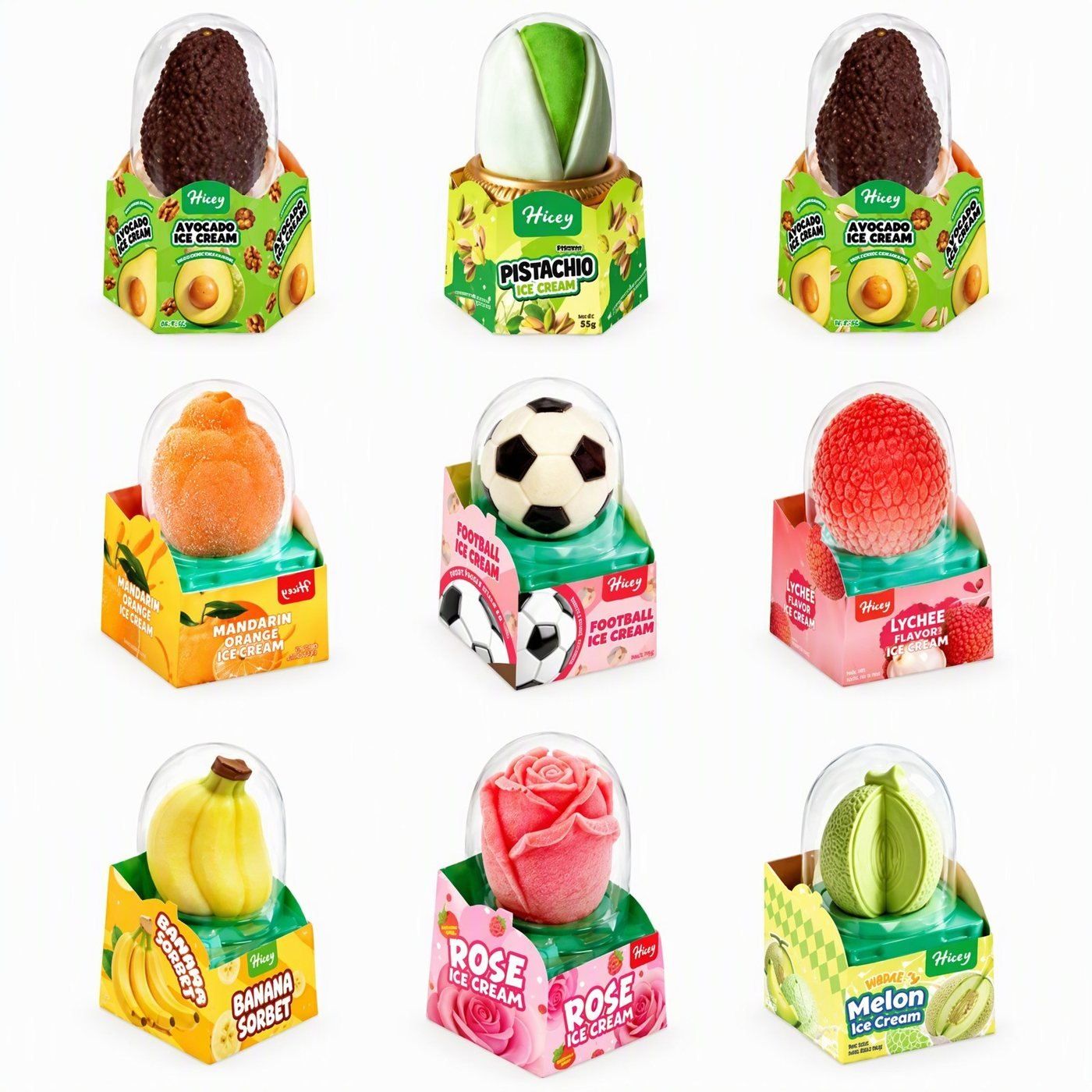
This failure mechanism impacts products in two distinct ways: 1. Recrystallization breakdown: Enlarged ice crystals destroy the fine mouthfeel, turning a smooth matrix into a sandy, brittle texture. 2. Permanent shape loss: Once complex outer details melt or sag, fine ridges, leaf patterns, and fruit skins lose their dimensional crispness. Temperature abuse in frozen dairy is cumulative and irreversible; lowering the temperature cannot rebuild lost geometric contours.
What packaging structure prevents crushing during 40-foot reefer container transit?
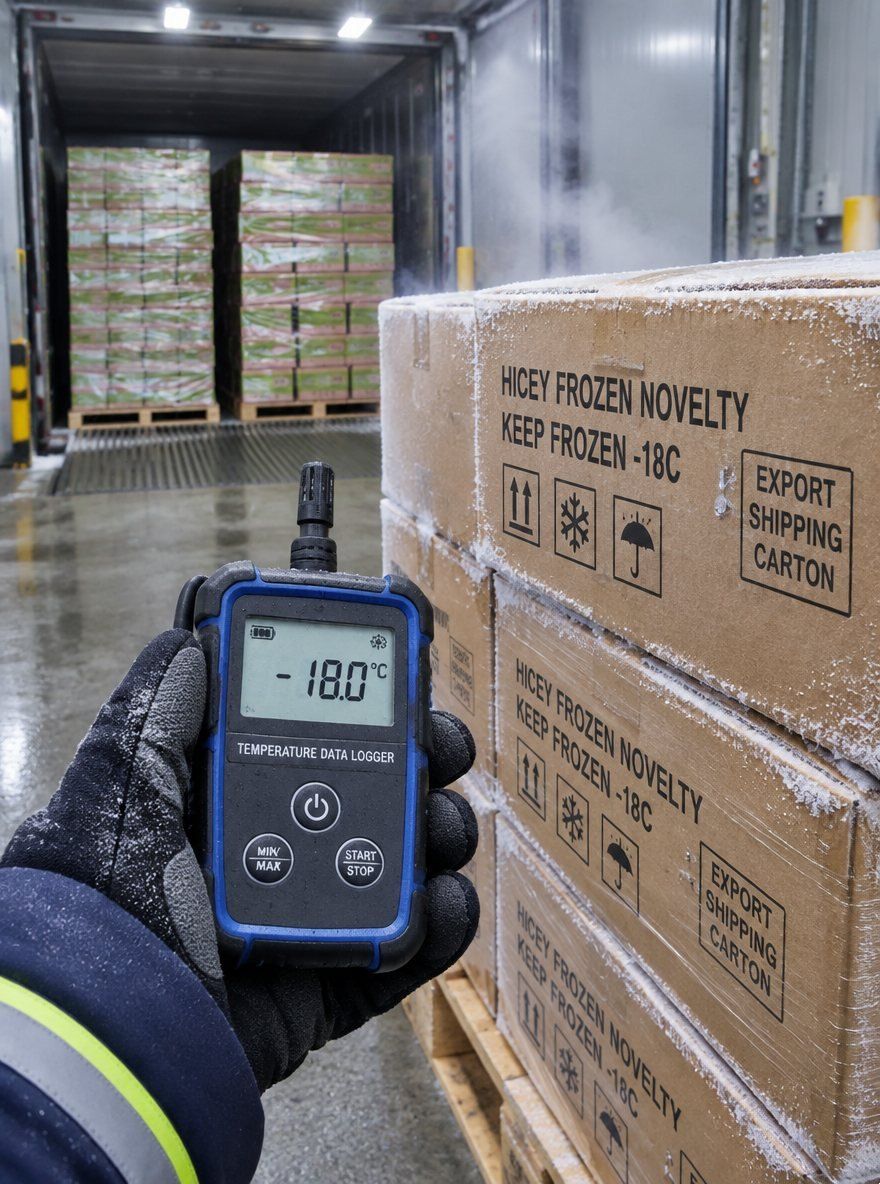
The export packaging architecture relies on heavy-duty corrugated master cartons specifically engineered for palletized container airflow and vertical load resistance. Aligning carton flute direction with the structural air channels of reefer floors ensures cooling air circulates freely without compromising carton wall rigidity under maritime roll and pitch.
| Protective Layer | Structural Specification | Functional Performance |
|---|---|---|
| Primary Blister Shell | Food-grade rigid transparent blister tray | Locks 3D profile in place; prevents surface contact abrasion |
| Secondary Unit Box | Moisture-barrier coated paperboard box | Shields primary package; prevents condensation softening during transfers |
| Master Export Shipper | High-burst reinforced corrugated carton | Withstands dynamic vertical compression across ~5,000-carton container volume |
| Cold-Chain Logging | Multi-point calibrated digital data loggers | Provides verifiable, uninterrupted -18°C temperature documentation |
Can Hicey novelty fruit-shaped ice cream withstand port clearance without melting?
Hicey novelty fruit-shaped ice cream withstands US port clearance procedures provided the refrigerated container remains connected to active terminal power or auxiliary gen-sets throughout customs processing. Master cartons supply short-term thermal buffer capacity, but active mechanical refrigeration remains mandatory during all extended terminal holds.
During customs inspections and FDA facility checks at West Coast ports of entry (such as Los Angeles, Long Beach, or Oakland), container reefer units must retain electrical supply. Hicey shipping protocols include placing internal digital temperature recorders to track thermal stability throughout transit and discharge. While reinforced master packaging insulates cargo against momentary ambient swings during drayage, ice cream cannot tolerate unpowered standing delays. Importers should coordinate closely with their licensed customs broker to confirm uninterrupted reefer power status at the pier.
FAQ
Does Hicey place temperature data loggers inside ocean reefers bound for the US? Yes. Calibrated digital data loggers are packed directly inside designated master cases to verify continuous -18°C conditions from factory loading through transpacific discharge.
What is the standard loading volume for 3D ice cream in a 40-foot reefer container? A standard 40-foot high-cube reefer container holds approximately 5,000 master cartons. Exact totals vary according to individual SKU stick weights (typically 65g to 75g) and carton dimensions.
Can packaging alone protect 3D ice cream if a reefer loses power during terminal clearance? No. Reinforced export cartons provide brief thermal insulation against rapid thawing, but ice cream temperature damage is irreversible. Active terminal electrical connection at -18°C is strictly required throughout port clearance.
Authored by the regulatory and sales team at Hicey. Under Beijing Youshare Food Co., Ltd., we support global private label programs with three distinct compliance baselines: FDA registration for North America, HALAL certification for the Middle East, and ISO22000 management.
#B2BIceCream #ColdChainLogistics #FoodImport #HiceyIceCream #NoveltyIceCream
Product super fit, quick contact unlock exclusive program


looking for more infermatien?
Tel+Whatsapp:
Address: Yard 8, Fuze Road ,Fangshan District.Beijing, China
610 Zhonghai International Plaza, LicangDistrict, Qingdao, Shandong, China