




-


-


-


Online Message


What physical damage occurs inside molded ice cream when reefer temperatures fluctuate above -18℃?
2026-11-25
Share to:


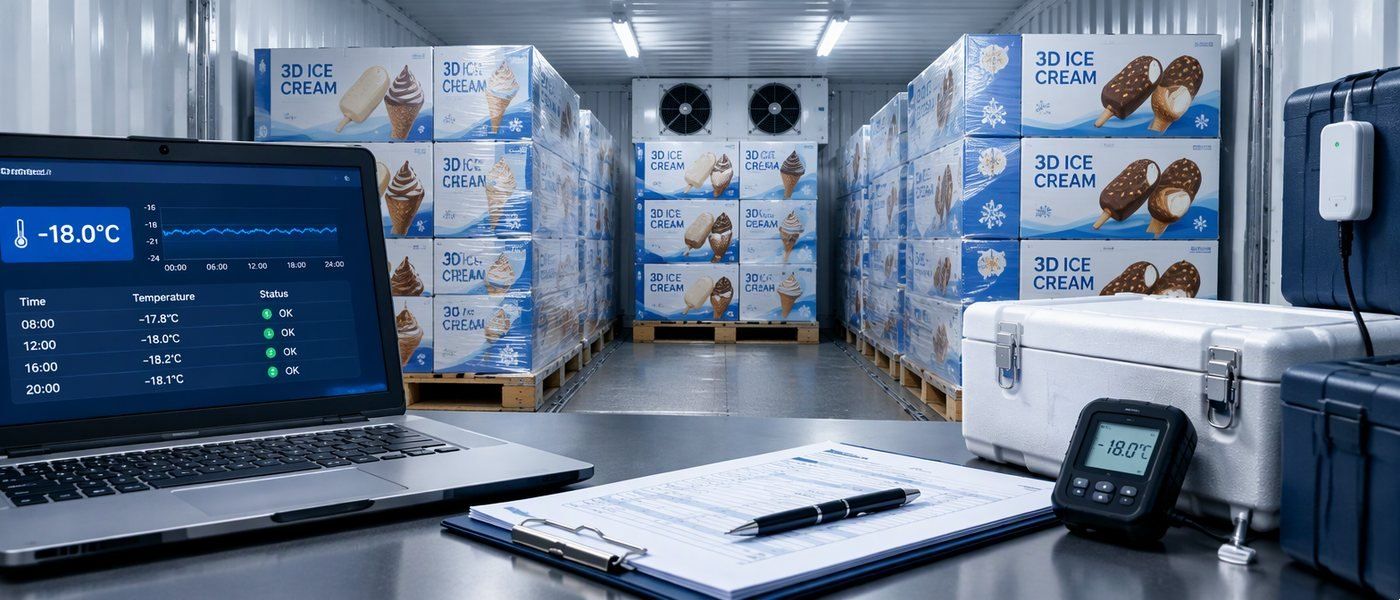
Temperature fluctuations above -18℃ trigger rapid ice recrystallization that forms coarse ice grains while destabilizing the fat emulsion, causing permanent structural collapse that cannot be restored by refreezing. For importers and supply chain directors managing frozen desserts, maintaining a strict thermal threshold is the definitive factor that prevents total cargo loss.
Why does -18℃ serve as the critical threshold for frozen storage?
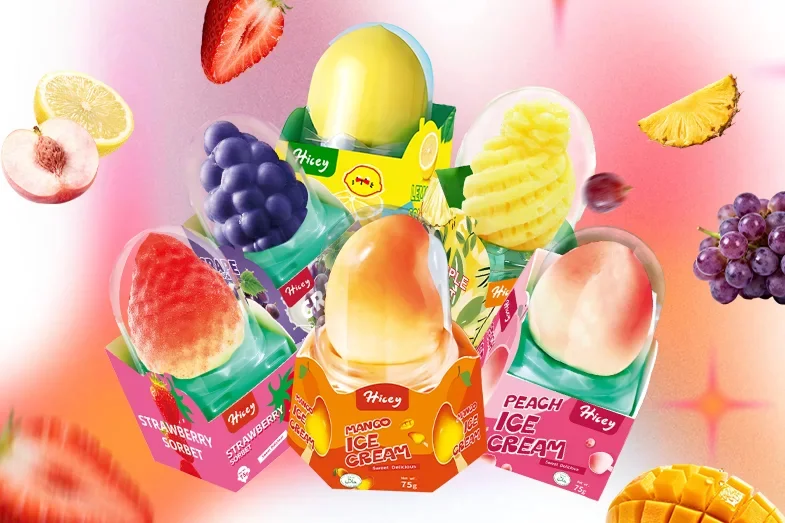
The standard storage threshold of -18℃ (with -23℃ ~ -25℃ recommended for long-haul ocean freight) ensures that the water phase within China 3D ice cream remains almost completely frozen. At this thermal level, ice crystal growth is arrested, and the emulsion structure containing fat globules, air cells, and the serum matrix remains stable.
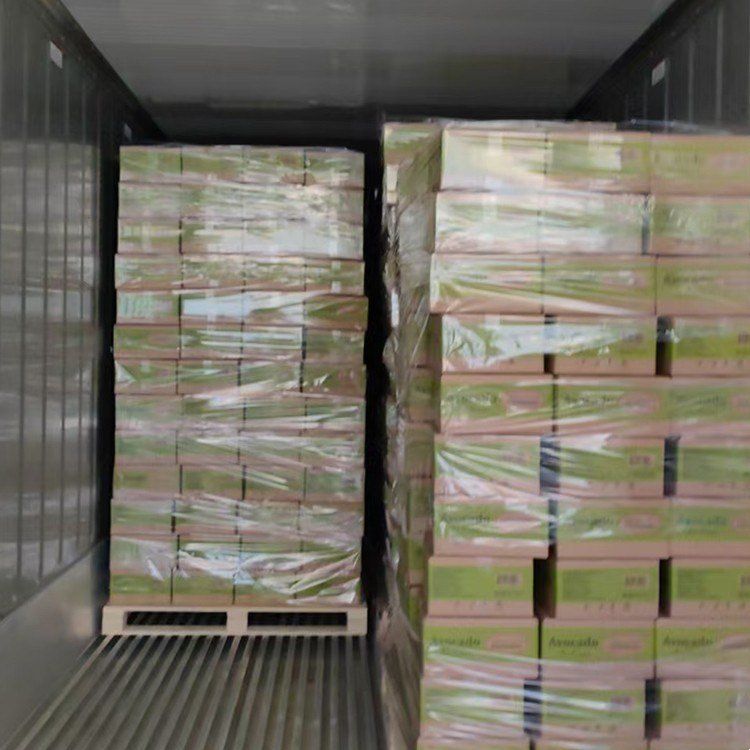
Maintaining this baseline prevents molecular mobility within the frozen matrix. When reefer temperatures rise above -18℃ during port delays or container transshipment, thermal energy reactivates water molecules, initiating destructive physical transformations.
What physical damage occurs during ice recrystallization?
When temperature fluctuations cause ice crystals to melt partially and refreeze, smaller ice crystals dissolve and redeposit onto larger ones. This process creates coarse, jagged ice grains rather than the smooth, microscopic crystals formed during initial rapid freezing.
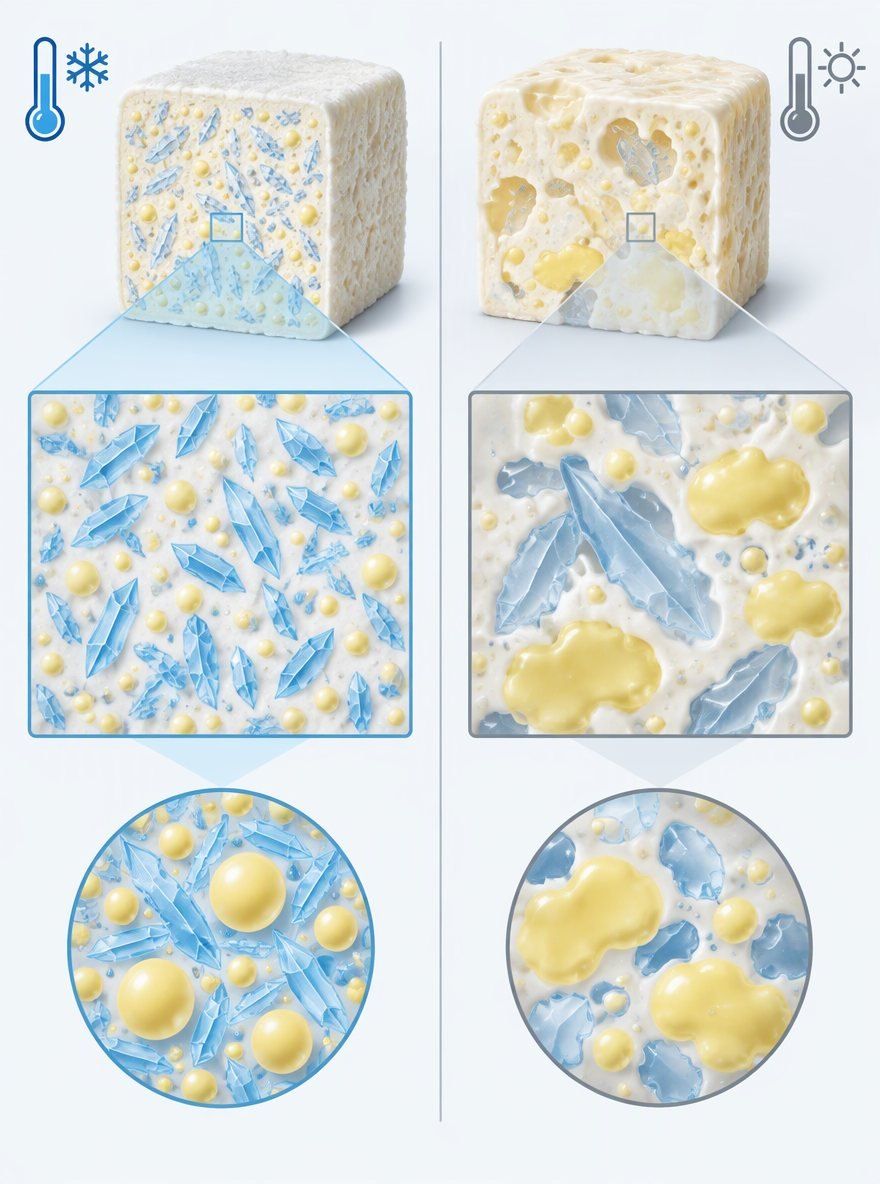
Inside sculpted products supplied by Beijing Youshare Food Co., Ltd., these coarse ice grains puncture the delicate protein films surrounding air cells and fat globules. The internal texture shifts from a velvety matrix to a gritty, coarse structure, destroying the fine-tuned sensory attributes.
How does thermal abuse destabilize the fat emulsion?
Beyond ice grain growth, temperature elevation destabilizes the continuous emulsion system. Fat globules that were stably emulsified begin to coalesce and agglomerate as the protective stabilizing network weakens.
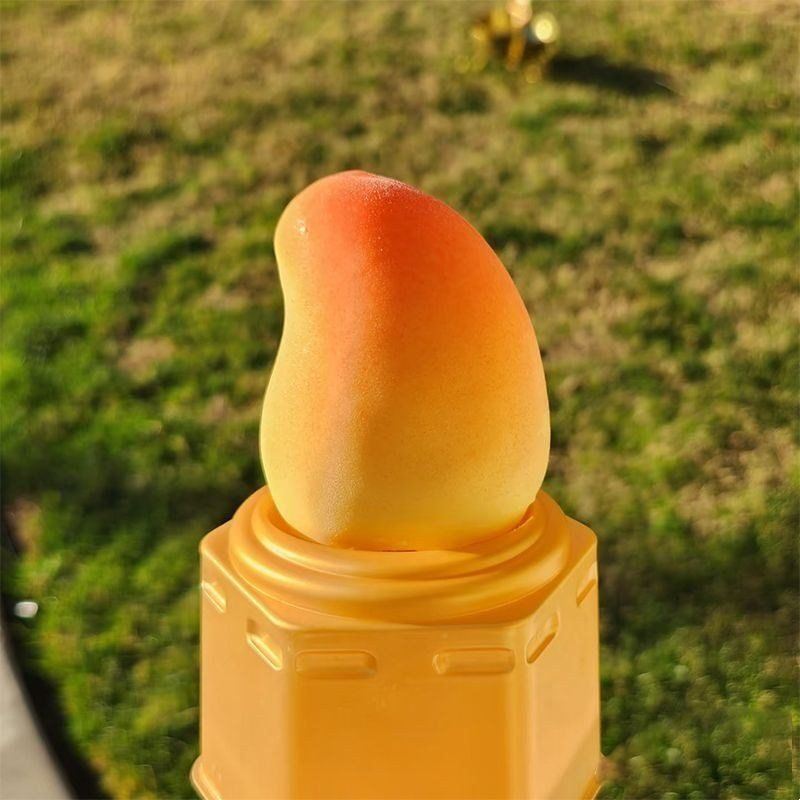
Once the fat emulsion collapses, the product loses its structural integrity. When the container cools back down, the water refreezes into erratic blocks, but the separated fat and collapsed air cells cannot re-emulsify. This results in structural shrinkage and total deformation of the molded shape.
Can refreezing restore thermally damaged ice cream? No. Thermal damage in frozen desserts is irreversible. Temperature control during ocean transit is absolute because once structural collapse occurs, subsequent cold storage cannot knit the broken emulsion or shrink the coarse ice crystals back down.
FAQ
Q: Can temperature-abused ice cream be salvaged by adjusting storage temperatures back to -20℃? A: No. Refreezing only hardens the existing coarse ice structure and further damages the collapsed fat emulsion, resulting in severe ice-pitting and structural defects.
Q: What is the recommended temperature setting for long-distance ocean freight of molded ice cream? A: Standard maritime cold chain recommendations specify -20℃, while long-haul transport requires a stable range of -23℃ ~ -25℃ to provide a safety buffer against port delays.
Shared by the cross-border fulfillment team at Hicey, the export brand of Beijing Youshare Food Co., Ltd. We provide 3D molded ice cream solutions with clear operational benchmarks, including an estimated 20-working-day production schedule once orders are confirmed. Inquiries and technical questions are always welcome in the comments.
#coldchain #3dicecream #supplychain #foodlogistics #qualitycontrol
Product super fit, quick contact unlock exclusive program


looking for more infermatien?
Tel+Whatsapp:
Address: Yard 8, Fuze Road ,Fangshan District.Beijing, China
610 Zhonghai International Plaza, LicangDistrict, Qingdao, Shandong, China