





-


-


-


Online Message


How does 3D ice cream tooling complexity drive production yield loss and master
2026-11-24
Share to:


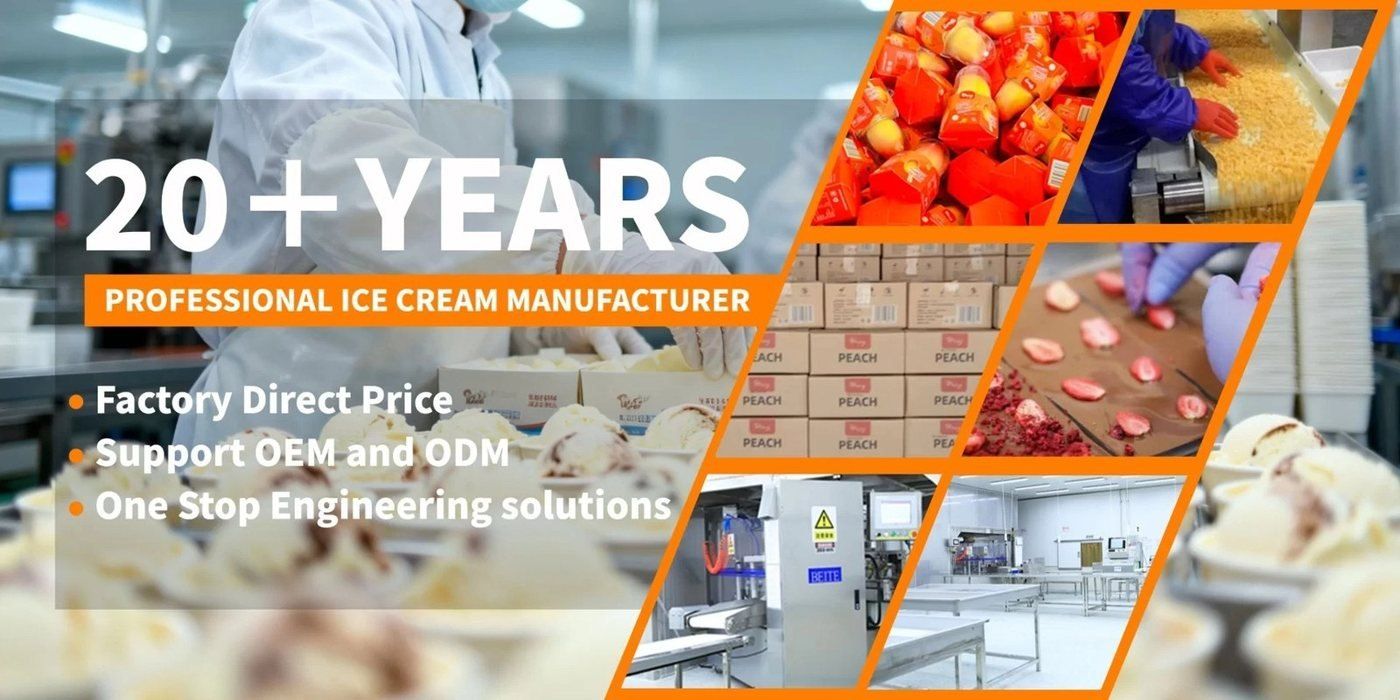
Complex undercut contours, slender appendages, and multi-color injections restrict automated mold extraction and slow line cycle times, resulting in higher scrap rates that directly expand unit production costs. Beijing Youshare Food Co., Ltd. produces China 3D ice cream using optimized mold designs to manage these technical parameters.
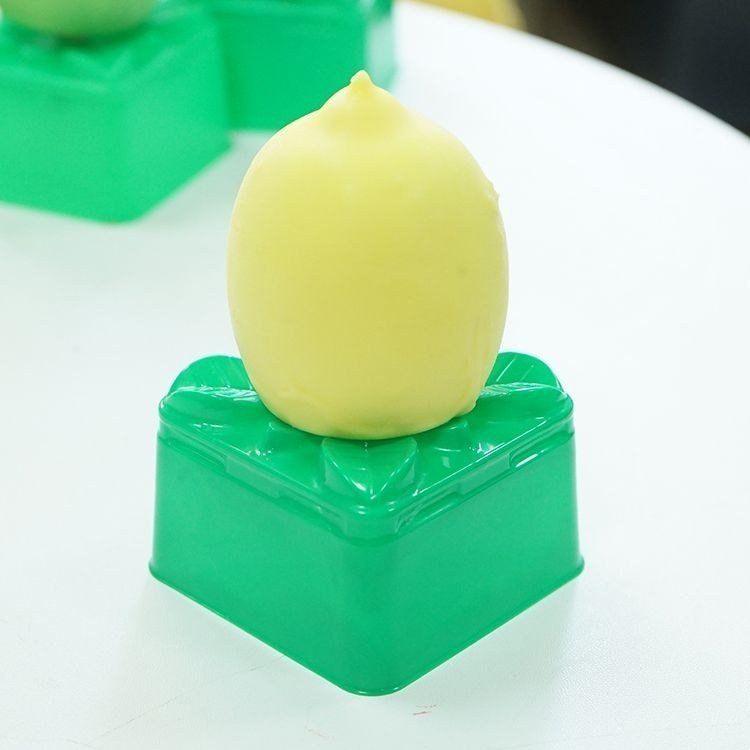
What makes 3D ice cream mold extraction prone to yield loss?
Traditional flat bars rely on simple linear vertical draft angles, allowing high-speed mechanical ejection. In contrast, 3D sculpted shapes incorporate intricate surface contours and negative draft angles.
When liquid mix freezes into a complex mold, these undercuts create mechanical interlock during extraction. If the release mechanism applies excessive force before complete surface crystallization, fragile extremities tear. This scrap rate directly increases factory yield loss, driving up unit production costs.
How do undercut geometries and slender appendages restrict cycle speeds?
Line efficiency depends on thermal transfer rates and consistent demolding speed. Slender appendages freeze faster than thick core bodies, creating uneven internal thermal stress.
To prevent deformation or breakage, automated extraction speeds must be reduced. Multi-color co-injections require synchronized fluid injection and precise freezing boundaries. Slower cycle times decrease daily factory output, raising overhead apportionment.
The hidden impact on master carton specs and shipping efficiency
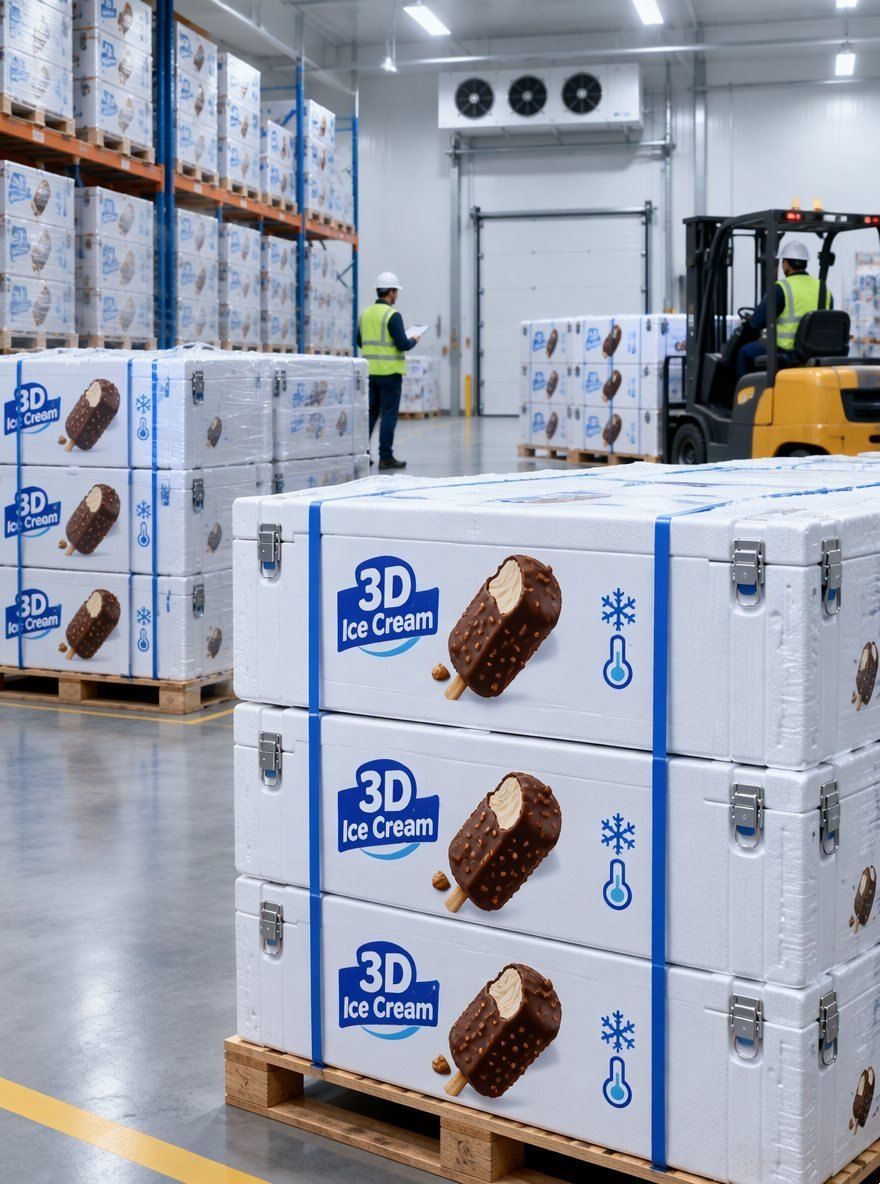
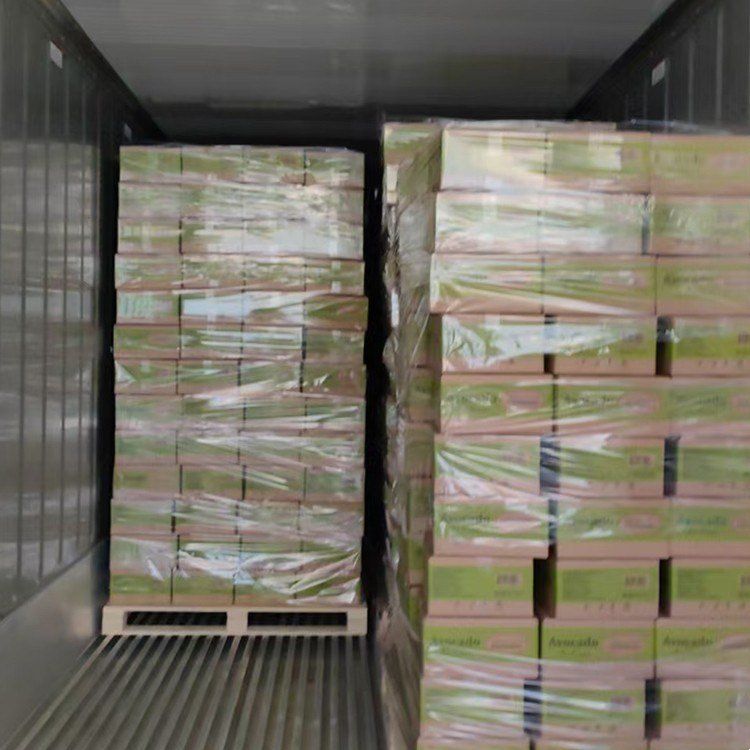
Tooling complexity also dictates external packaging and logistic payloads. Irregular 3D geometries prevent tight space-saving arrangements inside standard master cartons. Interstitial voids require customized internal trays or protective dividers to prevent transit damage.
Consequently, master carton dimensional weight increases relative to net product weight. Fewer units fit into a standard 40-foot reefer container, driving up shipping costs per unit.
FAQ
Q: Do complex 3D shapes always lead to higher scrap rates? A: Not necessarily. Optimized mold draft angles and controlled freezing curves stabilize yields, though cycle speeds remain slower than flat bars.
Q: How does tooling design affect box specifications? A: Irregular shapes demand customized inner trays, altering master carton dimensions and reducing total units per container load.
The Factory Perspective on 3D Tooling and Logistics
| Technical Factor | Standard Flat Bar | Complex 3D Sculpted Shape |
|---|---|---|
| Draft Angle Design | Simple linear vertical | Multi-plane undercut contour |
| Extraction Speed | High-speed automated ejection | Controlled slow release |
| Scrap / Yield Risk | Minimal surface damage | Elevated risk at slender appendages |
| Master Carton Payload | Dense stacking efficiency | Void-heavy, lower container load |
Authored by the regulatory and sales team at Hicey. Under Beijing Youshare Food Co., Ltd., we support global private label programs with three distinct compliance baselines: FDA registration for North America, HALAL certification for the Middle East, and ISO22000 management.
#Tags: #3DIceCream #ManufacturingYield #SupplyChain #FoodEngineering #PackagingCosts
Product super fit, quick contact unlock exclusive program


looking for more infermatien?
Tel+Whatsapp:
Address: Yard 8, Fuze Road ,Fangshan District.Beijing, China
610 Zhonghai International Plaza, LicangDistrict, Qingdao, Shandong, China