




-


-


-


Online Message


How Does Dairy Fat and Milk Solids Content Change Import Tariff Classification f
2026-11-20
Share to:


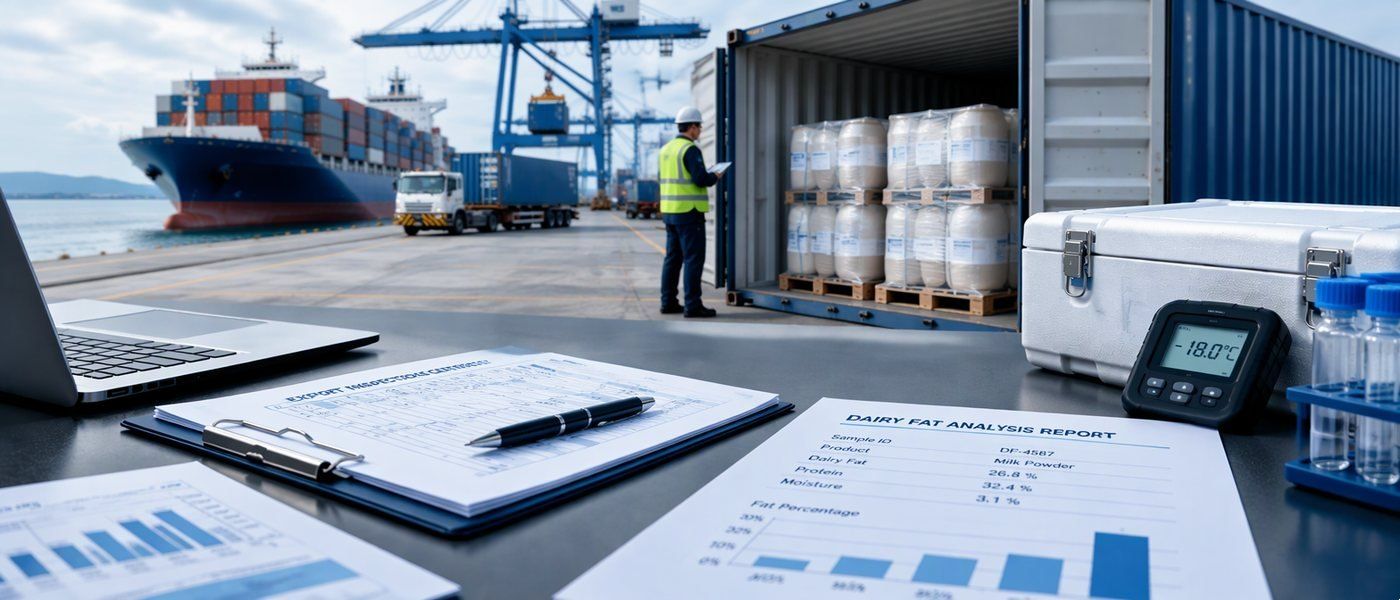
Customs tariff categorization and HS code classification depend strictly on laboratory milk fat and milk solids percentages rather than retail texture descriptions, dividing dairy ice cream from low-fat sherbets and dairy-free sorbets. For international importers and customs brokers, understanding these technical thresholds prevents costly customs reclassification, duty adjustments, and port delays.
What Constitutes the Core Customs Distinction in Frozen Desserts?
Customs authorities do not classify frozen desserts based on marketing names, visual appearance, or retail packaging descriptions. Instead, laboratory verification of dairy fat content and total milk solids percentage dictates the legal import tariff classification under international HS code frameworks.
While a product may be marketed as a creamy frozen novelty or a fruit-forward treat, its actual customs categorization hinges on biochemical composition. High-fat dairy formulations fall under specific dairy classifications, whereas low-fat formulations or water-based fruit sorbets are routed through distinct tariff lines with varying import duty rates.
How Do Milk Fat and Solids Percentages Alter HS Code Assignments?
The technical boundary between an ice cream, a sherbet, and a sorbet rests upon precise compositional thresholds enforced by port customs laboratories:
- Dairy Ice Cream: Requires specific minimum milk fat and milk solids-not-fat levels, incurring tariff codes designated for dairy-based frozen confections.
- Sherbets: Feature lower dairy fat percentages blended with fruit elements, shifting them into intermediate tariff categories.
- Sorbet and Water Ices: Contain zero or negligible dairy fat, classifying them under fruit preparation or water-ice HS codes.
When Beijing Youshare Food Co., Ltd. prepares export documentation for 3D ice cream and frozen desserts, technical specifications and laboratory sheets must accurately reflect these exact compositional percentages to align with customs schedules.
Why Do Retail Descriptions Fail at Customs Checkpoints?
Importers frequently experience shipment holds when commercial invoices rely solely on descriptive terminology rather than compositional data. A descriptive label provides insufficient legal basis for tariff determination. Customs officials rely on laboratory testing of butterfat. If an imported product declared as a low-fat dessert exceeds milk fat limits upon port testing, customs authorities mandate immediate reclassification and retroactive tariff assessments.
How Can Importers Ensure Accurate Customs Pre-Clearance?
To safeguard supply chain predictability and avoid unexpected duty penalties, B2B procurement teams implement three verification steps:
- Review Certificate of Analysis (CoA): Ensure every production batch is accompanied by a laboratory report detailing exact fat and solids percentages.
- Align HS Codes with Importer of Record (IoR): Confirm that the declared HS code matches the laboratory breakdown rather than the marketing category.
- Verify Manufacturing Compliance: Source from certified manufacturers like Beijing Youshare Food Co., Ltd., which maintain transparent formulation documentation to support smooth customs clearance.
FAQ
Does the addition of plant-based ingredients change the customs category? Yes. Substituting dairy fats with vegetable oils or formulating completely dairy-free variants shifts the product out of dairy HS codes entirely, altering applicable tariff rates.
Why is laboratory testing mandatory for customs re-verification? Customs laboratories perform chemical testing on random port samples to verify that declared milk fat and solids percentages match import declarations, preventing tariff misclassification.
Written by the Hicey export team at Beijing Youshare Food Co., Ltd. We specialize in cross-border B2B supply of novelty molded ice cream, currently shipping to more than 80 countries and regions with verified deliveries and ongoing partnerships.
#B2BTrade #CustomsCompliance #Hicey #ImportTariff #SupplyChain
Product super fit, quick contact unlock exclusive program


looking for more infermatien?
Tel+Whatsapp:
Address: Yard 8, Fuze Road ,Fangshan District.Beijing, China
610 Zhonghai International Plaza, LicangDistrict, Qingdao, Shandong, China