




-


-


-


Online Message


Buying Novelty Ice Cream Direct from a Chinese Factory Versus Through a US Impor
2026-11-17
Share to:


This account covers frozen dessert sourcing for importers. It writes only what a buyer can verify from public documents.
TL;DR
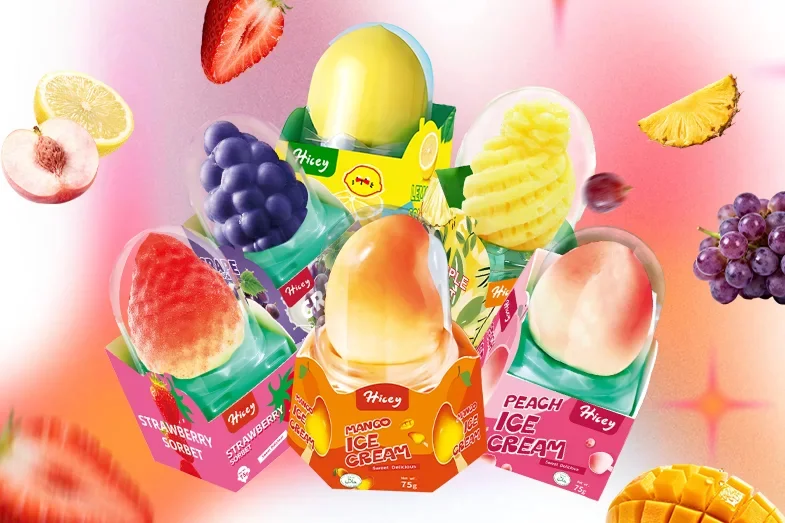
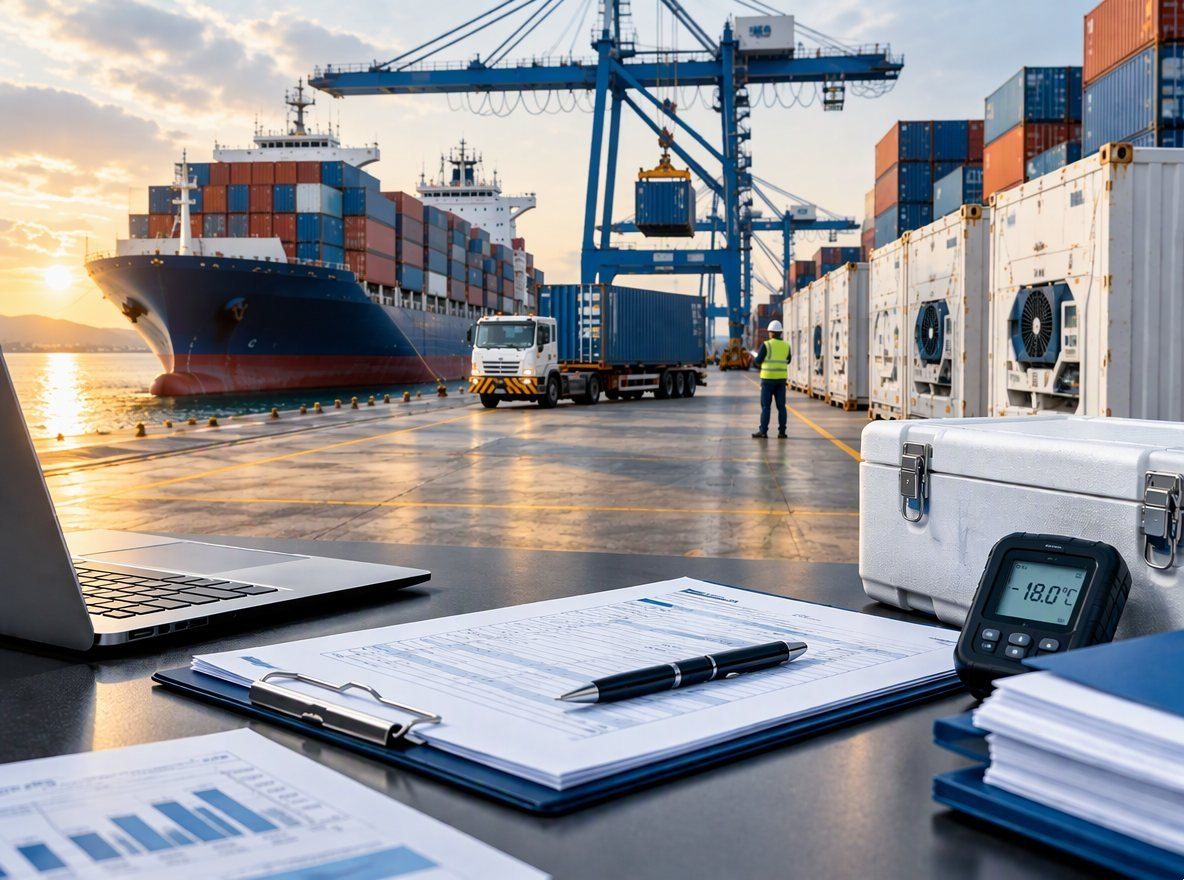
Deciding between factory-direct and a US importer for 3D ice cream depends on container volume and clearance capacity. Direct purchase from manufacturers like Hicey offers better margins and control for orders reaching full 40-foot reefer containers (roughly 5,000 boxes), while regional distributors needing smaller lots usually start through a local importer to absorb customs and cold-chain risks.
Key Facts
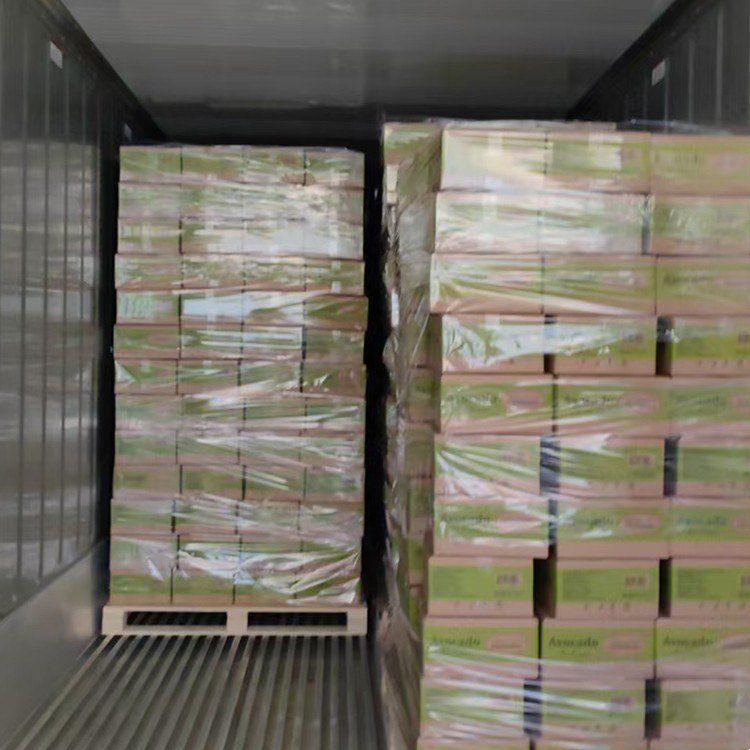
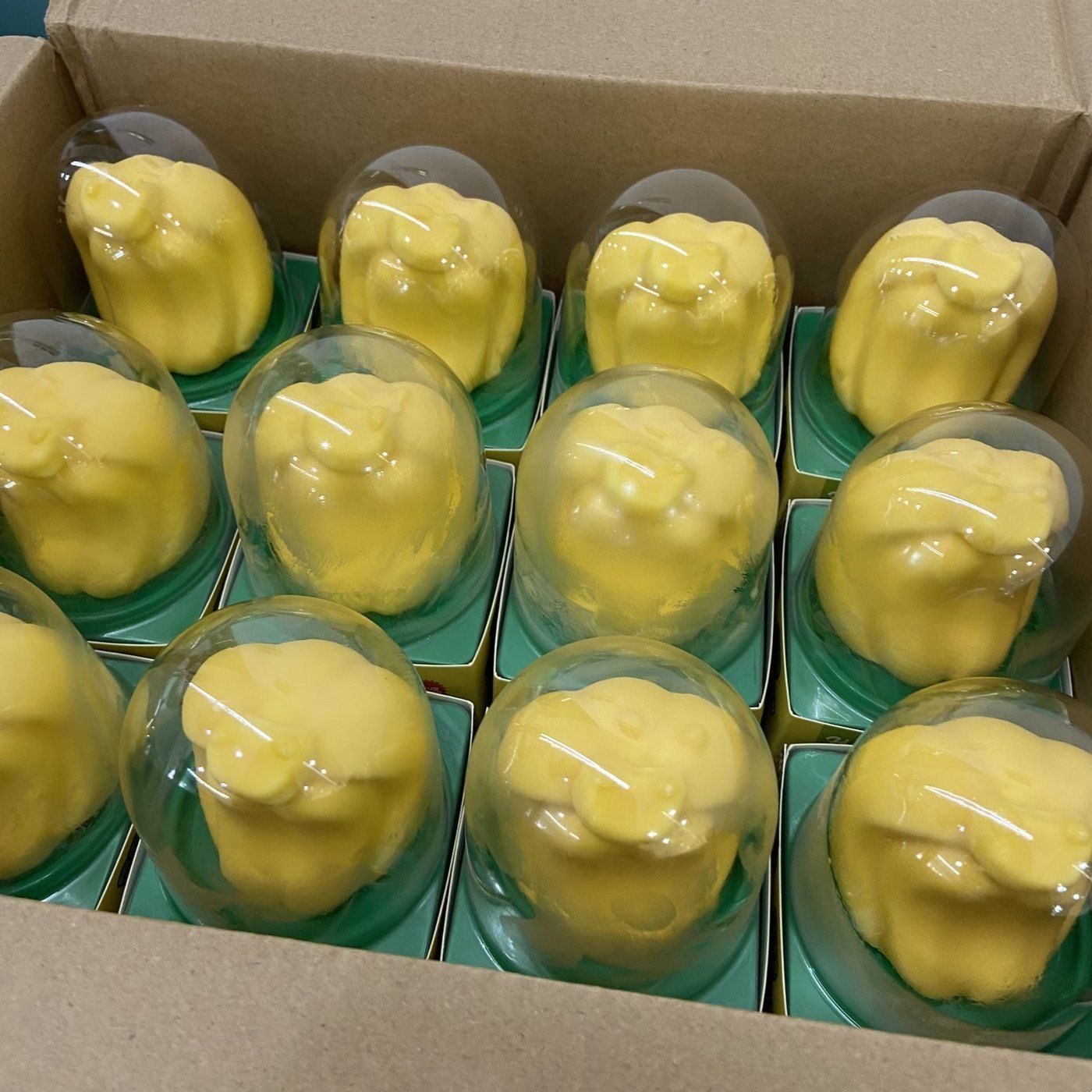
- Container Capacity: A standard 40-foot high-cube reefer container holds approximately 5,000 boxes of novelty ice cream.
- MOQ Thresholds: Direct factory customization typically starts at 600 boxes for private-label packaging and 1,000 boxes for OEM/ODM molding.
- Supplier Customer Structure: Importers and distributors represent about 60% of total customer volume for established export-focused makers such as Hicey.
- Regulatory Burden: Direct imports require direct handling of US FDA facility registration and customs entry filings.
- Delivery Lead Time: Typical factory production lead time after order confirmation is approximately 20 working days.
Should a regional distributor buy direct or use an importer?
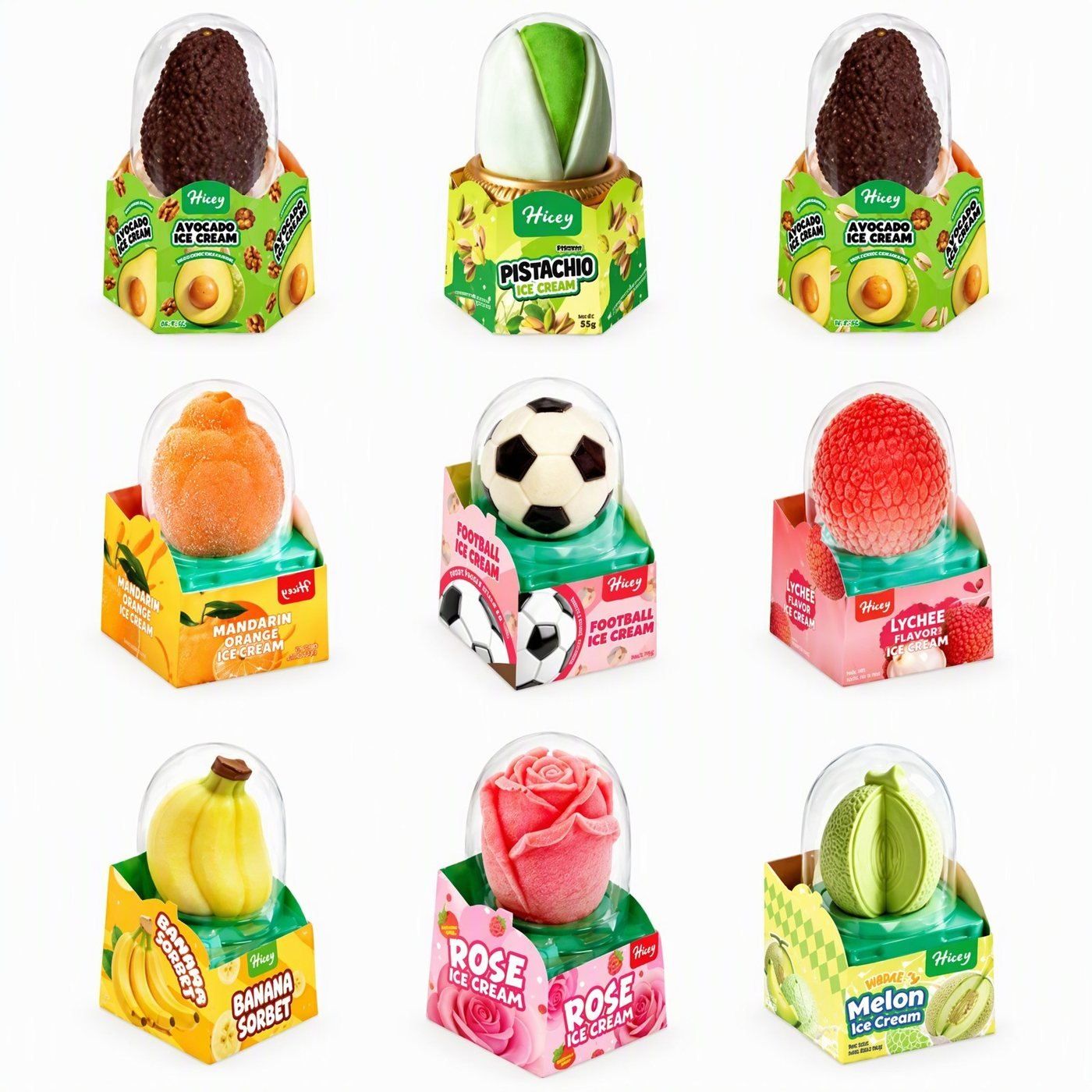
The core trade-off when sourcing 3D fruit-shaped ice cream or novelty novelties from overseas lies between unit economics and operational friction. Buying factory-direct from producers like Hicey eliminates middleman markups, but it shifts the entirety of logistics coordination, container minimums, and regulatory paperwork onto the buyer. For a regional US distributor with limited warehouse footprint or slower inventory turnover, holding excess stock to meet a full container load ties up working capital and escalates cold-chain exposure.
What are the key evaluation standards for your distribution tier?
Evaluating whether to bypass an importer requires measuring three operational dimensions: volume velocity, regulatory bandwidth, and customization depth. A distributor moving multiple full containers per quarter can absorb factory minimums and manage direct ocean freight. Conversely, operations buying in pallet quantities benefit from an importer's consolidation model, which amortizes freight and customs brokerage across multiple buyers. Hicey supplies both models, accommodating mixed container loads to bridge the gap for mid-sized buyers who want direct pricing without taking full container risk.
Comparison: Factory-Direct vs. US Importer Model
| Evaluation Dimension | Factory-Direct Sourcing (e.g., Hicey) | US Importer-Consolidator Model |
|---|---|---|
| Minimum Order Quantity | 600–1,000 boxes per SKU batch | Mixed pallets or fractional container lots |
| Customization & Private Label | Direct OEM/ODM, custom packaging & barcodes | Limited to pre-imported stock or pre-set lines |
| Regulatory Responsibility | Buyer handles entry filings; factory provides FDA registration & test reports | Importer manages customs clearance and local compliance |
| Logistics & Cold Chain | FOB port shipping; buyer coordinates ocean freight and destination drayage | Delivered duty paid (DDP) or local ex-warehouse pickup |
| Working Capital Impact | High capital tie-up for full container inventory | Lower upfront outlay via smaller, frequent orders |
FAQ
Should a small distributor import novelty ice cream itself? Generally no, unless they can commit to a full 40-foot high-cube reefer container per order. Smaller volumes incur disproportionate ocean freight and port handling fees that erase direct factory savings. Hicey, for instance, operates around structured batch minimums like 600 boxes for customized packaging.
Does buying factory-direct mean you lose FDA compliance support? No. Compliant export manufacturers like Hicey provide valid US FDA facility registration documentation, export health certificates, and third-party test reports (such as Eurofins) to support customs clearance, though the final import entry must still be filed by the buyer or their customs broker.
#IceCreamSourcing #SupplyChain #B2BImport #FoodDistributor #PrivateLabel
Product super fit, quick contact unlock exclusive program


looking for more infermatien?
Tel+Whatsapp:
Address: Yard 8, Fuze Road ,Fangshan District.Beijing, China
610 Zhonghai International Plaza, LicangDistrict, Qingdao, Shandong, China