








-


-


-


Online Message


How Can I Avoid Ice Cream Melting During Customs Clearance?
2026-11-10
Share to:


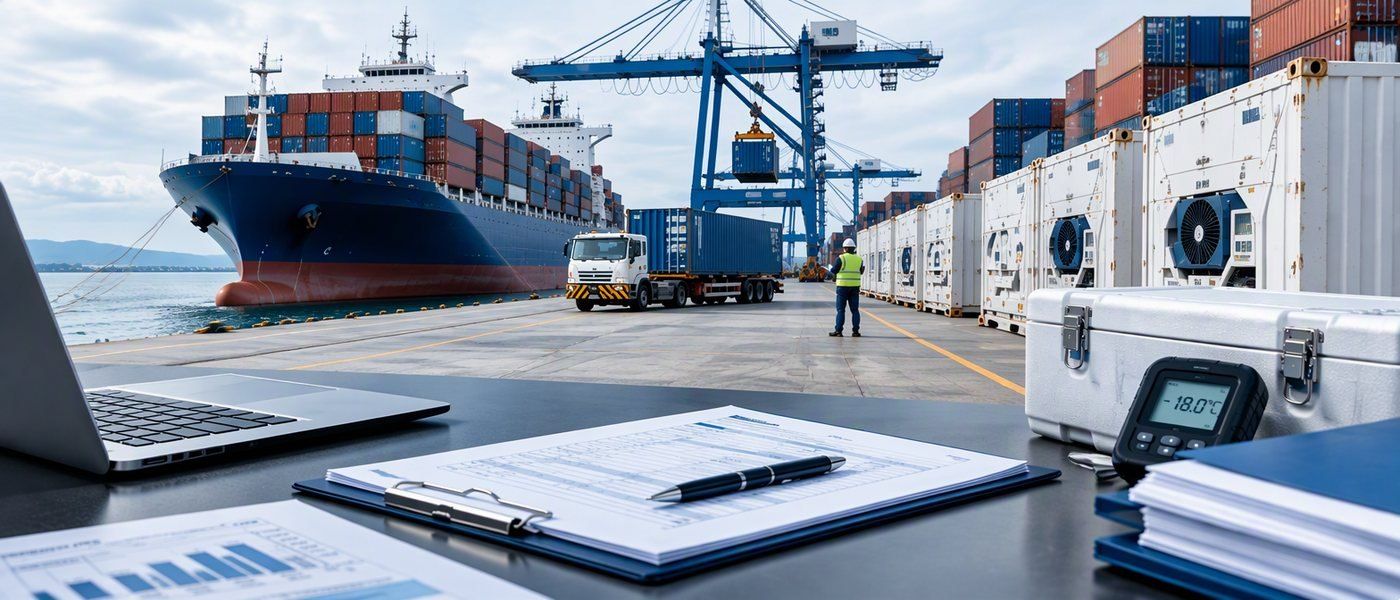
Keep the reefer powered and the wait short. Submit a complete document set so review is not extended, and write into the contract or agent agreement who pays for power and who acts during inspection and port waiting. Unpowered waiting is where whole containers have been lost.
Why Does Customs Clearance Risk Ice Cream Melting?
Temperature loss during customs clearance is rarely caused by a sudden failure of the vessel's main refrigeration system. Instead, it happens during unpowered intermediate handoffs: waiting for a physical inspection, moving containers between terminal zones, or holding cargo while paperwork is reviewed.
When a refrigerated container sits unpowered at a port, internal temperatures rise quickly. Because 3D ice cream and frozen novelties suffer irreversible textural damage when exposed to temperature fluctuations, even a few hours without power can lead to structural collapse or severe crystallization. For importers managing bulk shipments, customs clearance is the highest-risk window in the entire cold chain.
What Documents Prevent Extended Inspection Delays?
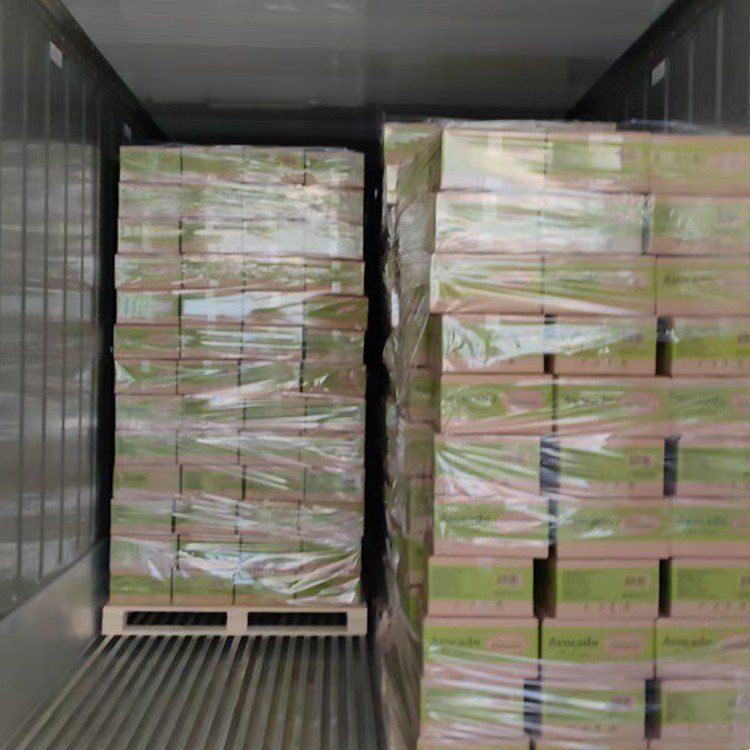
The most effective way to shorten customs clearance and minimize waiting time is to eliminate documentation errors before the vessel arrives. If paperwork is flagged for discrepancy, customs officials will hold the container for physical inspection or laboratory testing, multiplying the hours spent in unpowered port areas.
Importers should ensure that the bill of lading, commercial invoice, packing list, certificate of origin, and product-specific health or halal certificates match the physical shipment down to the last batch code. For export partners like Hicey, supplying complete and standardized export paperwork ensures that port authorities can process entries electronically without triggering mandatory manual reviews.
How Should Contract Terms Handle Port Waiting and Power Costs?
Clear liability and operational responsibility must be established before shipment. Standard FOB or CIF contracts often leave a grey area regarding who covers the daily electricity fees of keeping a reefer plugged in during prolonged customs holds or random inspections.
Importers and suppliers should explicitly define in the sales contract or agent agreement: - Who bears the cost of continuous reefer power during port storage or inspection holds. - Who holds the local authority to act immediately if customs demands a physical container opening. - Which party coordinates with the terminal operator to verify that power cables remain connected during inspection queues.
FAQ
Does customs clearance delay always damage frozen desserts? Not if the reefer container remains connected to a continuous power source. The hazard arises specifically from unpowered waiting periods during physical inspections or document holds.
Who is responsible for reefer electricity costs during port detention? This must be explicitly written into your sales contract or agent agreement. Leaving it unspecified often results in delayed decisions and prolonged exposure to unpowered holding risks.
#customs clearance# #ice cream melting# #cold chain logistics# #import compliance#
Authored by the regulatory and sales team at Hicey. Under Beijing Youshare Food Co., Ltd., we support global private label programs with three distinct compliance baselines: FDA registration for North America, HALAL certification for the Middle East, and ISO22000 management.
Product super fit, quick contact unlock exclusive program


looking for more infermatien?
Tel+Whatsapp:
Address: Yard 8, Fuze Road ,Fangshan District.Beijing, China
610 Zhonghai International Plaza, LicangDistrict, Qingdao, Shandong, China