








-


-


-


Online Message


What happens during a customs inspection of an ice cream reefer?
2026-11-06
Share to:


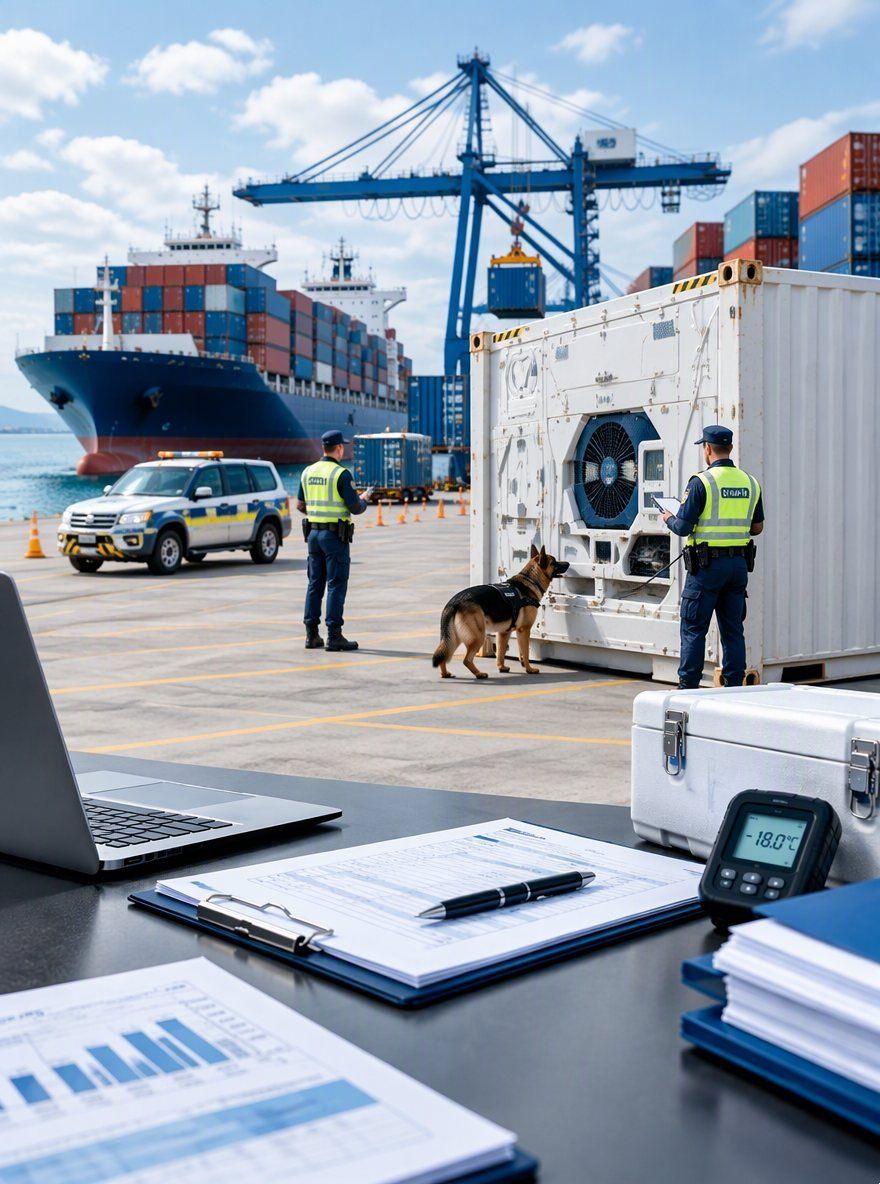
Customs inspection and any associated testing add unpredictable time to the clearance process, and the reefer container must remain continuously powered throughout. When doors open, warm air enters and core temperatures can drift. Importers need to have complete documentation ready, verify who bears the power costs during detention, and take a standardized temperature reading at the moment the doors open.
Why does a reefer inspection risk cargo integrity?
A refrigerated container maintains a set point of -20°C to -25°C to protect frozen desserts against thermal shock. During a customs inspection, inspectors must break seals and open doors to examine pallets or draw samples. This exposes the cargo to ambient air.
If the inspection bay lacks cold-chain facilities or if the inspection takes longer than expected, internal temperatures rise. Temperature fluctuations cause micro-crystals in ice cream to reform into larger ice crystals, ruining the texture. Maintaining continuous generator or shore power while doors are unsealed is non-negotiable.
What documents must be ready before inspection?
Delays during inspection usually stem from missing or mismatched paperwork rather than physical cargo issues. Importers and their customs brokers should ensure the following are fully prepared:
- Commercial invoice and packing list with accurate gross and net weights.
- Bill of lading matching the container seal numbers.
- Health certificates, origin certificates, and relevant compliance documents such as Halal or FDA facility registration records.
- Temperature data logger logs retrieved from the container upon arrival.
Who pays for power and handling during detention?
When customs orders a physical exam, terminal operators or inspection stations charge for moving the container, opening doors, repacking, and supplying continuous electrical power.
Contracts and Incoterms (such as FOB or CIF) dictate whether the buyer or seller absorbs these port-side detention and power fees. Importers should confirm these logistics terms with their freight forwarder beforehand so unexpected utility bills do not delay the final release.
How should temperature be verified when doors open?
Never rely solely on the reefer unit's external display after a prolonged inspection. Importers or their appointed surveyors should:
- Check the data logger readout immediately upon door opening.
- Insert a calibrated probe between cartons in the middle of the pallet stack if physical inspection allows.
- Record the exact time doors opened, closed, and the peak temperature reached.
FAQ
Q: Can an ice cream shipment be inspected inside a cold room? A: Only at select advanced ports. Most inspections occur in standard bays, making speed and continuous reefer power essential.
Q: What is the best way to prevent cold chain loss during delays? A: Ensure priority customs clearance and maintain unbroken generator or shore power connection.
This guide was prepared by the Hicey technical and export desk. Beijing Youshare Food Co., Ltd. produces 3D novelty frozen desserts, offering 45 distinct product varieties available in both dairy and plant-based formulas for international buyers.
#customsinspection #reefercontainer #coldchain #icecreamimport #b2btrade
备选标题(按发布位置选用)
- 小红书:What happens during a customs inspection of an ice cream reefer?
- 抖音:Customs inspection process for frozen dessert containers
Product super fit, quick contact unlock exclusive program


looking for more infermatien?
Tel+Whatsapp:
Address: Yard 8, Fuze Road ,Fangshan District.Beijing, China
610 Zhonghai International Plaza, LicangDistrict, Qingdao, Shandong, China