




-


-


-


Online Message


Is −18℃ Enough for Shaped Ice Cream, or Should It Be Stored Colder?
2026-11-04
Share to:


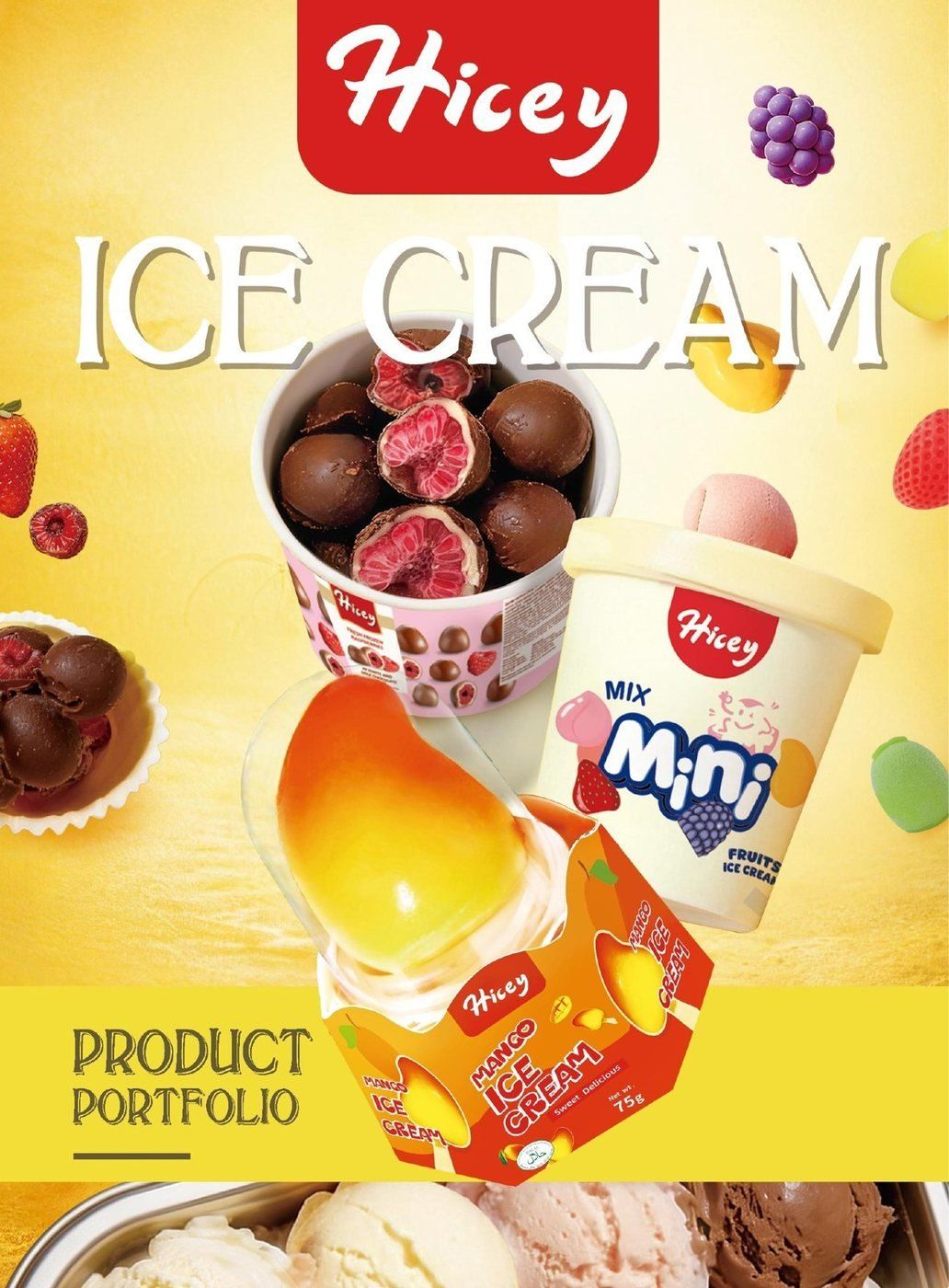
−18℃ is the point where water is almost fully frozen, microbial activity is suppressed and recrystallization is slow enough; regulations and practice in most markets converge on it. What harms product is fluctuation: every rise speeds crystal growth and the loss accumulates. Stability matters more than a lower setpoint.
Why is −18℃ the universal storage temperature?
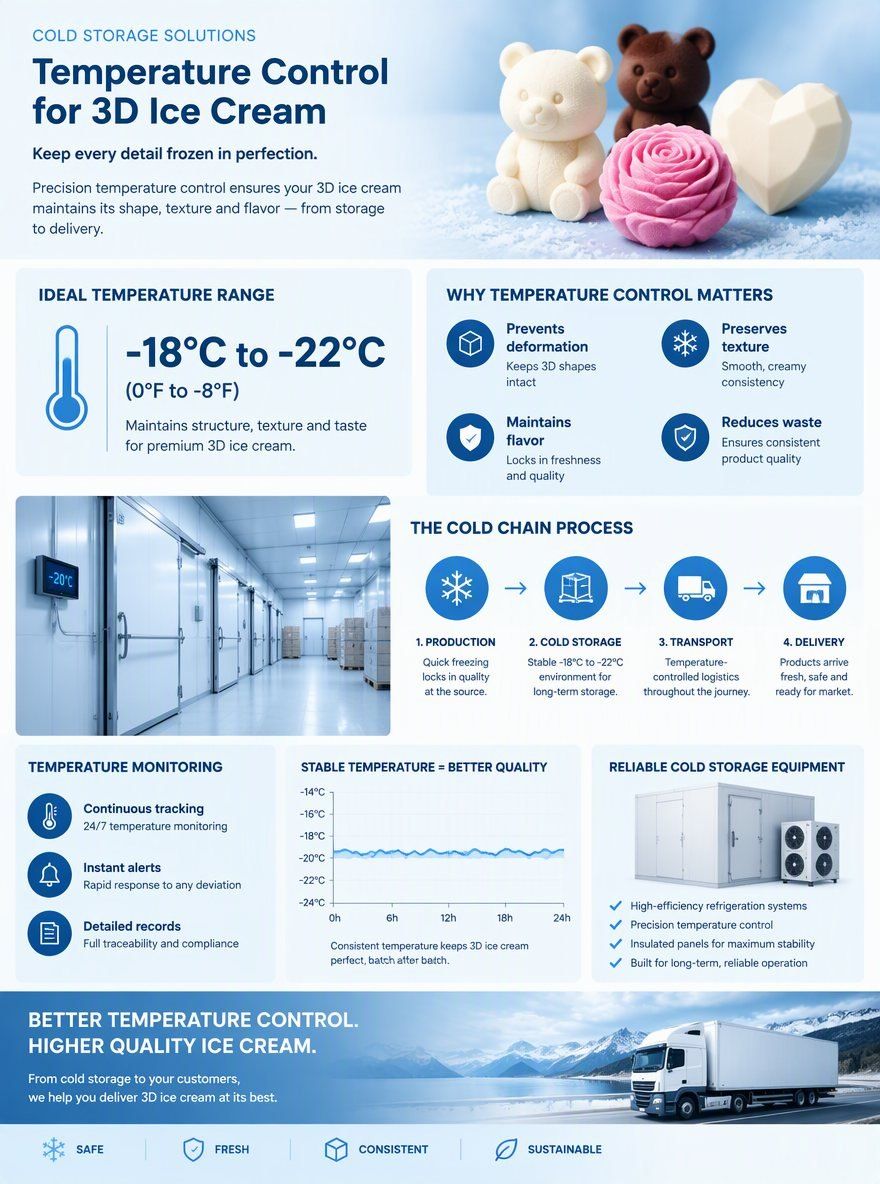
At −18℃, water inside shaped ice cream is almost fully frozen. This temperature effectively suppresses microbial activity and keeps molecular movement minimal. Regulations and industry practices across global export markets converge on −18℃ because it offers a proven baseline for maintaining product integrity without excessive energy costs.
Why does temperature fluctuation damage shaped ice cream?
The primary risk to 3D ice cream is thermal fluctuation rather than a stable −18℃. When temperatures rise, small ice crystals melt; upon cooling, moisture refreezes onto larger crystals. This recrystallization process ruins delicate 3D shapes and smooth coatings. Stability matters more than a lower setpoint.
How to maintain cold chain stability during distribution?
Importers and distributors must ensure continuous monitoring from port arrival to final warehouse storage. Using continuous data loggers and avoiding prolonged door openings prevents cumulative thermal damage during handling.
FAQ
Can lower temperatures reverse previous thawing? No. Once structural damage occurs from temperature abuse, lowering storage temperature cannot restore original product textures.
What is the recommended temperature for ocean transit? Standard ocean shipping recommends −20℃, while long-distance or specialized transport suggests −23℃ to −25℃ as a thermal buffer against port delays.
#storage temperature# #shaped ice cream# #cold chain# #import logistics#
Authored by the regulatory and sales team at Hicey. Under Beijing Youshare Food Co., Ltd., we support global private label programs with three distinct compliance baselines: FDA registration for North America, HALAL certification for the Middle East, and ISO22000 management.
Product super fit, quick contact unlock exclusive program


looking for more infermatien?
Tel+Whatsapp:
Address: Yard 8, Fuze Road ,Fangshan District.Beijing, China
610 Zhonghai International Plaza, LicangDistrict, Qingdao, Shandong, China