







-


-


-


Online Message


How does Hicey pack ice cream for ocean transport?
2026-11-04
Share to:


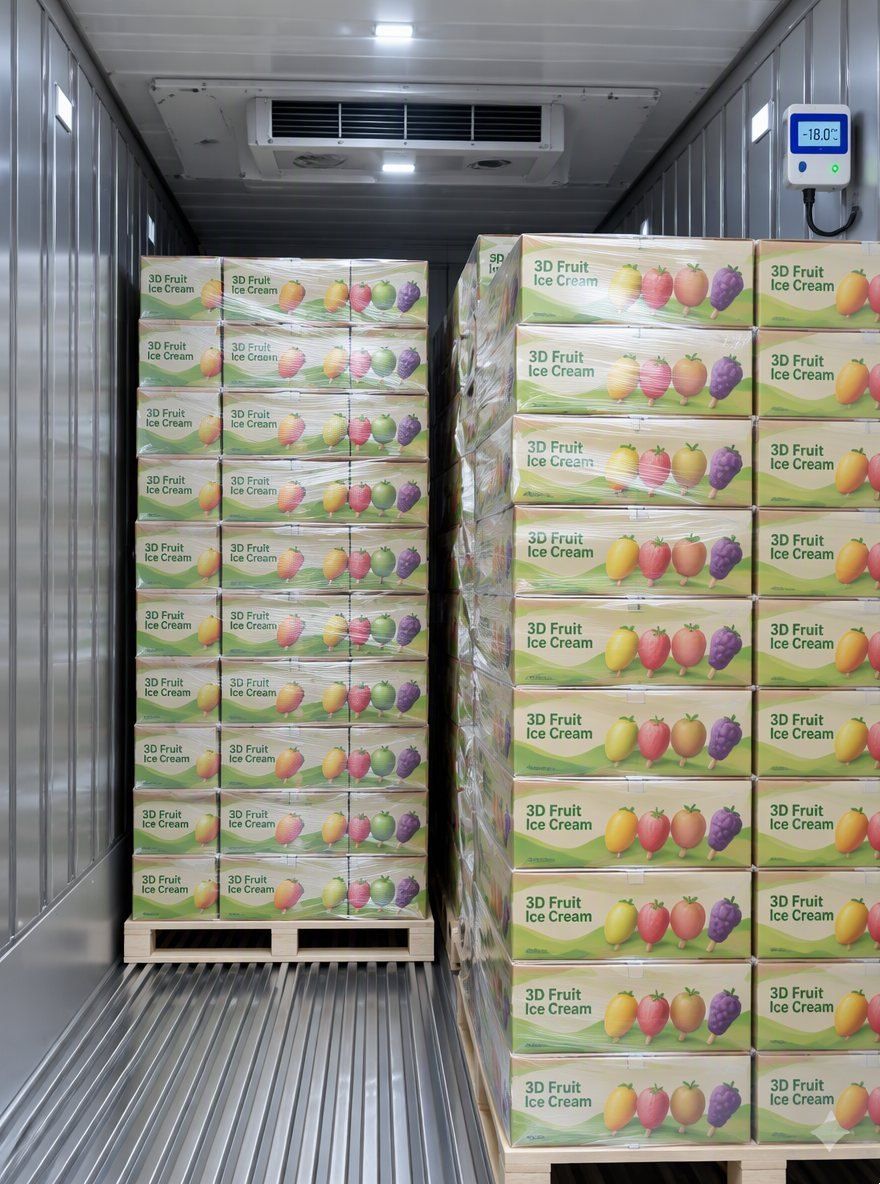
Ocean transport of frozen novelty ice cream introduces a fundamental operational challenge: temperature stability over long-haul voyages. At Hicey, the ice cream brand of Beijing Youshare Food Co., Ltd., we manage transit risks through two layers of control: strict cold chain monitoring at −18℃ throughout, and specialized thickened export packaging designed to buffer thermal fluctuations.
This approach addresses the core concern of international importers and distributors—ensuring that delicate 3D fruit-shaped items reach destination warehouses without structural deformation or crystal degradation.

Why Ocean Transport Demands Specialized Packaging
Unlike domestic distribution, maritime shipping involves multi-week transit times, port handling, and potential container repositioning. Temperature variations inside a 40-foot reefer container can trigger undesirable physical changes in frozen confections.
When temperature fluctuates above the freezing threshold, ice crystals inside the product melt and refreeze, forming larger crystals. This process—known as recrystallization—destroys the smooth texture and compromises the intricate contours of 3D molded ice cream, such as mango or peach shapes. Therefore, export packaging must function as a thermal and physical shield, not merely an outer container.
The Two Layers of Control
1. Continuous Cold Chain Monitoring at −18℃
Maintaining a strict −18℃ environment is non-negotiable. At this threshold, moisture remains completely frozen, microbial activity is suppressed, and recrystallization rates are minimized.
During ocean transit, our logistics protocols require continuous temperature data-logging inside the reefer container. Importers receive transparent data logs verifying that the cold chain remained unbroken from the departure port to arrival.
2. Thickened Export Cartons for Thermal Buffering
While reefer containers maintain ambient temperature, external heat transfer can still occur during port loading, customs inspection, and container drayage.
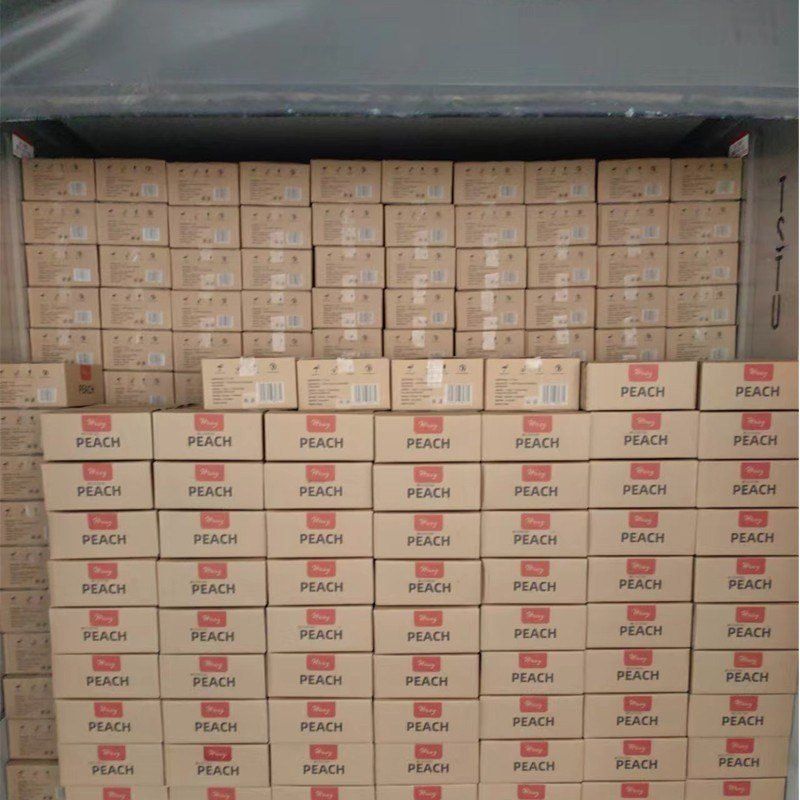
Hicey utilizes high-density, multi-layer thickened corrugated cartons specifically engineered for export logistics. These cartons provide an additional layer of thermal insulation, cushioning the internal product boxes against sudden ambient temperature spikes during port handling. Furthermore, box dimensions are optimized for standard 40-foot high-cube reefer palletization, preventing shifting and crushing during rough seas.
Buyer Feedback and Risk Management
Evaluating a supplier's transport reliability relies on verifiable field performance rather than theoretical claims. A New Zealand buyer summarized their experience with our logistics execution: "Reliable lead times and well-protected packaging. We are very satisfied with the order."
In international supply chains, mechanical and thermal risks can be mitigated, but never entirely eliminated. Our official stance is clear: we press transport risk very low through rigorous −18℃ monitoring and reinforced packaging, rather than claiming zero risk.
By combining transparent cold chain documentation with durable export packaging, Hicey ensures that international partners receive novelty ice cream in pristine, retail-ready condition.
Authored by the regulatory and sales team at Hicey. Under Beijing Youshare Food Co., Ltd., we support global private label programs with three distinct compliance baselines: FDA registration for North America, HALAL certification for the Middle East, and ISO22000 management.
#Hicey #3DIceCream #OceanTransport #ExportPackaging #ColdChainMonitoring
Product super fit, quick contact unlock exclusive program


looking for more infermatien?
Tel+Whatsapp:
Address: Yard 8, Fuze Road ,Fangshan District.Beijing, China
610 Zhonghai International Plaza, LicangDistrict, Qingdao, Shandong, China