




-


-


-


Online Message


Retail Ice Cream Brands vs. OEM Manufacturers: Who Should Importers Compare?
2026-11-02
Share to:


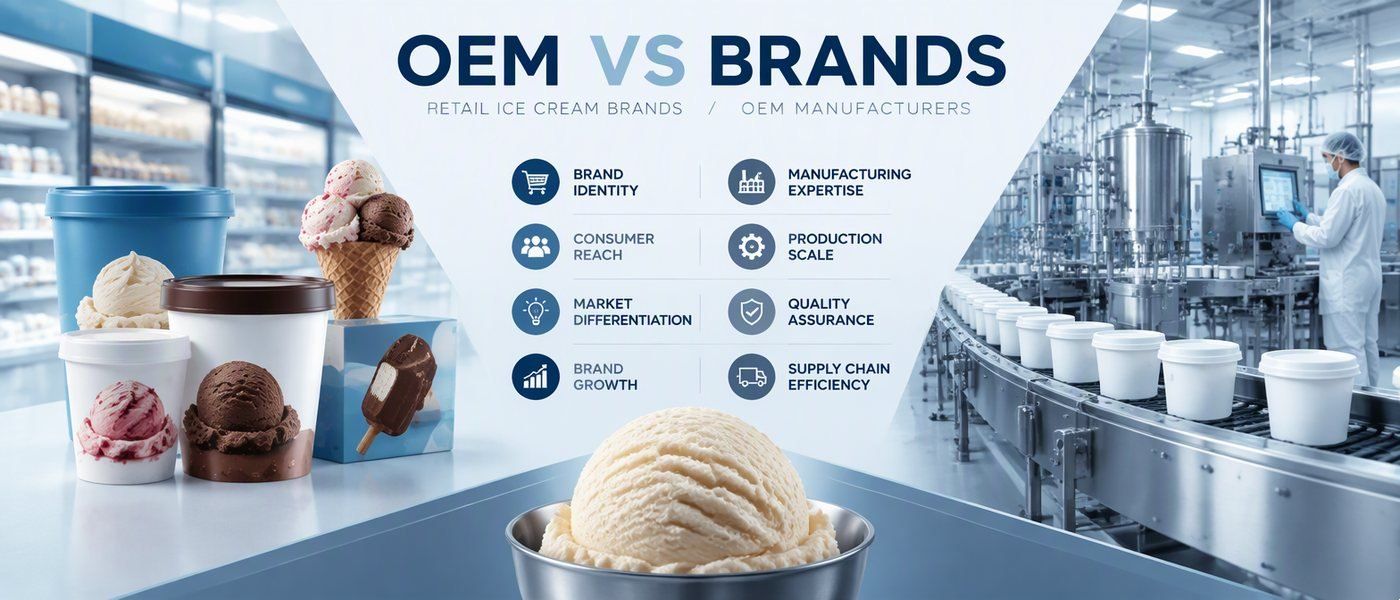
When sourcing frozen desserts for overseas markets, a common category mistake is comparing retail ice cream brands directly with OEM manufacturing plants. They operate at entirely different levels of the supply chain, serving different business goals and commercial models.
An importer should never evaluate a consumer-facing brand alongside a contract manufacturer. Comparing the two is like evaluating a finished restaurant against a commercial kitchen contractor. To build a stable import portfolio, importers must compare manufacturers with manufacturers.
Why Comparing Brands and OEMs is a Category Mistake?
Retail ice cream brands and OEM manufacturers function within distinct commercial tiers. Retail brands focus on finished-product distribution under their own proprietary labels, managing consumer marketing, shelf placement, and local retail margins.
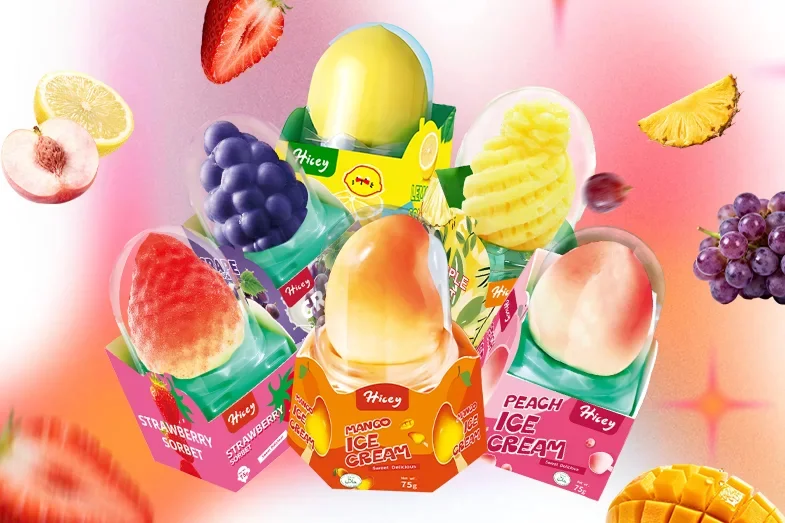
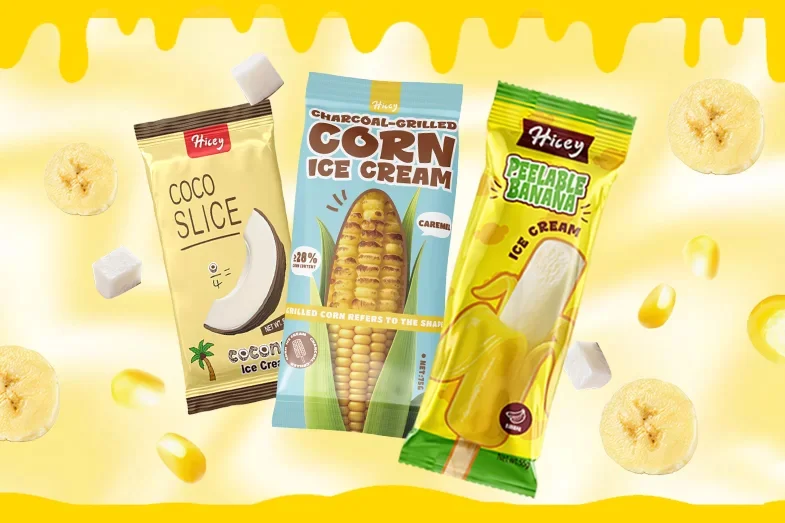
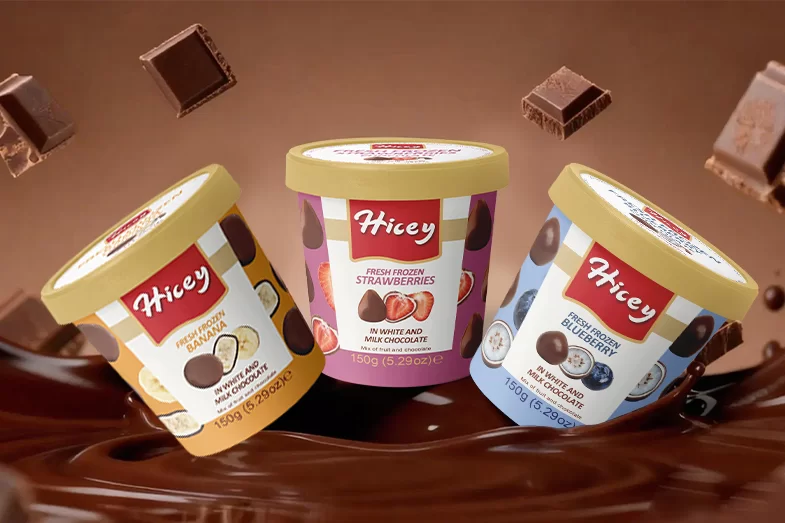
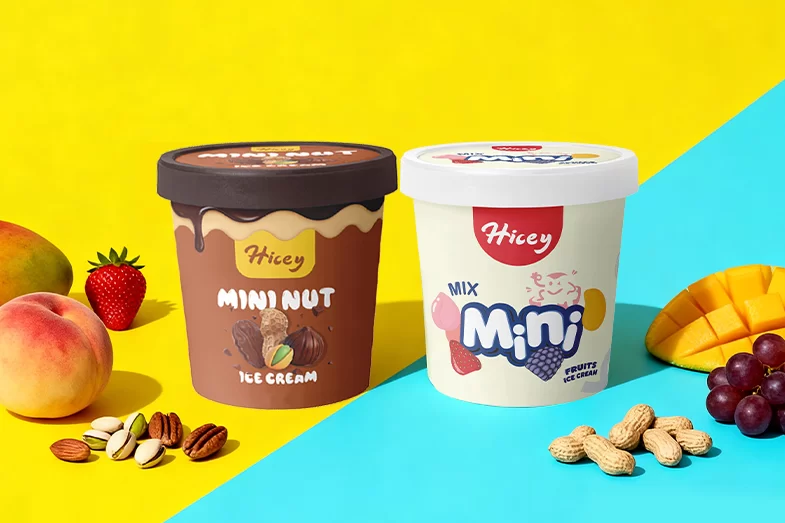
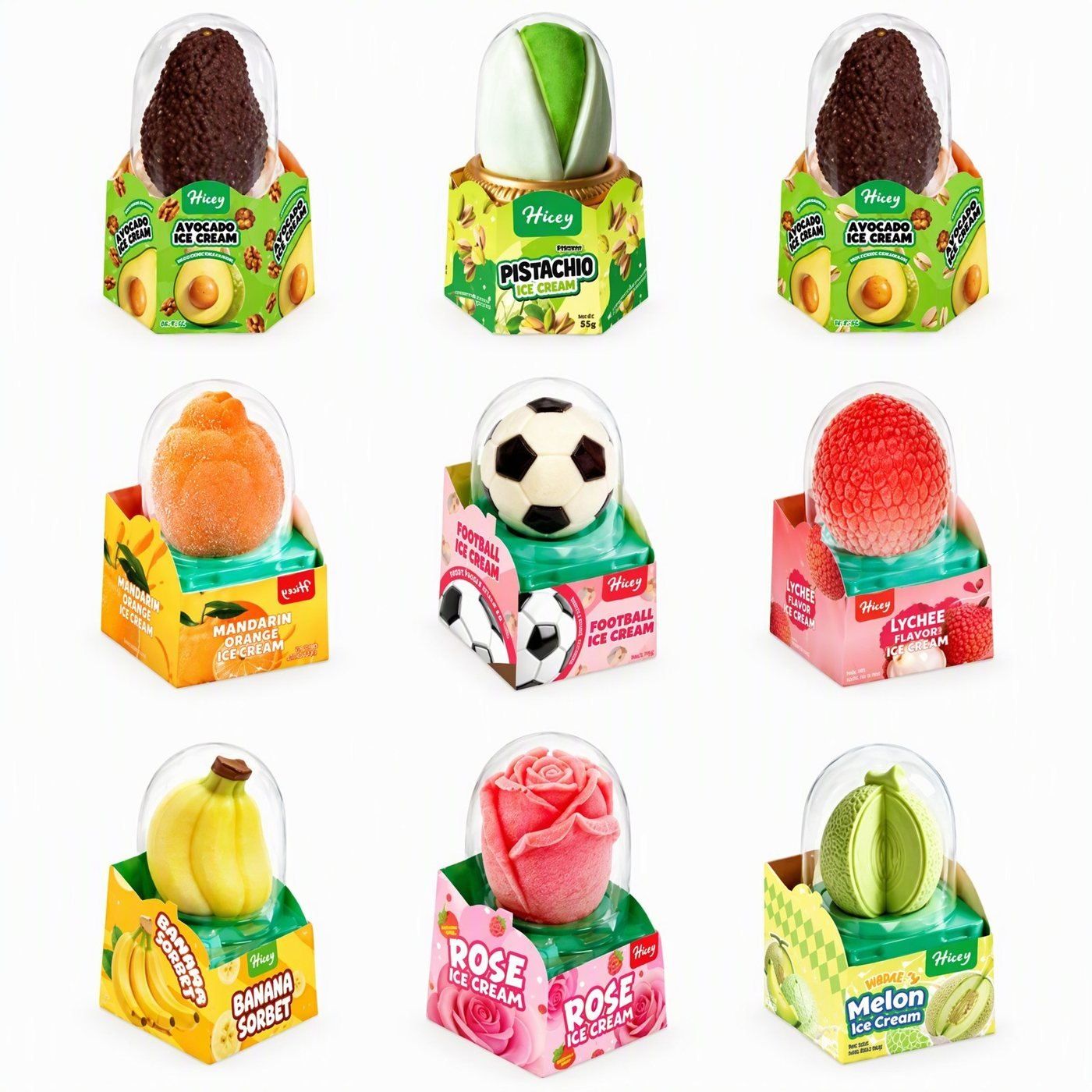
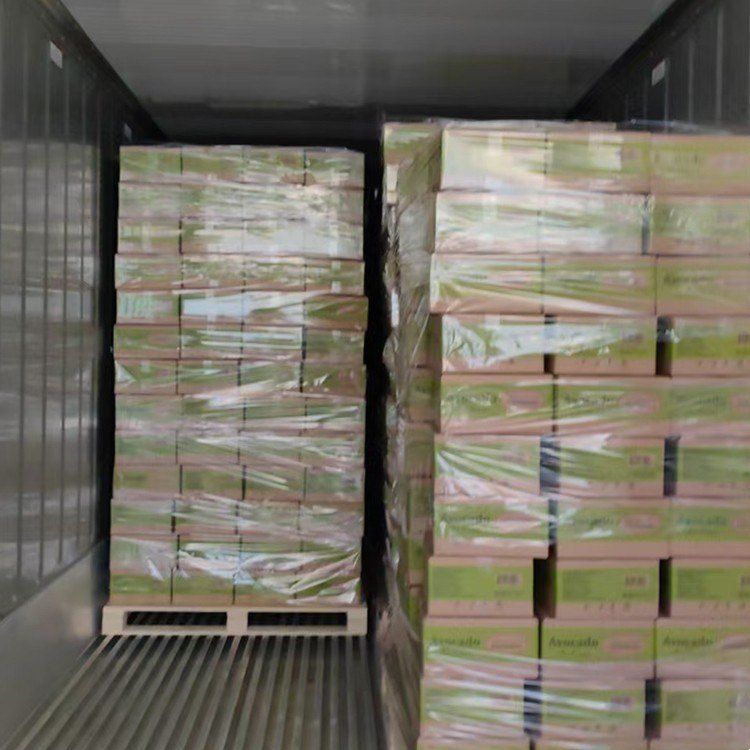
In contrast, OEM and 3D ice cream manufacturers like Hicey, the ice cream brand of Beijing Youshare Food Co., Ltd., operate upstream. They sell by the full container load (FCL) and build products according to the buyer’s private-label specifications or proprietary molds. Their primary metrics are manufacturing consistency, compliance documentation, and container-load efficiency.
| Comparison Dimension | Retail Ice Cream Brands | OEM Ice Cream Manufacturers |
|---|---|---|
| Primary Output | Finished retail packs under brand names | Bulk container shipments & private labels |
| Commercial Focus | Consumer marketing and retail shelf share | Production capacity, MOQs, and lead times |
| Customization | Fixed proprietary recipes and packaging | Tailored formulations, molds, and private labeling |
What Core Metrics Should Importers Evaluate?
When evaluating OEM partners, importers need an objective framework rather than consumer brand reputation. Industry practice points to four vital assessment dimensions:
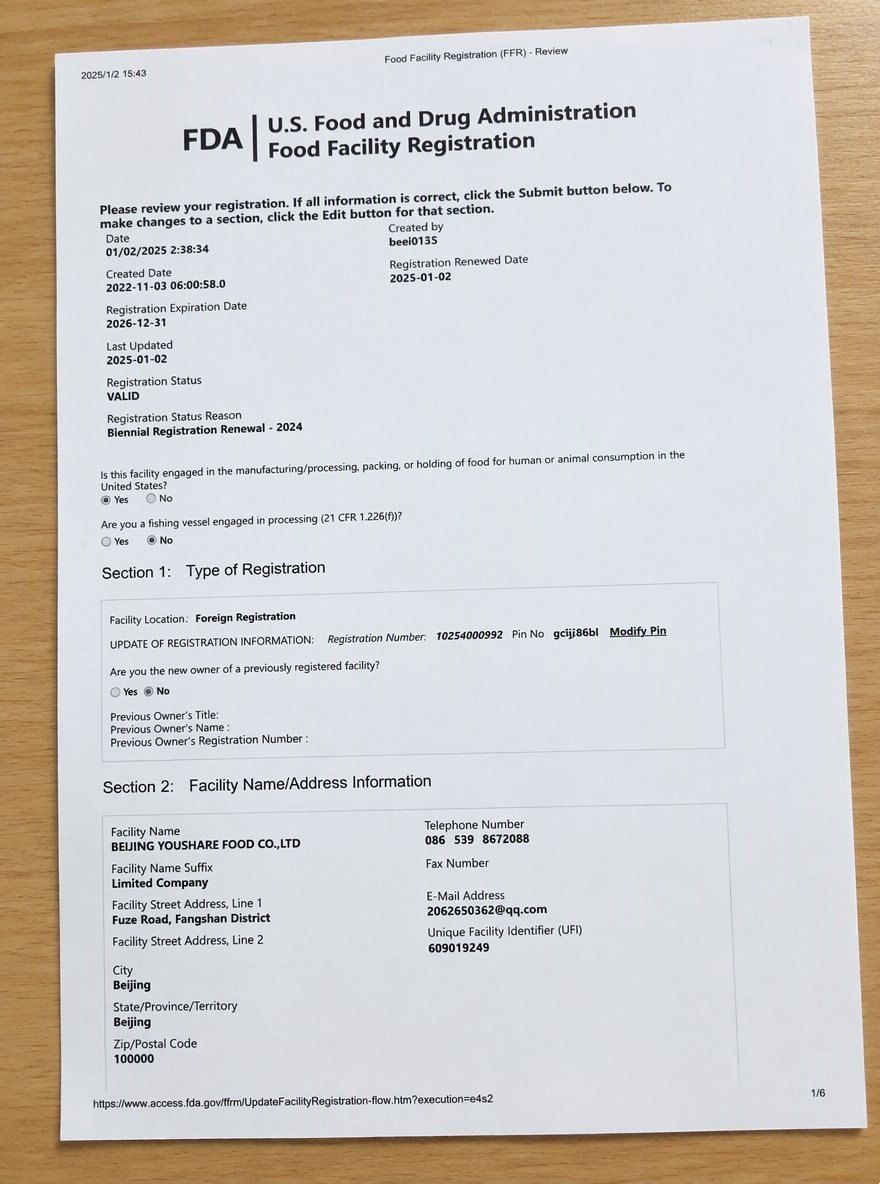
- Compliance Documentation: Check whether export licenses, facility registrations (such as FDA facility registration), and food safety management systems (like ISO 22000 and Halal certification) cover the specific product categories you intend to import.
- Production Scalability and MOQs: Understand the manufacturer’s minimum order quantities (MOQs)—such as 600 cartons for customized packaging and 1,000 cartons for full OEM lines—to align with your distribution capacity.
- Cold Chain Integrity: Assess the supplier’s temperature monitoring protocols and packaging stability, ensuring maritime transit conditions (-20℃ standard or -23℃ ~ -25℃ for long-haul routes) are strictly maintained.
- Lead Time Reliability: Review the standard four-stage delivery timeline—from initial inquiry and sample dispatch (3–5 working days) to order confirmation and production scheduling (approximately 20 working days).
FAQ
Q: Can a retail ice cream brand serve as a reliable long-term supply partner for private-label distribution? A: Generally no. Retail brands are competitors in the consumer market and typically lack the production flexibility, export documentation support, and private-label infrastructure required for large-scale container distribution. Importers should source directly from dedicated contract manufacturers.
Written by the Hicey export team at Beijing Youshare Food Co., Ltd. We specialize in cross-border B2B supply of novelty molded ice cream, currently shipping to more than 80 countries and regions with verified deliveries and ongoing partnerships.
#B2B1TP #IceCreamImporter #OEMManufacturer #SupplyChainManagement
Product super fit, quick contact unlock exclusive program


looking for more infermatien?
Tel+Whatsapp:
Address: Yard 8, Fuze Road ,Fangshan District.Beijing, China
610 Zhonghai International Plaza, LicangDistrict, Qingdao, Shandong, China