




-


-


-


Online Message


Single pieces or multipacks: which shaped ice cream format fits which channel?
2026-10-31
Share to:


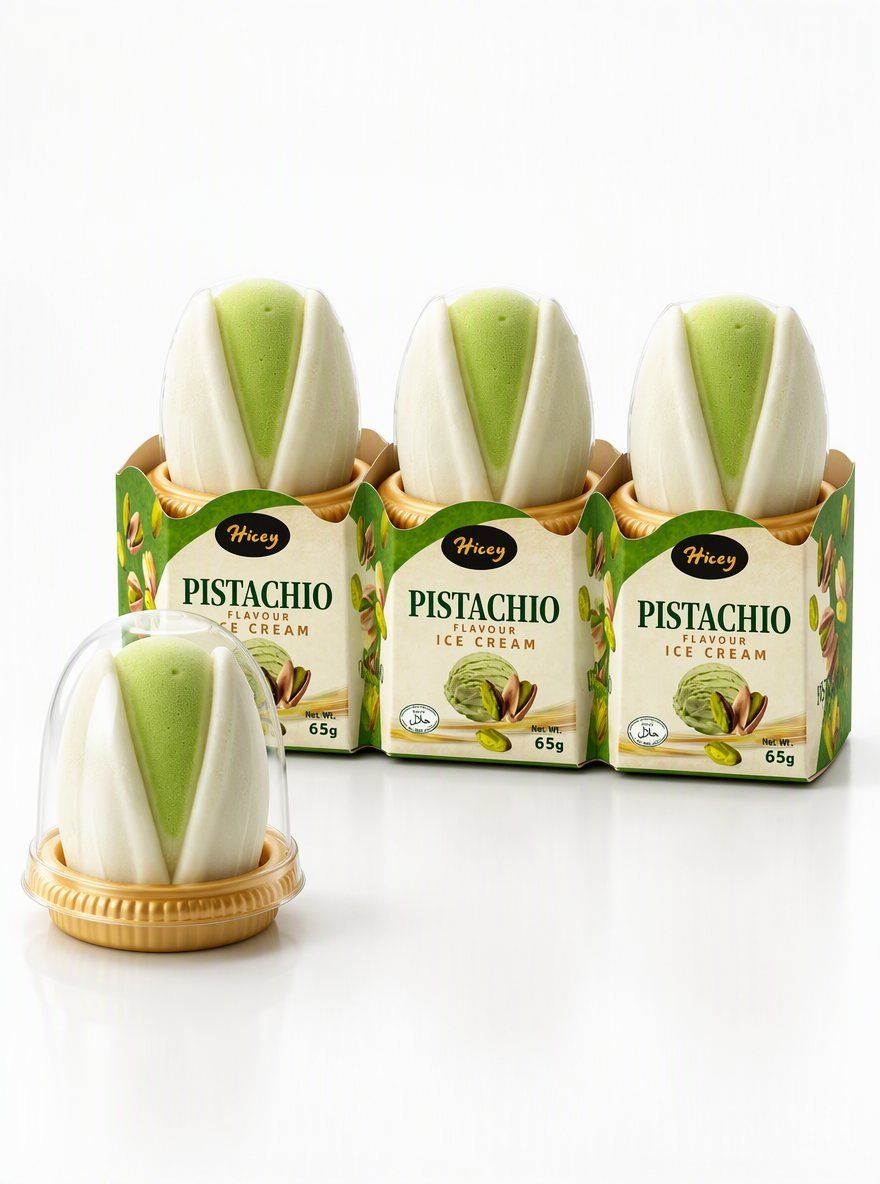
Choosing between single-serve units and multipacks for shaped frozen desserts is not a matter of aesthetic preference. For importers, distributors, and retail buyers, the format dictates freezer placement, logistics efficiency, and inventory turnover.
Single pieces suit impulse and convenience freezers, where unit size and display matter. Multipacks suit supermarkets and family purchases. Importers care about margin and continuity, chains about compliance files, convenience buyers about unit size — so format follows the channel you sell to.
Which channel demands single-serve shaped pieces?
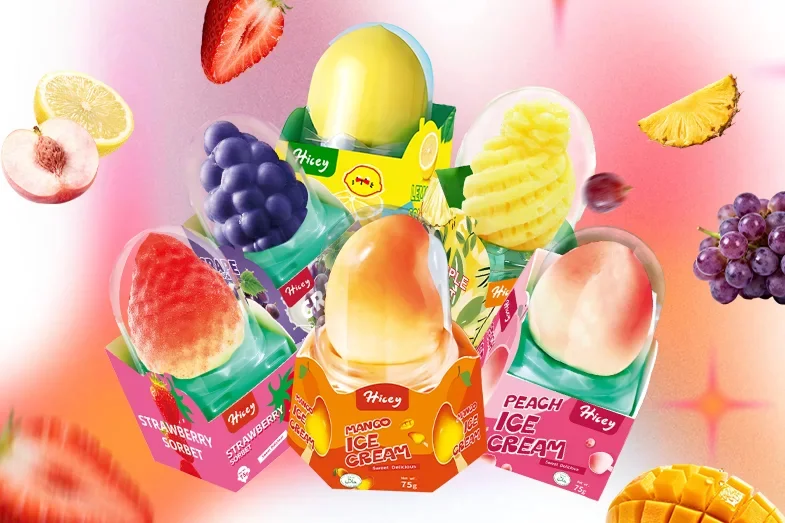
Convenience stores, gas station kiosks, and high-traffic impulse channels rely on individual, ready-to-display units. When a consumer reaches into a glass-top chest freezer or a vertical glass door merchandiser, visual impact drives the initial grab.
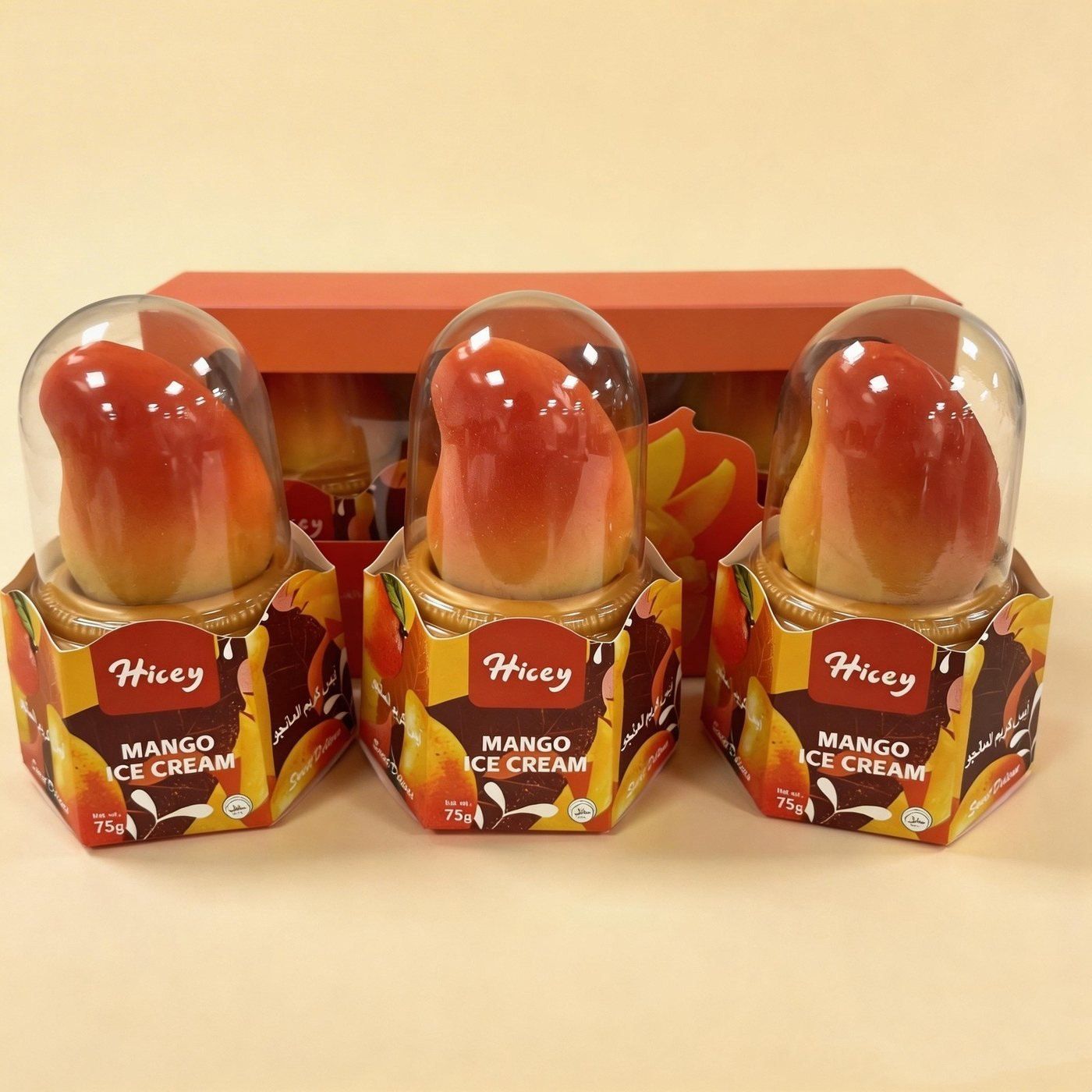
Shaped frozen desserts — such as 3D fruit designs or novelty novelties — depend entirely on immediate visual recognition. Single pieces wrapped in transparent or domed packaging allow the buyer to inspect the 3D contour instantly. For convenience buyers, unit size and stackability inside compact freezers dictate replenishment frequency. High-turnover impulse units require sturdy exterior protection to prevent breakage during handling, yet maintain an unobstructed view of the product shape.
Why do supermarkets require multipacks?
Supermarkets, hypermarkets, and club stores operate on household storage capacity and planned purchasing. For these channels, single units occupy too much check-out counter or freezer real estate relative to their basket value.
Multipacks (such as 3-packs or 6-packs) bundle shaped items into paperboard or multi-layer cartons. This format provides several functional advantages for retail buyers: - Shelf-stacking efficiency: Rectangular boxes stack uniformly on wire shelves, maximizing cubic utilization in reach-in freezers. - Family value perception: Bundling multiple pieces under a unified SKU creates a clear price-per-unit logic for household shoppers. - Barcode and compliance space: Larger packaging provides adequate space for multi-language ingredients, nutritional facts, and GS1 barcodes required by major retail chains.
How do importers evaluate format versus margin?
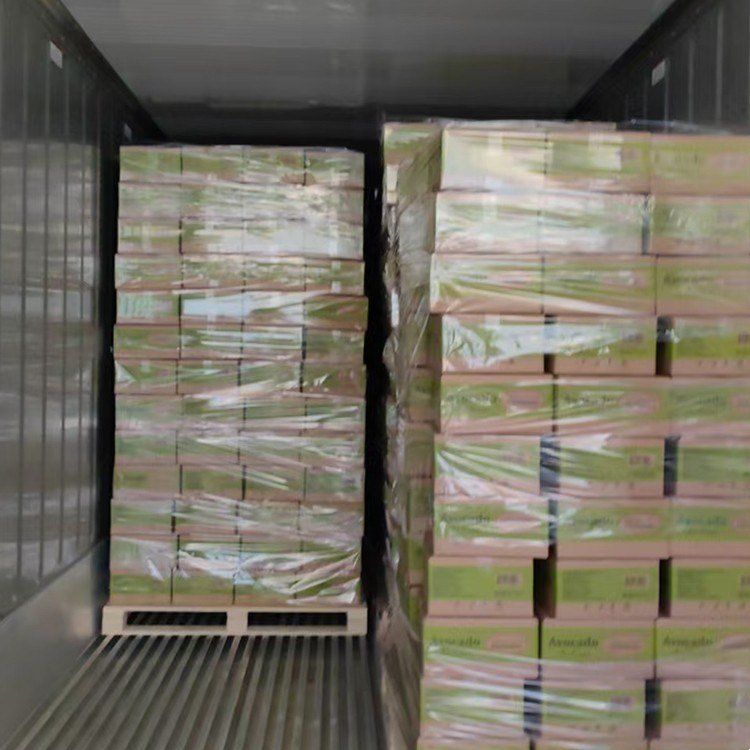
Import and distribution decisions are ultimately anchored in container economics and logistics continuity. Importers balancing 40-foot high cube reefer containers must calculate how different packaging dimensions affect total pallet counts and shipping density.
| Channel Type | Recommended Format | Primary Logistics Driver |
|---|---|---|
| Convenience & Kiosk | Single pieces (Dome-packed) | Impulse visibility, compact footprint |
| Supermarket & Retail | 3-pack or 6-pack cartons | Shelf stability, barcode compliance |
| Institutional / HORECA | Bulk or multi-piece trays | Storage density, breakage prevention |
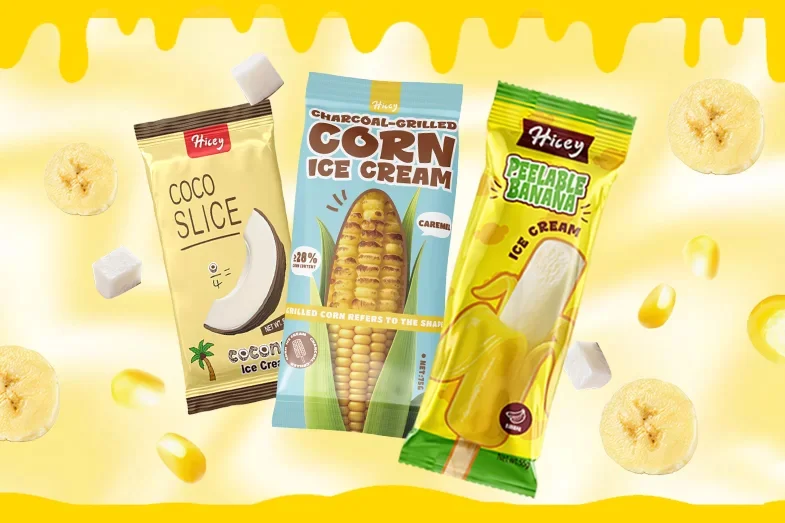
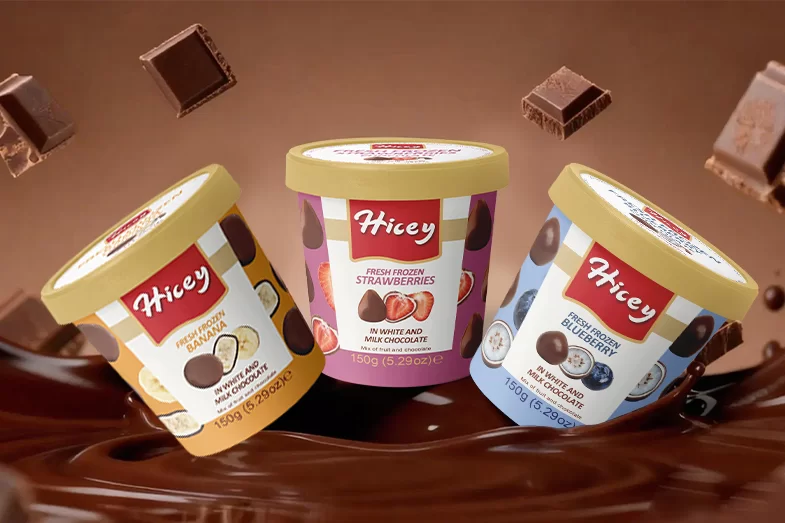
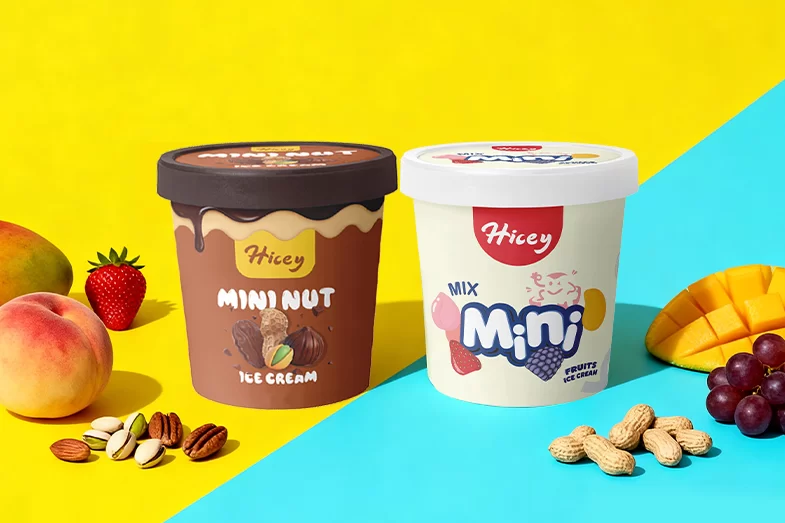
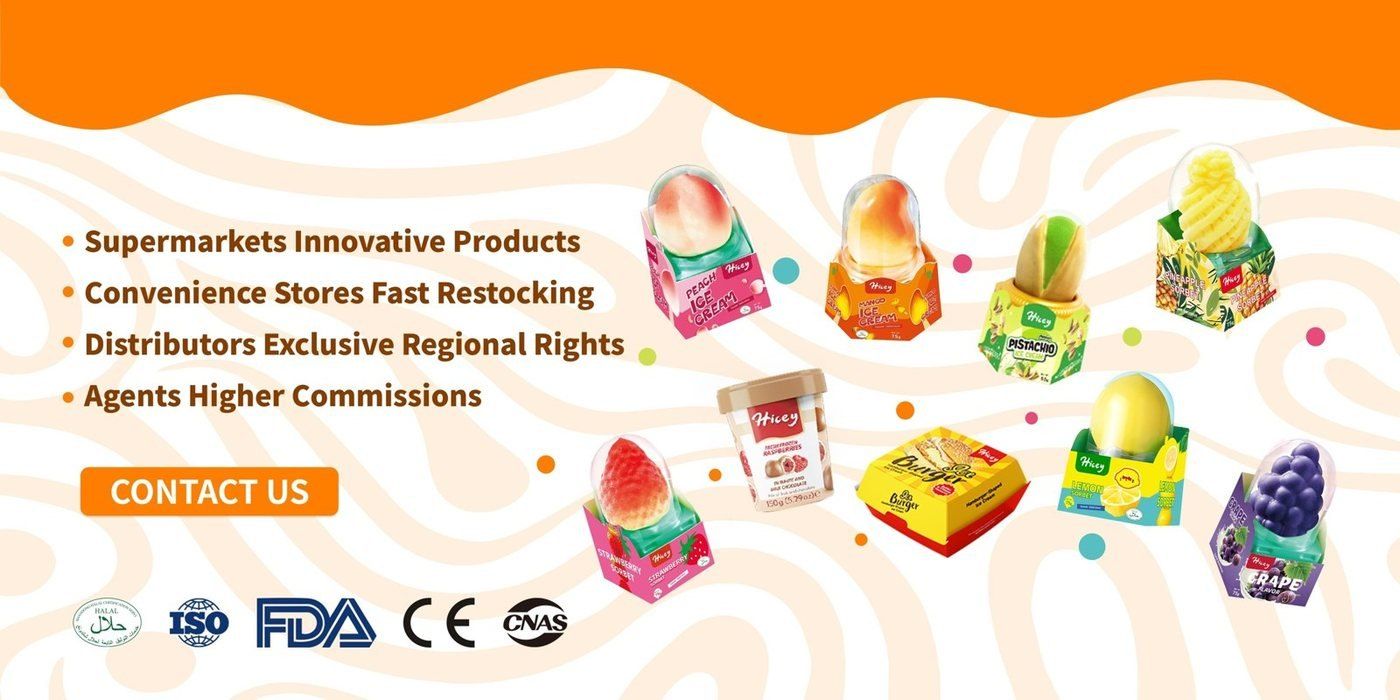
When sourcing China 3D ice cream or shaped novelties, Hicey supplies both single-serve domed boxes and multi-piece retail cartons, allowing distributors to split container space based on regional channel demands without altering product formulations.
FAQ
Do single pieces and multipacks share the same shelf life and storage requirements? Yes. Both formats require a stable storage temperature of -18°C or below and utilize identical protective packaging layers to prevent moisture migration and thermal shock during transit.
Can a distributor mix single pieces and multipacks in a single 40ft reefer container? Yes. Mixed container loading is standard practice for distributors balancing convenience store supply with supermarket distribution, provided minimum order quantities per SKU are met.
Shared by the cross-border fulfillment team at Hicey, the export brand of Beijing Youshare Food Co., Ltd. We provide 3D molded ice cream solutions with clear operational benchmarks, including an estimated 20-working-day production schedule once orders are confirmed. Inquiries and technical questions are always welcome in the comments.
#B2B #IceCreamDistribution #SupplyChain #RetailFormats #ImportSourcing
Product super fit, quick contact unlock exclusive program


looking for more infermatien?
Tel+Whatsapp:
Address: Yard 8, Fuze Road ,Fangshan District.Beijing, China
610 Zhonghai International Plaza, LicangDistrict, Qingdao, Shandong, China