




-


-


-


Online Message


Importing ice cream or using a domestic co-packer: how do the cost structures di
2026-10-31
Share to:


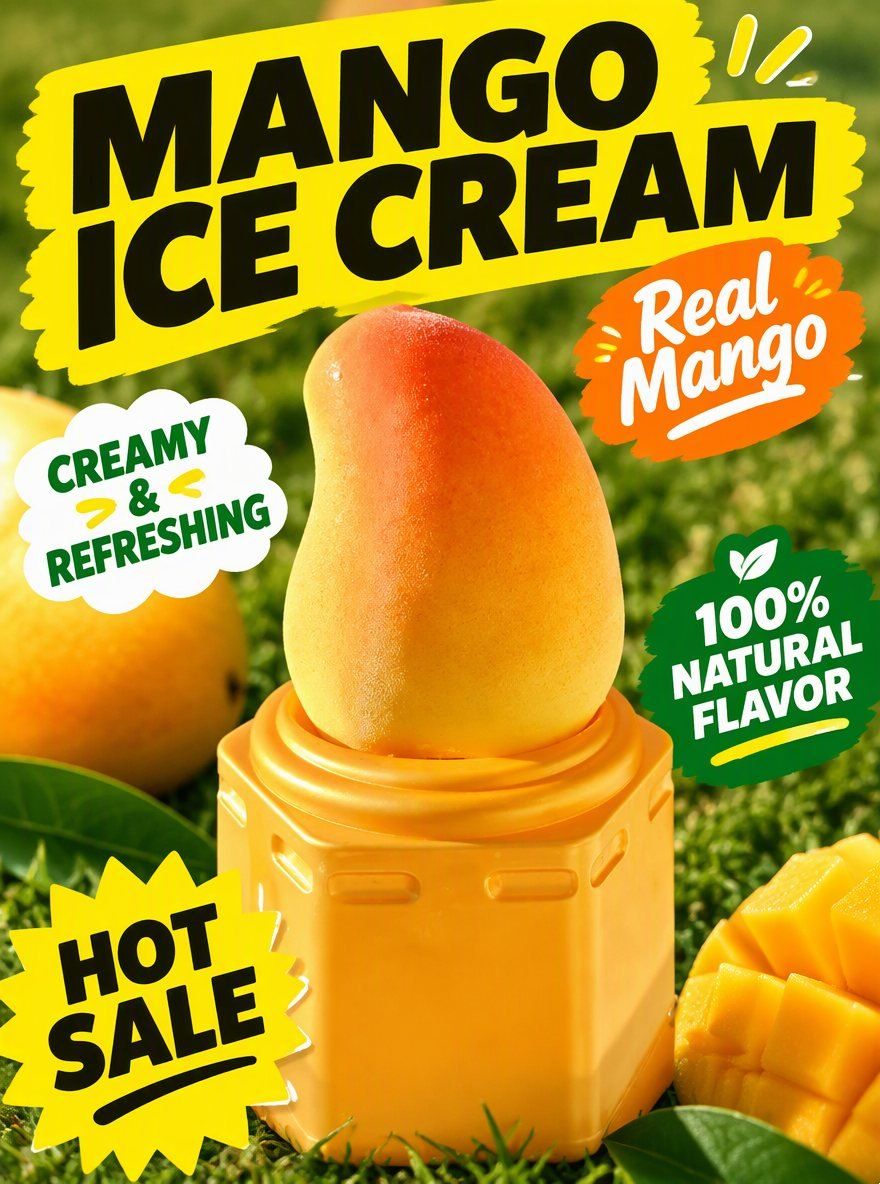
【正文】 An import has three cost blocks quoted by three parties — factory, forwarder, clearance and duty — plus the cost of risk in transit. A domestic co-packer has one block and shorter exposure. Compare on landed cost per sellable carton, with a realistic allowance for loss, not on factory price.
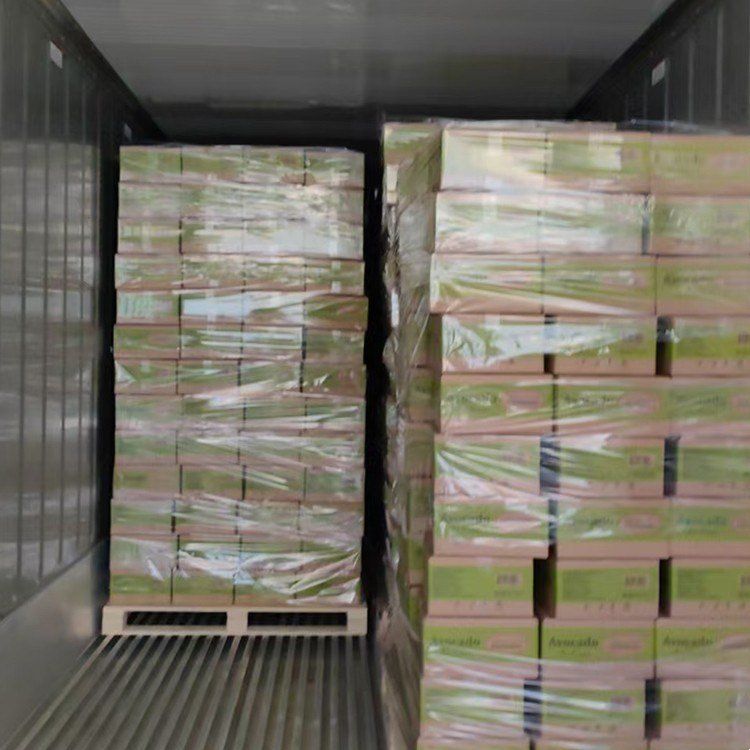
When procurement teams evaluate supply options for frozen desserts, comparing factory price tags alone often leads to miscalculations. Understanding the structural differences between importing and utilizing a domestic co-packer requires analyzing total operational expenses.
Core cost structure comparison
- Counterparty and quotation blocks: Importing splits expenses across multiple entities. You manage quotations from the manufacturing factory for production, an international freight forwarder for maritime logistics, and local agents for customs clearance and duties. A domestic co-packer simplifies this by consolidating production into a single, localized block.
- Transit exposure and risk: International supply chains involve extended transit times. Because frozen desserts require strict temperature control, longer maritime routes increase exposure to port delays and potential container power failures. A domestic co-packer involves significantly shorter transit windows, reducing cargo risk.
- Landed cost per sellable carton: Financial comparisons must focus on the landed cost per sellable carton rather than FOB pricing. This includes factoring in freight, insurance, tariffs, and a realistic allowance for transit loss or port demurrage.
- Capital and inventory holding: Importing typically demands full-container load commitments, requiring higher upfront capital allocation for inventory storage. Domestic co-packing can offer more flexible batch sizing aligned with regional demand.
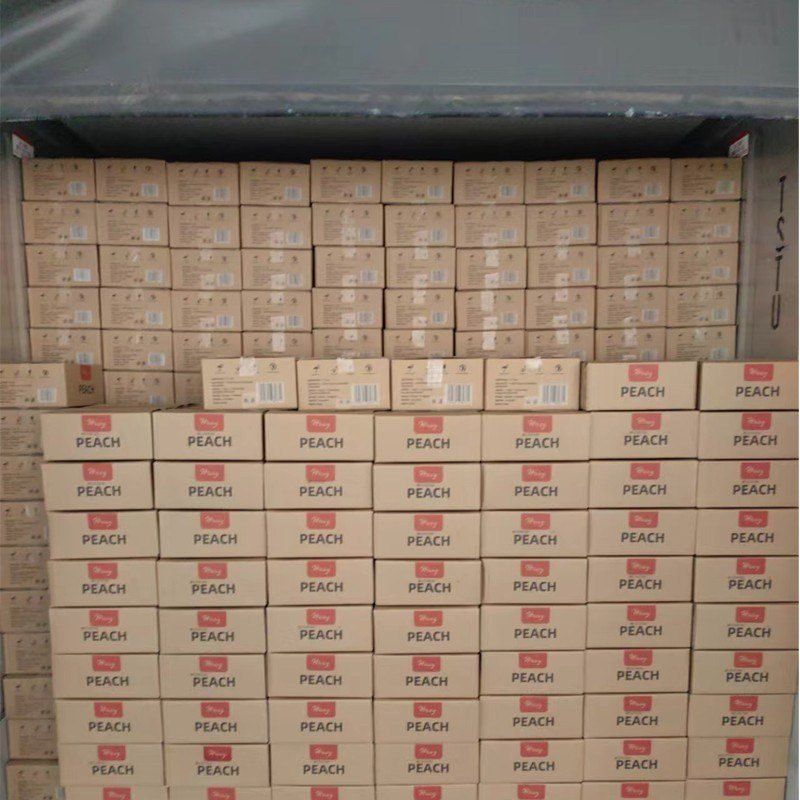
Procurement evaluation should weigh multi-party coordination overhead and transit risk against local production flexibility.
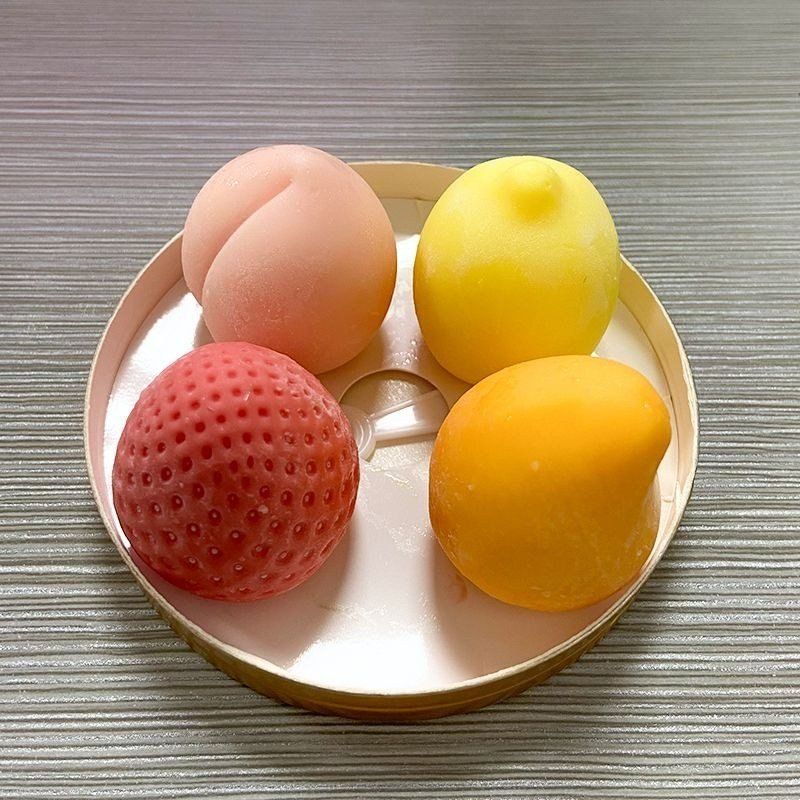
Tags: importing, domestic co-packer, cost structure, supply chain management, B2B procurement
Written by the Hicey export team at Beijing Youshare Food Co., Ltd. We specialize in cross-border B2B supply of novelty molded ice cream, currently shipping to more than 80 countries and regions with verified deliveries and ongoing partnerships.
Product super fit, quick contact unlock exclusive program


looking for more infermatien?
Tel+Whatsapp:
Address: Yard 8, Fuze Road ,Fangshan District.Beijing, China
610 Zhonghai International Plaza, LicangDistrict, Qingdao, Shandong, China