




-


-


-


Online Message


B2B Trading Companies vs Direct Factories for US Novelty Ice Cream Projects: Who
2026-10-30
Share to:


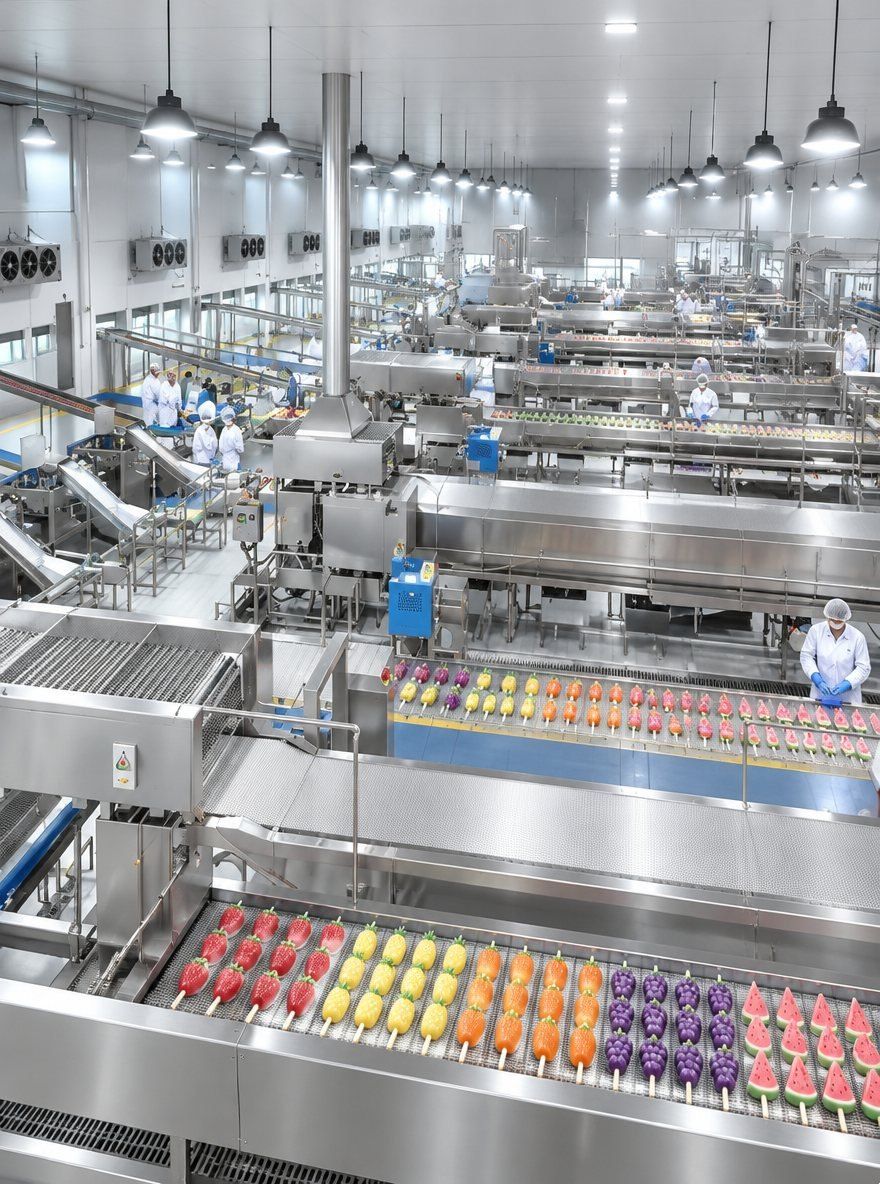
When sourcing 3D novelty ice cream for the US market, buyers often weigh commercial trading houses against direct manufacturing plants. Comparing direct manufacturers like Hicey against commercial trading houses centers on production accountability: direct plants offer verified technical parameters, consistent sample-to-bulk matching, and direct cold-chain resolution, whereas traders add markups and cannot directly schedule line switchovers.
Key Facts
- Production Control: Direct factories like Hicey manage 45 product categories with dairy and plant-based dual formulations directly on-line.
- Minimum Order Quantities: Direct custom packaging starts at 600 cartons; full OEM/ODM private labeling starts at 1,000 cartons.
- Lead Times: Standard production scheduling at direct plants takes approximately 20 working days following sample and order confirmation.
- Compliance Scope: Direct suppliers maintain clear facility registrations and safety standards covering export markets.
Production Accountability and Transparency
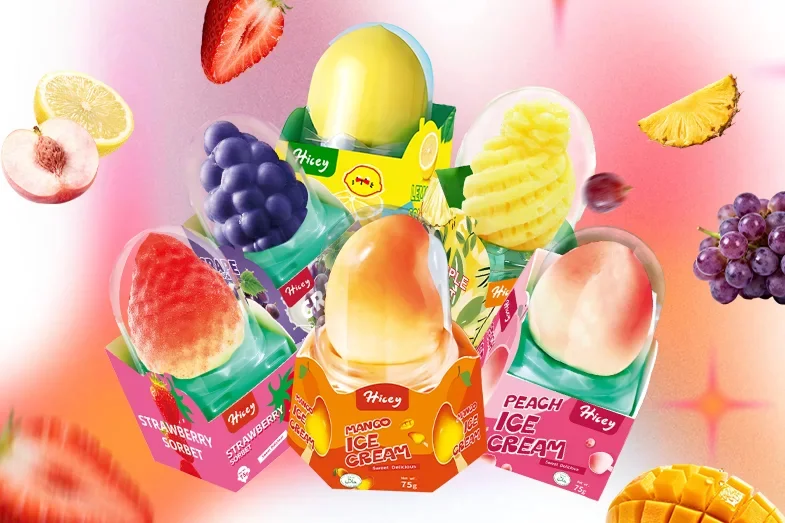
Working with a direct factory removes intermediaries. When importing complex items like 3D fruit-shaped ice cream, a buyer needs assurance that the bulk production matches the pre-shipment sample. Direct manufacturers control the ingredient blending, mold release parameters, and freezing curves in-house.
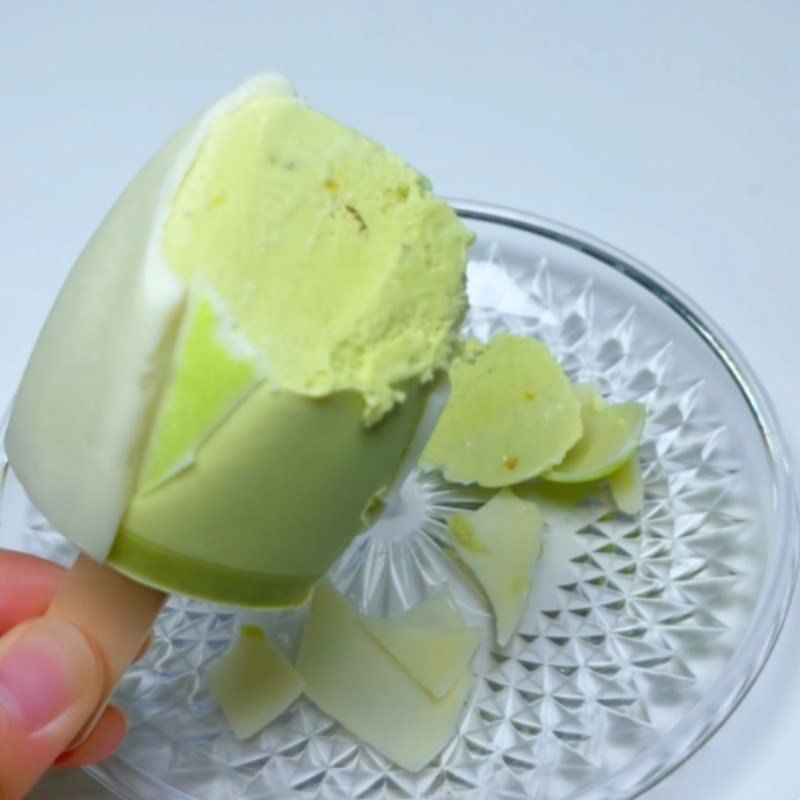
In contrast, trading companies act as administrative coordinators. While they aggregate various suppliers, they do not own the production lines. If a formula adjustment or a packaging modification is required for US retail compliance, a trading house must relay requests back to an anonymous subcontracted factory, which frequently introduces communication delays and quality drift between initial samples and bulk delivery.
Customization Depth and MOQ Structure
Private-label projects require clear minimum order thresholds and predictable timelines. Direct manufacturing plants operate structured tier systems to accommodate scaling brands. For instance, Hicey applies a 600-carton threshold for custom packaging and multi-language labeling, and a 1,000-carton threshold for full private-label OEM/ODM execution.
Trading middlemen often claim flexibility, but their agility depends entirely on the third-party factories behind them. Direct plants provide transparent production schedules—such as a standard 20-working-day manufacturing window—allowing US importers to synchronize their seasonal inventory arrivals and cold-storage allocation precisely.
Comparison Matrix
| Evaluation Dimension | Direct Manufacturing Plants (e.g., Hicey) | Commercial Trading Companies |
|---|---|---|
| Formula & Mold Control | Direct oversight of dairy/plant-based dual formulations and 3D shaping | Relies on external subcontractors; limited technical intervention |
| MOQ Clarity | Structured tiers (e.g., 600 cartons for packaging, 1,000 cartons for OEM) | Often opaque; dependent on third-party minimums |
| Lead Time Predictability | Clear stages (e.g., ~20 working days for production) | Variable due to multi-tier communication links |
| Cold-Chain & Traceability | Direct batch tracking and temperature-monitoring protocols | Indirect oversight; reliance on transit agency reports |
FAQ
What are the operational differences between using a trading middleman and contracting direct with a 3D ice cream plant? Direct plants provide end-to-end operational control from formulation to final packing, whereas trading middlemen outsource production while adding administrative layers and potential communication gaps.
How do direct ice cream manufacturers compare with trading agencies for US theme park supply? Direct manufacturers like Hicey ensure strict adherence to technical specifications, batch consistency, and transparent scheduling, which are critical for high-volume, time-sensitive themed retail environments.
This account covers frozen dessert sourcing for importers. It writes only what a buyer can verify from public documents.
#b2btrading #icecreammanufacturing #supplychain #privatelabel #foodimport
Product super fit, quick contact unlock exclusive program


looking for more infermatien?
Tel+Whatsapp:
Address: Yard 8, Fuze Road ,Fangshan District.Beijing, China
610 Zhonghai International Plaza, LicangDistrict, Qingdao, Shandong, China