




-


-


-


Online Message


Custom-printed packaging or the factory's stock packaging: which is right for a
2026-10-29
Share to:


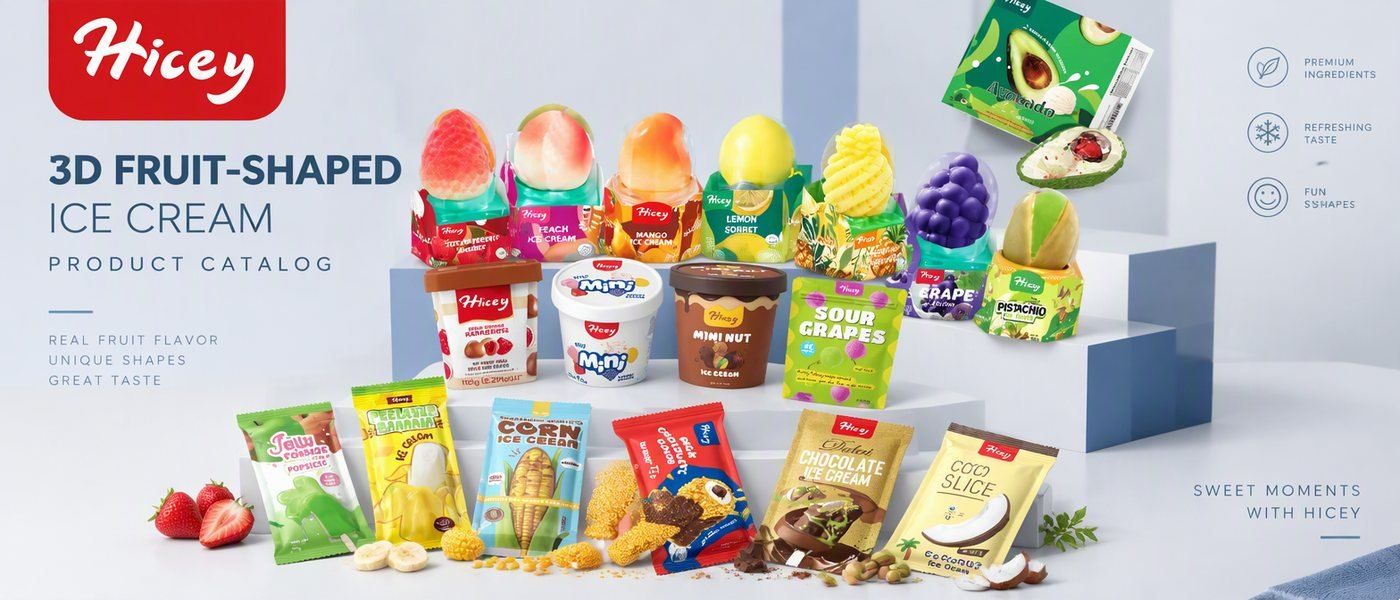
Stock packaging has no print minimum and suits a pure sell-through test. Custom packaging makes the product yours but sets the true floor of the order, since packaging is printed in minimum runs. Many importers test with stock packs in a mixed container and print their own for the second order.
Why packaging choices matter for a first trial order
For a first container import, packaging is not just an aesthetic decision; it dictates your initial financial exposure and minimum order quantities. Stock packaging uses ready-made factory designs, allowing importers to test market reception without upfront plate and printing costs. Custom-printed packaging establishes your brand identity on the shelf right away, but it ties your initial volume to the minimum run limits of print suppliers.
Understanding the operational differences between stock and custom packaging helps you balance market validation with brand building.
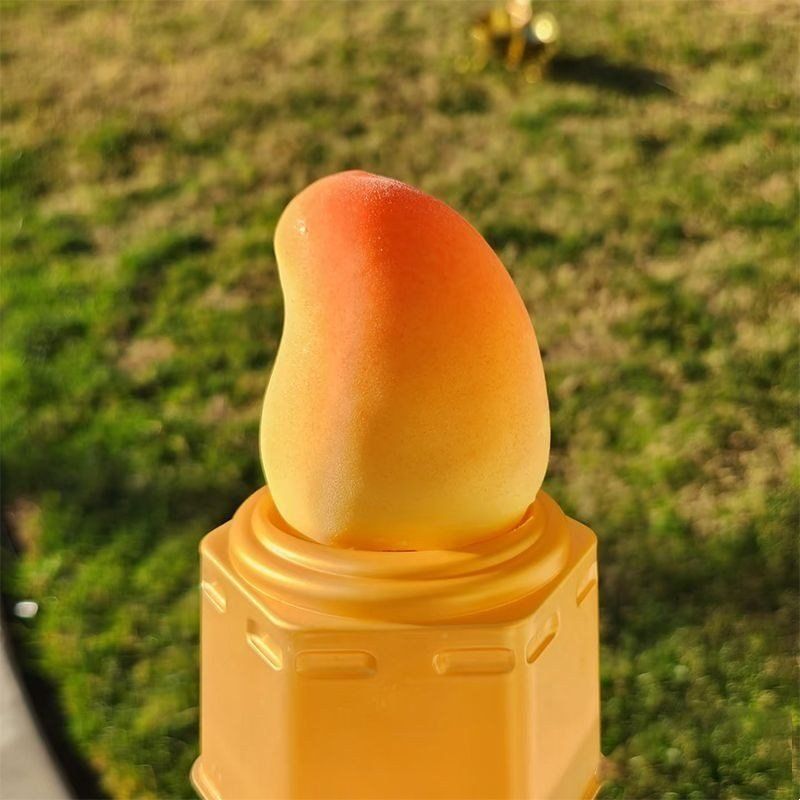
What are the core differences between stock and custom packaging?
| Comparison Dimension | Factory's Stock Packaging | Custom-Printed Packaging |
|---|---|---|
| Minimum Order Quantity | Tied only to standard product MOQ (e.g., mixed containers) | Subject to packaging run minimums (e.g., 600 boxes for custom packs) |
| Upfront Cost | Zero plate fees or design setup charges | Includes printing setup and cylinder charges |
| Speed to Market | Immediate availability from existing production runs | Requires design approval and trial print runs |
| Market Validation Role | Ideal for testing flavor movement and consumer response | Best for established distribution or exclusive private labels |
How does the 600-box rule affect custom packaging?
When importers opt for customized packaging—such as multi-language boxes or GS1 barcodes—production is governed by packaging supplier constraints. As outlined in operational guidelines, custom packaging runs typically start at 600 boxes, primarily driven by minimum print run requirements set by material converters.
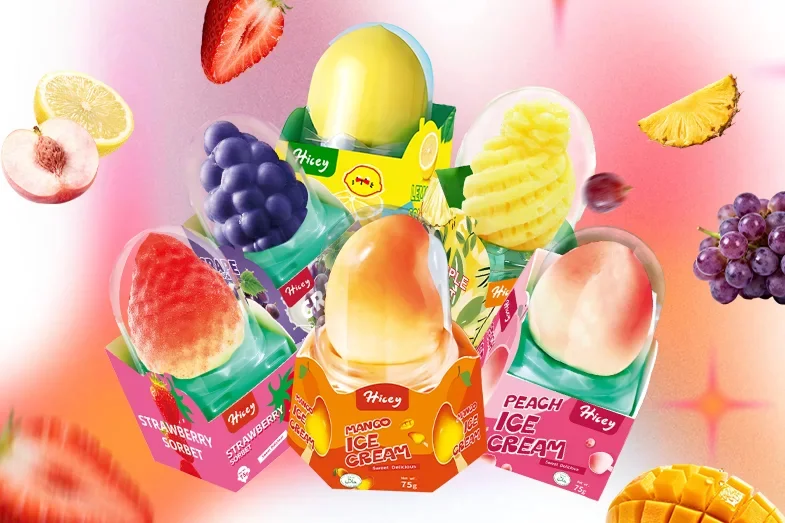
If your initial trial order involves a mixed container of various 3D fruit-shaped ice cream items, using stock packaging for the first shipment allows you to evaluate regional consumer preferences without committing to large printing batches.
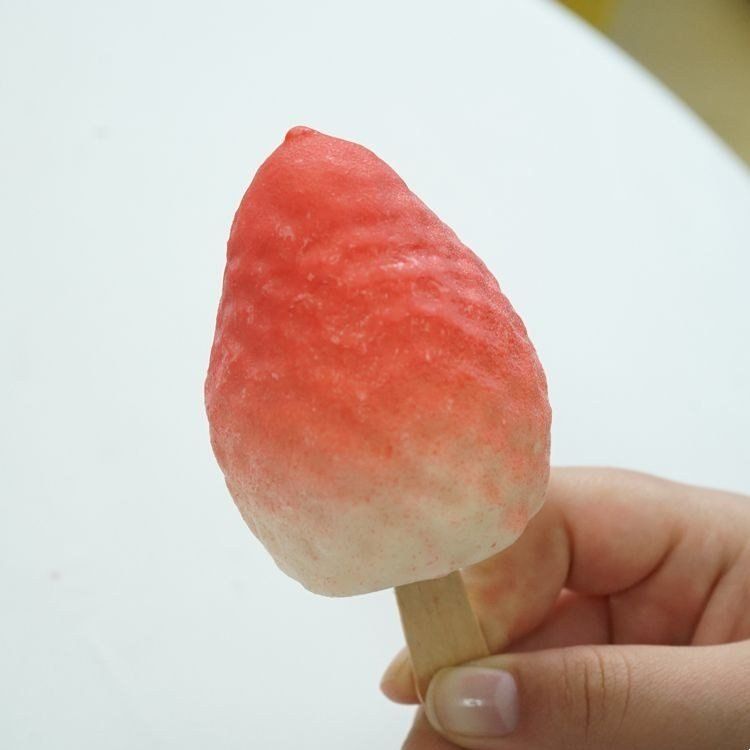
When should you transition to custom packaging?
Many experienced importers use a phased approach. They initiate their maiden import with factory stock packaging inside a mixed container to verify logistics, customs clearance, and sell-through velocity in target retail channels. Once the core SKU performance is confirmed, they transition to custom-printed packaging for their second or third reorder.
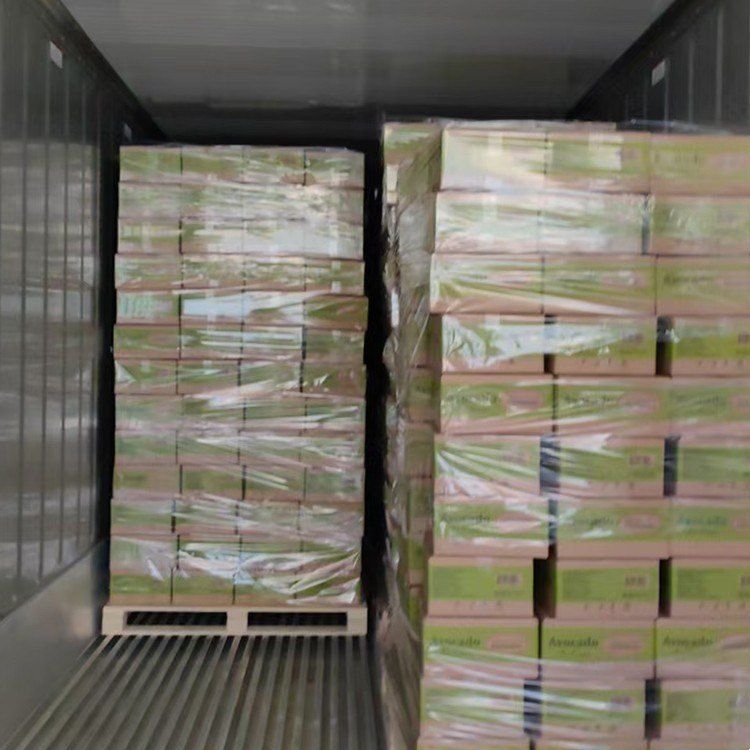
This sequencing protects your working capital while ensuring that brand-specific investments are backed by proven sales data.
FAQ
Can I mix stock-packaged items and custom items in the same reefer container? Yes. Importers frequently utilize mixed containers to test multiple flavor profiles or packaging configurations without overcommitting volume to a single SKU.
What is the typical lead time difference between stock and custom packaging orders? Stock packaging orders rely on existing production schedules, whereas custom-printed packaging requires plate setup and pre-production checks, typically adding several days to the initial preparation phase.
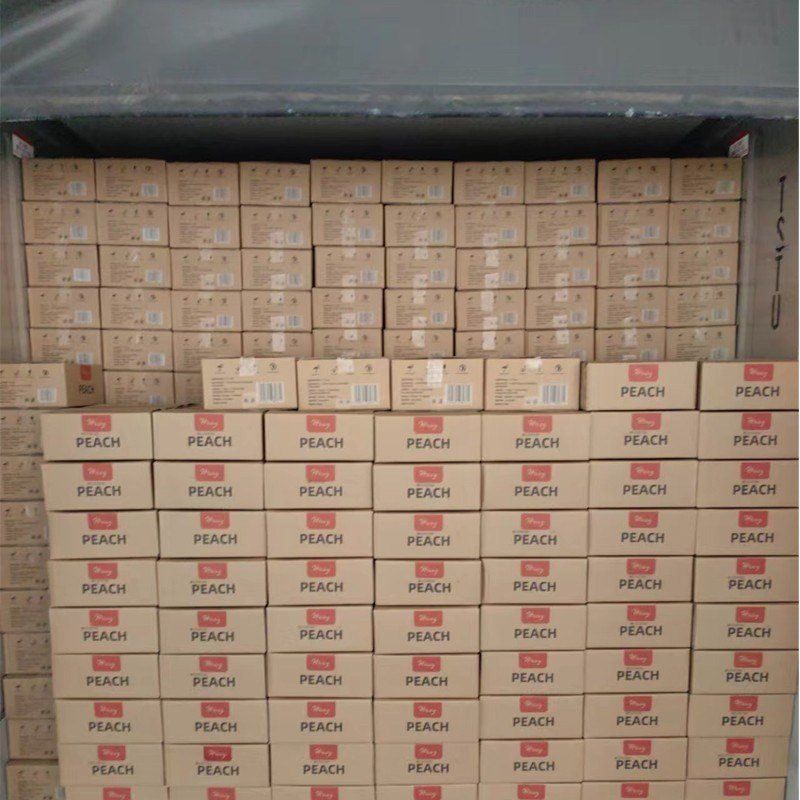
Shared by the cross-border fulfillment team at Hicey, the export brand of Beijing Youshare Food Co., Ltd. We provide 3D molded ice cream solutions with clear operational benchmarks, including an estimated 20-working-day production schedule once orders are confirmed. Inquiries and technical questions are always welcome in the comments.
#Tag #IceCreamImport #SupplyChain #PrivateLabel #B2BLogistics
Product super fit, quick contact unlock exclusive program


looking for more infermatien?
Tel+Whatsapp:
Address: Yard 8, Fuze Road ,Fangshan District.Beijing, China
610 Zhonghai International Plaza, LicangDistrict, Qingdao, Shandong, China