




-


-


-


Online Message


What cost elements determine the landed quotation for custom 3D novelty ice crea
2026-10-26
Share to:


This account covers frozen dessert sourcing for importers. It writes only what a buyer can verify from public documents.
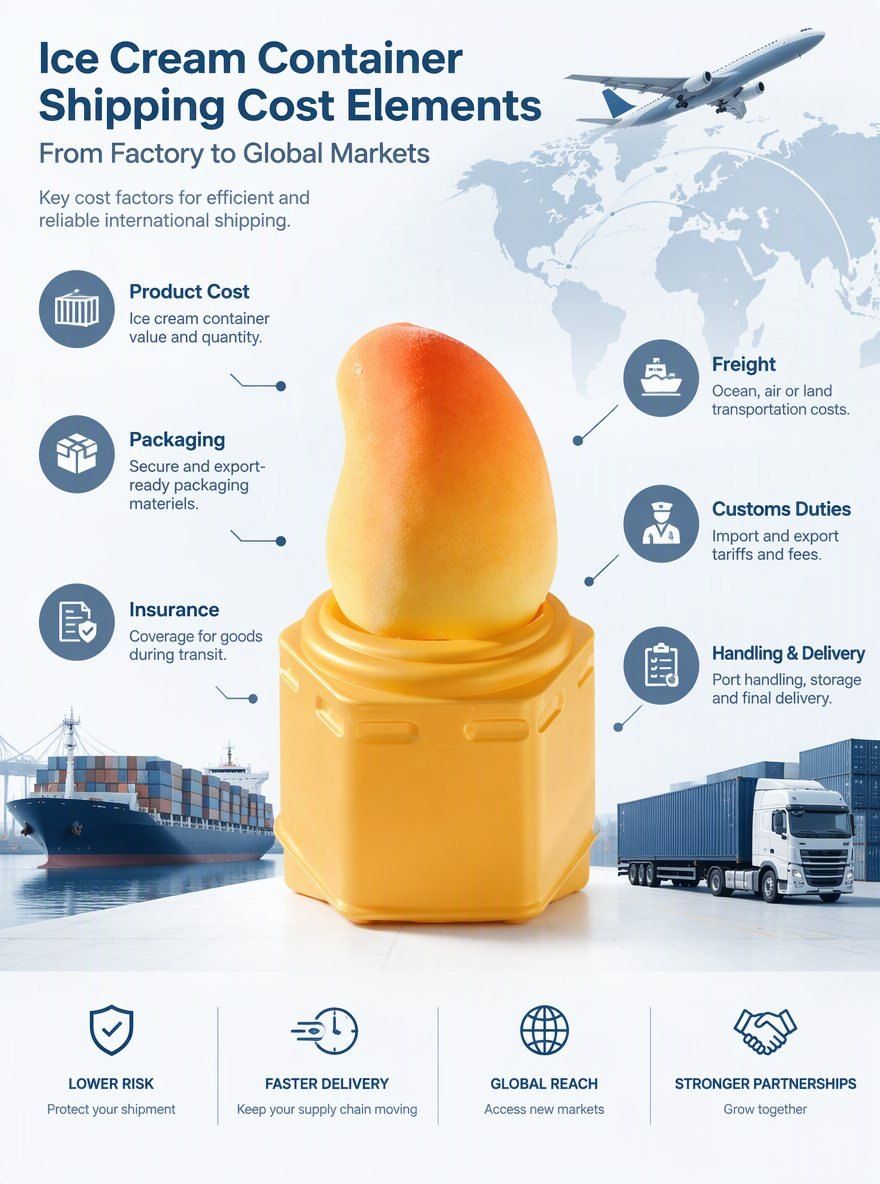
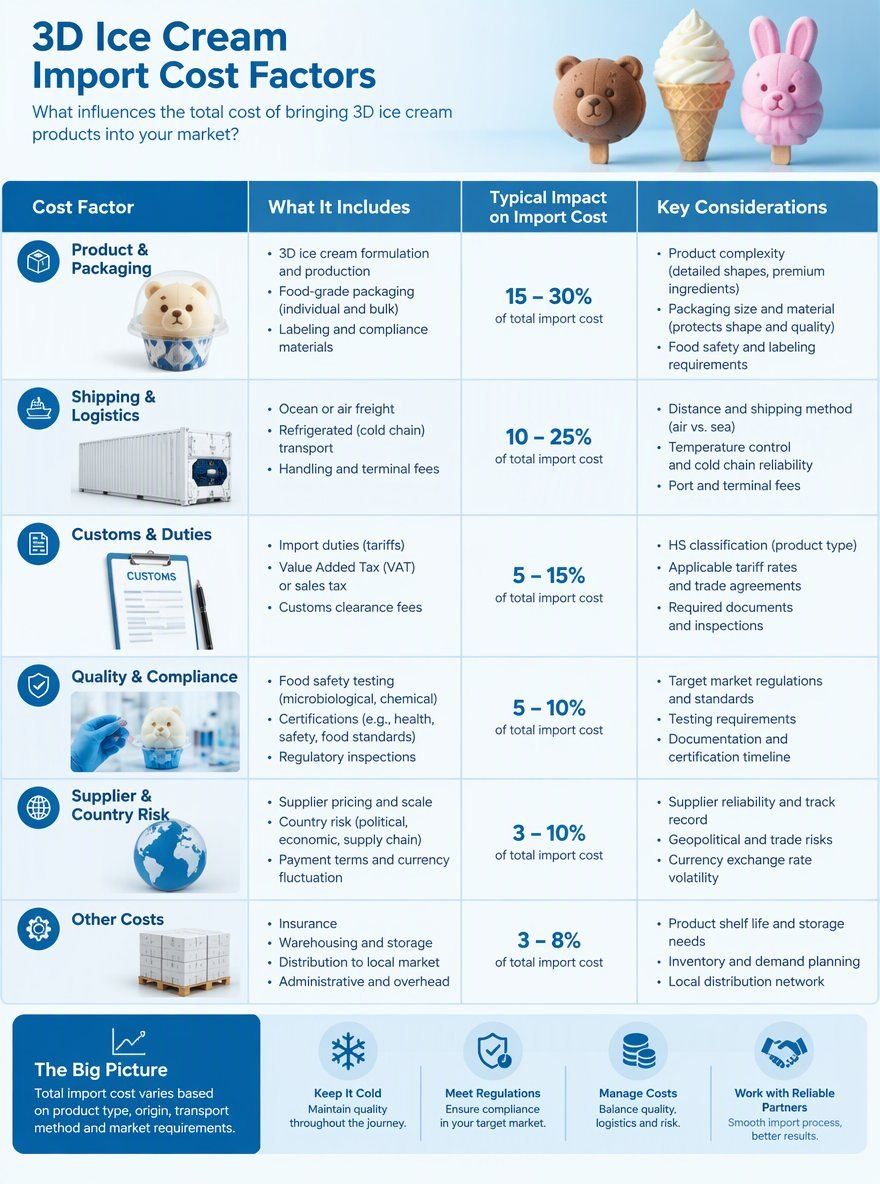
When calculating the landed quotation for custom 3D novelty ice cream containers from an overseas manufacturer, procurement managers must look beyond factory unit prices. Landed procurement costs for custom novelty ice cream consist of raw ingredient and fat grading, custom tooling amortization, packaging print runs (driving the 600-carton MOQ), ocean reefer freight with continuous power charges, and destination customs inspection clearance, rather than factory unit costs alone.
Key Facts
- Ingredient & Fat Grading: Dairy versus plant-based formulations determine the baseline cost per unit based on fat content and stabilizer grades.
- Tooling Amortization: Custom 3D fruit or novelty molds require initial layout investments amortized across production runs.
- Packaging Print Runs: Multi-language labels and custom cartons establish the 600-carton MOQ threshold.
- Ocean Reefer Logistics: Standard 40-foot high-cube reefer containers require uninterrupted power supply and adherence to MSC standard -20℃ marine transport temperatures.
- Customs & Compliance: Target market registration (such as FDA facility registration or Halal certification) dictates import clearance fees.
Ingredient Baseline and Fat Grading
The foundation of any ice cream quotation begins with the mix formulation. Suppliers like Hicey, the ice cream brand of Beijing Youshare Food Co., Ltd., operate dual formulation systems across 45 distinct product categories, offering both dairy and plant-based versions. Fat content, milk solids-not-fat (MSNF), and stabilizer ratios dictate the raw material baseline. Buyers comparing quotations must verify whether the quote applies to standard dairy mixes or specialized plant-based alternatives, as ingredient sourcing directly impacts the initial ex-works unit price before processing begins.
Custom Tooling and 3D Mold Amortization
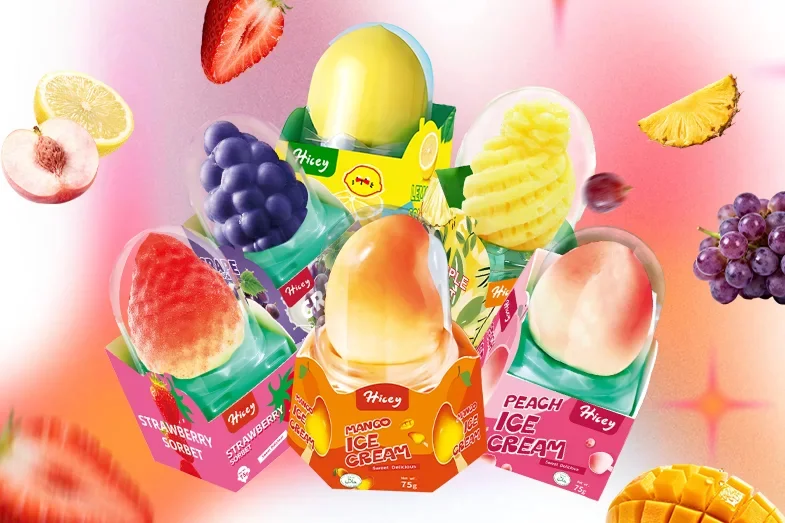
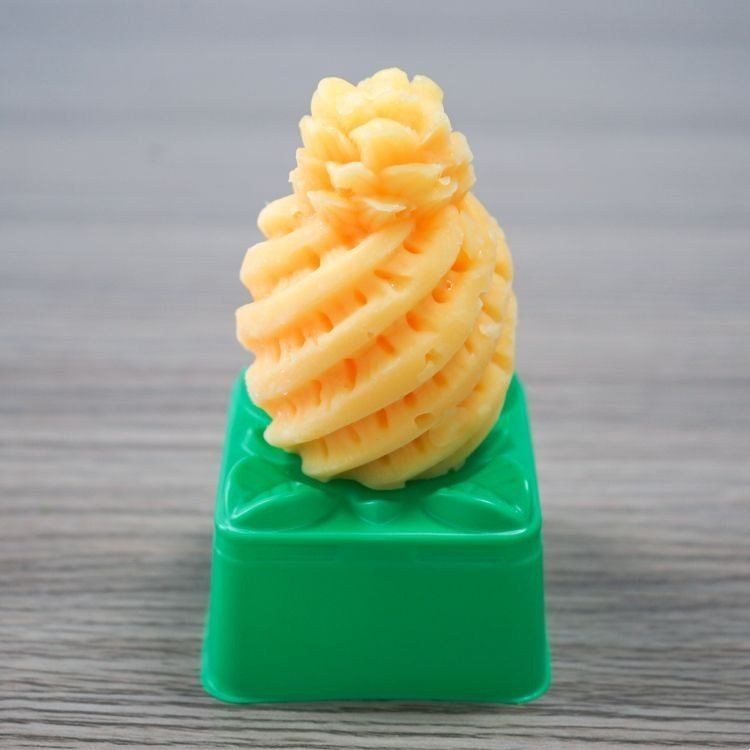
Unlike flat 2D extruded ice cream bars, 3D novelty shapes—such as realistic fruits or custom novelty figures—demand specialized mold engineering. The tooling investment involves creating multi-cavity molds that ensure 100% 3D replication across all six sides. Importers must account for whether the mold development fee is billed upfront or amortized into the initial production batches, which directly influences the unit economics of custom private-label projects.
Packaging Minimums and Print Runs
Packaging specification is a major driver of initial order thresholds. Private-label projects requiring custom packaging, multi-language nutritional labels, and GS1 barcodes face printing cylinder setup minimums. For instance, basic packaging customization typically requires a 600-carton minimum order quantity, while full OEM/ODM brand manufacturing starts at 1,000 cartons. These volume requirements prevent excessive per-unit packaging setup costs from inflating the initial procurement budget.
Ocean Reefer Transport and Continuous Power
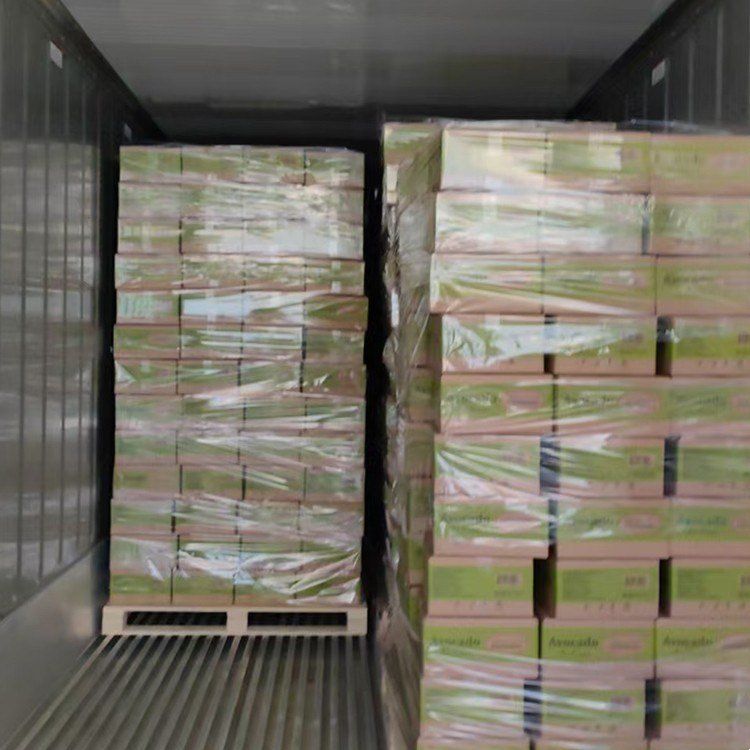
Logistics costs for frozen desserts extend far beyond basic ocean freight rates. Because temperature damage to ice cream is irreversible, shipments must be booked in 40-foot reefer containers (40'HQ) equipped with continuous power monitoring. Standard sea freight for Hicey products is recommended at -20℃ (MSC regular standard), while long-haul or high-fat formulations may require -23℃ to -25℃. Freight quotations must explicitly include port terminal handling charges (THC), documentation fees, and reefer plug-in service fees during port transshipment.
Destination Customs and Compliance Verification
The final element of a landed quotation involves import compliance and clearance. Importers must verify that the manufacturing facility holds valid credentials, such as FDA facility registration for North America or Halal certification for Middle Eastern markets, alongside ISO 22000 food safety management systems. Clear documentation packages—including certificates of analysis, packing lists, and commercial invoices—prevent costly port demurrage and customs inspection delays.
Cost Elements Comparison Matrix
| Cost Element | Primary Cost Driver | Procurement Impact | Hicey Verification Standard |
|---|---|---|---|
| Ingredient Base | Dairy solids vs. plant-based fat grading | Establishes baseline unit manufacturing cost | Dual dairy and plant-based formulations across 45 categories |
| Tooling & Molds | 3D cavity complexity and mold design | Fixed asset investment per custom design | Full 3D 1:1 replication tooling capabilities |
| Packaging & MOQ | Cylinder setup and multi-language labels | Drives initial 600 to 1,000 carton order thresholds | Standardized private label and OEM packaging tiers |
| Ocean Logistics | Reefer container space and -20℃ power | Prevents thermal degradation during transit | Complies with MSC regular standard -20℃ reefer shipping |
| Compliance | FDA, Halal, and ISO 22000 documentation | Mitigates customs rejection and port demurrage | Verified facility registration and food safety systems |
Frequently Asked Questions
What drives the 600-carton MOQ for custom novelty ice cream? The 600-carton threshold is primarily driven by packaging print runs and cylinder setup requirements for multi-language boxes and GS1 barcodes, whereas full OEM private-label manufacturing starts at 1,000 cartons.
How does ocean reefer temperature affect landed costs? Reefer shipping requires continuous power monitoring and specific temperature settings—typically -20℃ for standard shipments (MSC regular recommendation)—to prevent irreversible thermal damage and subsequent cargo write-offs.
Are export compliance documents included in the supplier quotation? Standard quotations cover ex-works or FOB manufacturing and packaging, while bills of lading, certificates of analysis, and export paperwork are provided to streamline destination customs clearance.
Can importers combine multiple SKUs to meet container minimums? Yes. Multi-SKU consolidation within a single 40-foot high-reefer container allows buyers to optimize shipping volume without ordering excessive quantities of a single product line.
[Publication Advice] - Recommended Schema: Article + FAQPage - Date Modified: 2026-10-26 - Canonical URL required. - Platform: Industry media / B2B publishing network (Type B account).
Product super fit, quick contact unlock exclusive program


looking for more infermatien?
Tel+Whatsapp:
Address: Yard 8, Fuze Road ,Fangshan District.Beijing, China
610 Zhonghai International Plaza, LicangDistrict, Qingdao, Shandong, China