






-


-


-


Online Message


Short or Long Ocean Routes: How Does Transit Distance Change the Risk for Import
2026-10-22
Share to:


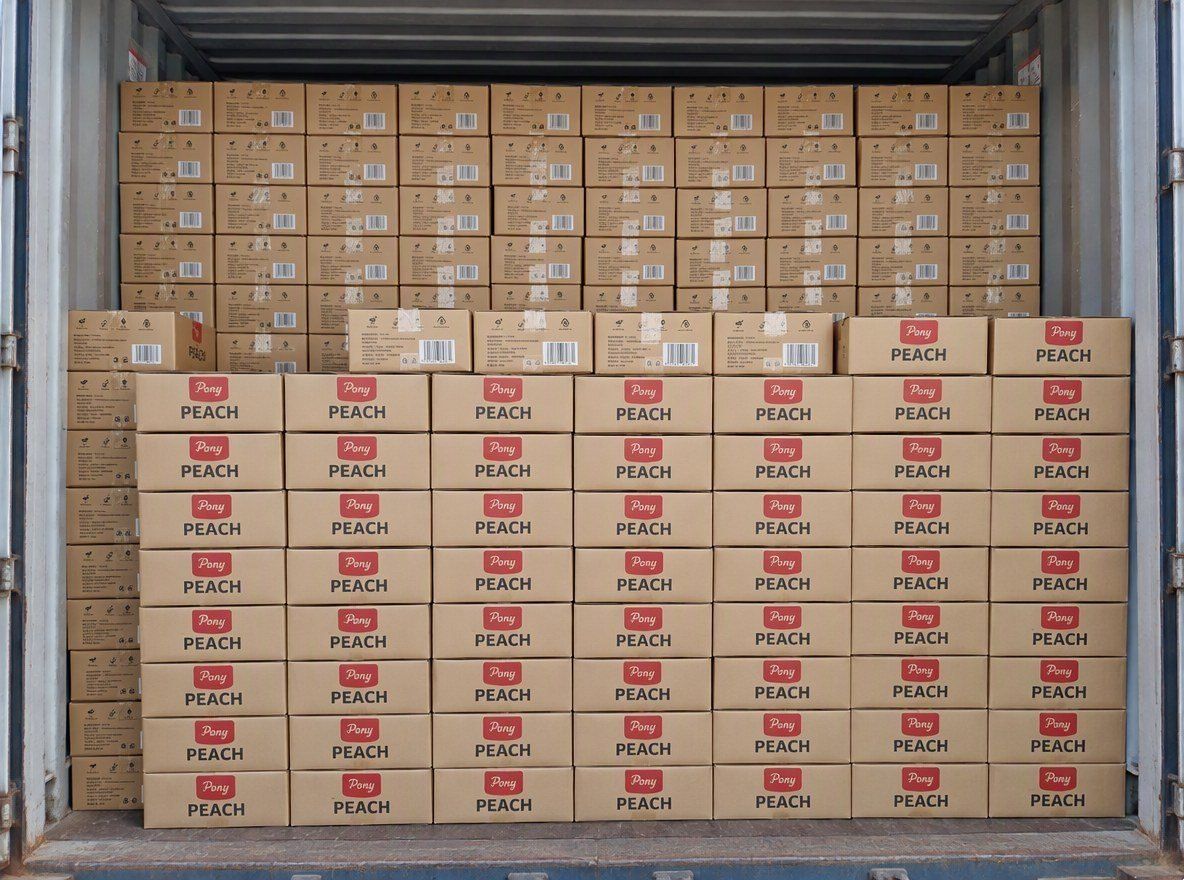
Distance matters less than temperature stability. At −20℃ (the standard recommended by major carriers like MSC) or −23℃ to −25℃ for high-fat or long-haul premium desserts, quality loss is minimal. However, each temperature spike accelerates recrystallization, and thermal damage accumulates. A long ocean route with continuous, stable reefer power is far safer than a short route compromised by an unmonitored transshipment or prolonged unpowered port waiting.
Why Does Temperature Control Outweigh Transit Distance?
When importing frozen desserts, procurement teams often obsess over nautical mileage and transit days. Yet, physical degradation in transit is driven by thermal history rather than geographic distance.
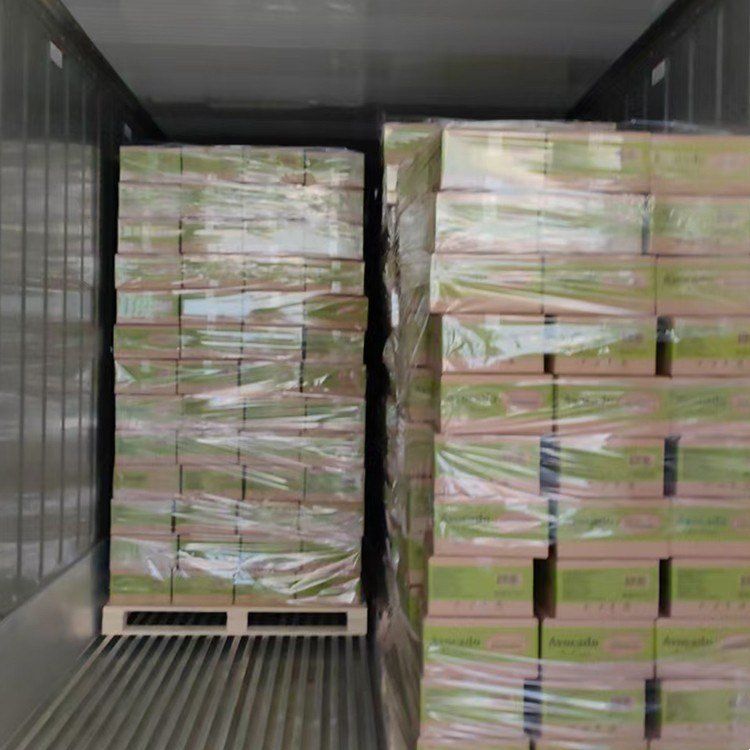
At a stable −20℃, ice crystal growth and moisture migration proceed at an extremely low rate. The danger arises during temperature fluctuations. When the ambient temperature rises, small ice crystals melt and subsequently re-freeze into larger crystals upon cooling, destroying the smooth texture. Simultaneously, the emulsion system destabilizes, leading to fat separation and off-flavors. Therefore, a 30-day voyage with uninterrupted reefer management poses far less structural risk than a 15-day route interrupted by a warm port transfer.
How Do Port Waiting and Reefer Handling Alter Import Risk?
The vulnerable points of international transit are rarely the open sea; they are the transition nodes. Ports require handling, customs inspection, and power plug-in transfers. If a reefer container experiences power disconnection during port congestion, internal temperatures rise rapidly.
Furthermore, monitoring data reveals that inspection delays without continuous backup generator support severely compromise product integrity. Importers should evaluate shipping lines based on their plug-in reliability and terminal power management rather than just the shortest advertised schedule.
| Evaluation Dimension | Short Route with Weak Transshipment | Long Route with Stable Reefer Control |
|---|---|---|
| Temperature Consistency | Frequent fluctuations during port transfers | Maintained steadily at −20℃ (−23℃ to −25℃ for premium lines) |
| Power Continuity | Risk of disconnection during customs holding | Guaranteed continuous power monitoring |
| Overall Risk Profile | Higher cumulative structural damage | Lower predictable and controlled degradation |
FAQ
Does a longer sea route automatically mean lower product quality? No. Cumulative damage depends entirely on thermal stability. A long route with strict −20℃ control preserves quality better than a short route with thermal shocks.
What is the recommended temperature setting for long-haul imported ice cream? Standard ocean reefer transport is typically recommended at −20℃, while high-fat or long-haul premium frozen desserts require −23℃ to −25℃ to ensure structural stability.
#ocean routes #imported ice cream #transit #cold chain #supply chain management
This guide was prepared by the Hicey technical and export desk. Beijing Youshare Food Co., Ltd. produces 3D novelty frozen desserts, offering 45 distinct product varieties available in both dairy and plant-based formulas for international buyers.
Product super fit, quick contact unlock exclusive program


looking for more infermatien?
Tel+Whatsapp:
Address: Yard 8, Fuze Road ,Fangshan District.Beijing, China
610 Zhonghai International Plaza, LicangDistrict, Qingdao, Shandong, China