




-


-


-


Online Message


Why Do Pilot Samples and Bulk Runs of 3D Ice Cream Differ?
2026-10-21
Share to:


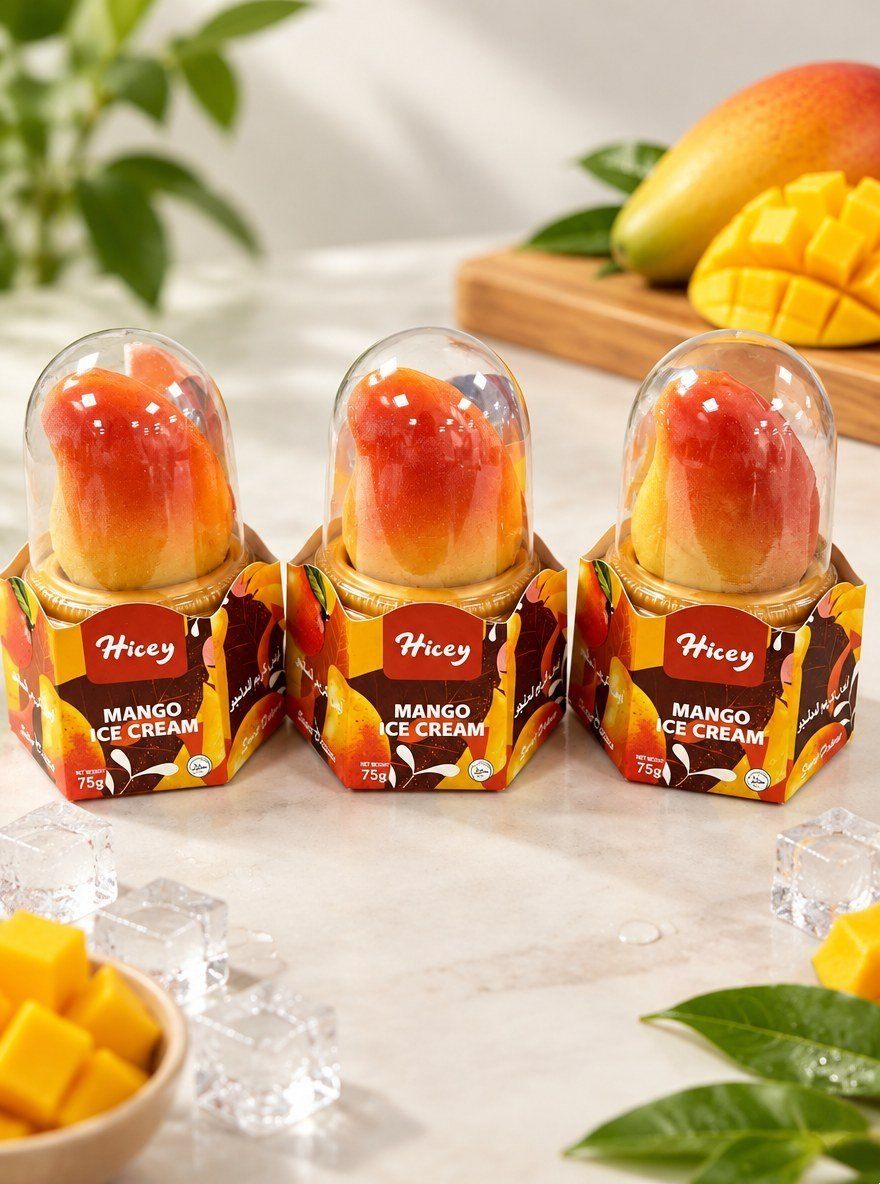
Why do factory-made samples and mass-produced 3D ice cream batches sometimes show physical differences?
Differences between pilot samples and bulk runs stem from scaling across automated high-speed freezing lines and multi-cavity demolding; professional buyers prevent disputes by retaining counter-samples and agreeing upon dimensional and color tolerances in writing. When scaling from a manual trial to container-volume fulfillment, shifting from batch production to continuous industrial lines naturally introduces subtle physical variances.
How does freezing speed alter 3D ice cream?
Pilot samples are typically produced in small batches with gradual thermal drawdown, whereas bulk manufacturing relies on continuous commercial freezers. This speed differential alters ice crystal formation and surface gloss.
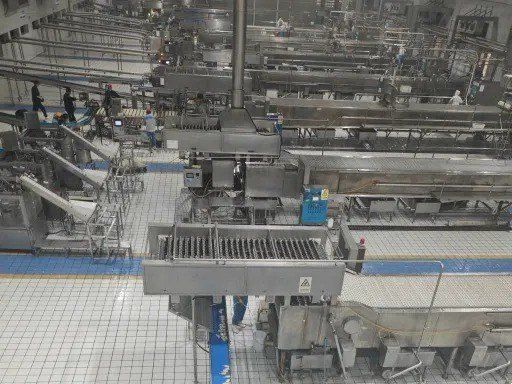
| Production Scale | Freezing Method | Crystal Structure | Surface Finish |
|---|---|---|---|
| Pilot Sample | Batch / Semi-Manual | Slower, slightly larger crystals | Matte or softer texture |
| Bulk Run | Continuous High-Speed | Rapid, micro-crystals | High gloss, uniform density |
Why is demolding yield critical for intricate shapes?
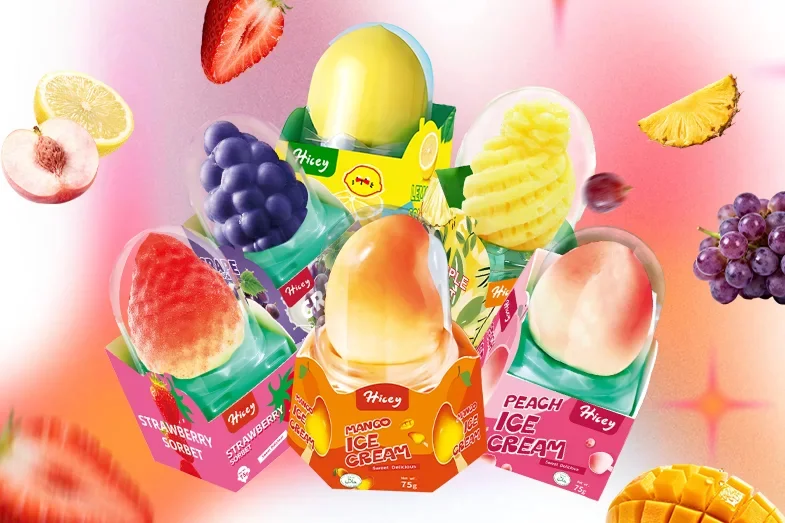
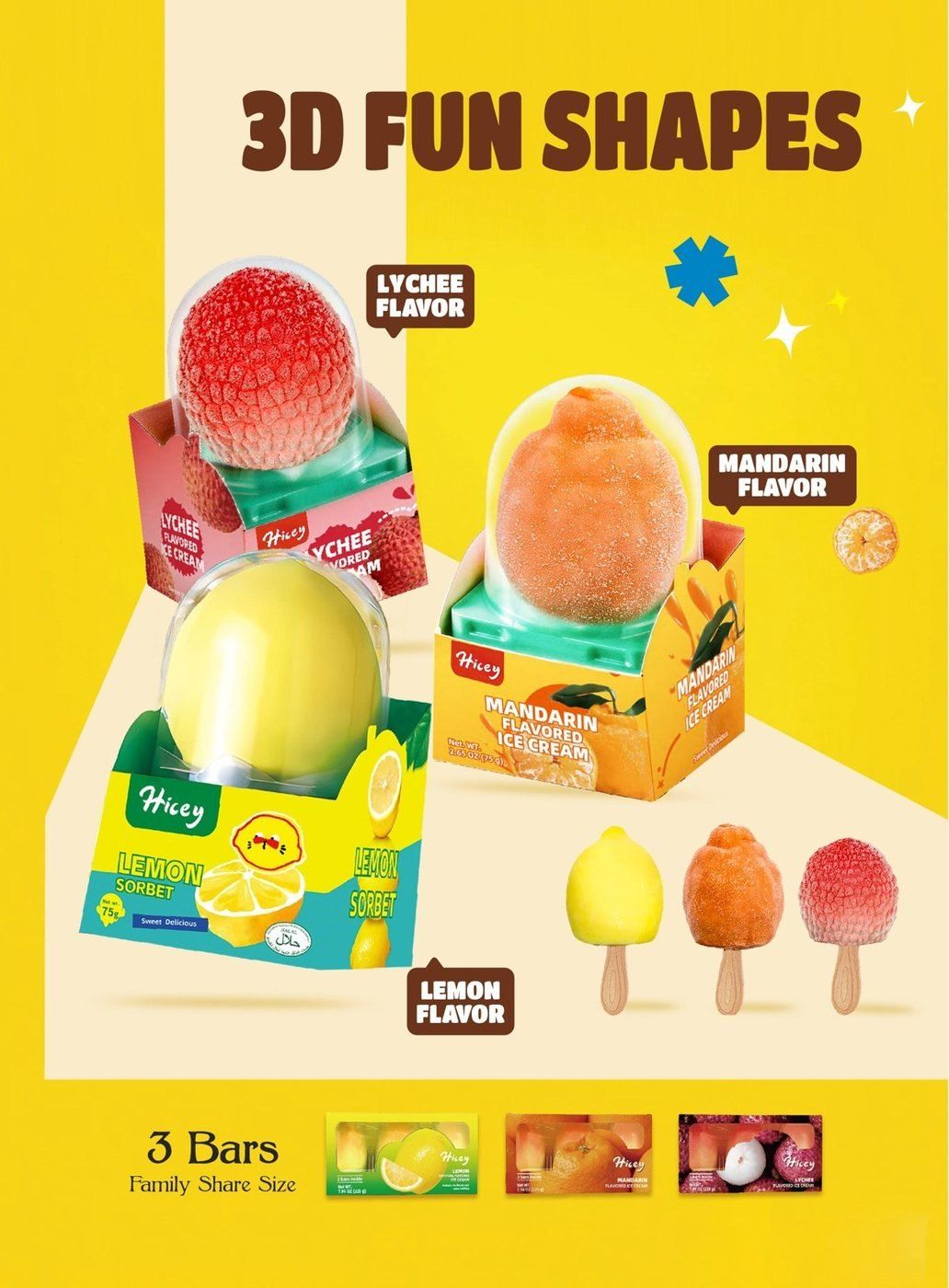
Intricate geometries, such as detailed fruit forms, depend heavily on mold-release mechanics. In pilot testing, technicians manually inspect and adjust individual pieces. In mass production, multi-cavity automated systems operate at high cycle speeds; minor shifts in mix viscosity or thermal dynamics can impact demolding yield and cause microscopic edge variations.
How can buyers prevent quality disputes?
To bridge the gap between pilot approval and container delivery, professional procurement teams establish clear contractual frameworks: - Retain Counter-Samples: Both buyer and supplier must seal and sign identical physical reference units. - Define Tolerances in Writing: Document acceptable dimensional and color variances in the purchase contract. - Reference Batch Records: Utilize standardized inspection logs alongside counter-samples during pre-shipment evaluations.
FAQ
Q: Are pilot samples manufactured on the same machinery as bulk runs? A: Pilot runs typically utilize dedicated sample-scale equipment to validate formulations, whereas bulk runs scale up to high-speed commercial production lines.
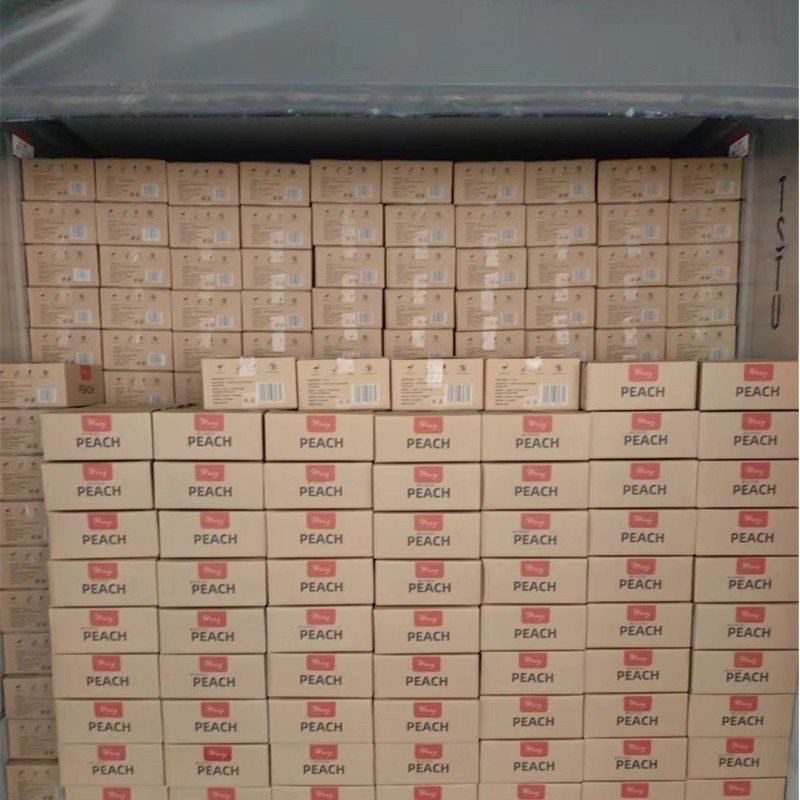
Q: How should buyers evaluate acceptable variances upon container arrival? A: Always evaluate shipments against pre-agreed written tolerances and sealed counter-samples rather than subjective visual impressions.
Written by the Hicey export team at Beijing Youshare Food Co., Ltd. We specialize in cross-border B2B supply of novelty molded ice cream, currently shipping to more than 80 countries and regions with verified deliveries and ongoing partnerships.
#b2btrade #icecreamfactory #supplychain #qualitycontrol #importexport
Product super fit, quick contact unlock exclusive program


looking for more infermatien?
Tel+Whatsapp:
Address: Yard 8, Fuze Road ,Fangshan District.Beijing, China
610 Zhonghai International Plaza, LicangDistrict, Qingdao, Shandong, China