







-


-


-


Online Message


Factory near a port or factory inland: does distance matter for exported ice cream?
2026-10-21
Share to:


It matters through the cold chain. Every hour before loading is time at risk, and −18℃ must hold from plant to vessel; damage from temperature rise is cumulative and cannot be undone. Ask how product moves to the port and who is responsible until loading under your trade term.
Does factory location affect export risk?
For an exported ice cream supply chain, the distance between the production plant and the departure port introduces a distinct logistical variable. When evaluating overseas suppliers, procurement professionals frequently debate whether an inland facility or a port-side facility offers superior reliability.
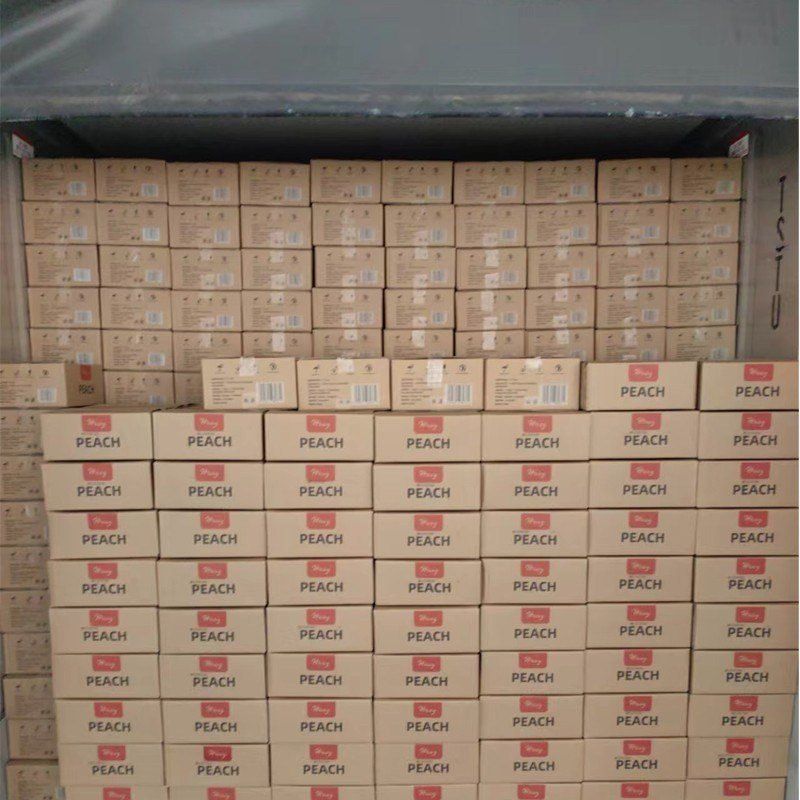
The core issue is not simply the geographic mileage, but the duration and control of the cold chain before ocean freight begins. Frozen desserts have zero tolerance for temperature fluctuations, making pre-loading transit a critical audit point.
Why does every hour before loading matter?
Maintaining a strict −18℃ environment is vital because temperature damage in frozen confectionery is cumulative and irreversible.
According to industry cold chain standards (D06-2-4-001, D06-2-4-002), if product temperatures rise during inland transit, the formation of ice crystals damages the product's internal structure, leading to texture degradation and structural collapse upon arrival.
| Factor | Inland Factory Logistics | Port-Side Factory Logistics |
|---|---|---|
| Transit Duration | Longer pre-port trucking hours | Shorter transfer time to terminal |
| Risk Exposure | Higher exposure to highway delays | Minimized handling and transit window |
| Temperature Control | Requires rigorous real-time GPS/temp logging | Direct transfer reduces thermal fluctuation |
How should you evaluate trade terms and transit responsibility?
When sourcing exported ice cream, logistics responsibility depends heavily on the agreed trade term.
Under standard export arrangements, the supplier or logistics partner must guarantee that refrigerated trucking maintains continuous −18℃ monitoring throughout the journey. For instance, experienced manufacturers like Hicey coordinate strict reefer transport protocols to bridge the gap between production lines and ocean containers.
Buyers should specifically ask: - How is the product transferred from the plant to the container freight station? - Who assumes operational liability if highway congestion delays the reefer truck?
FAQ
Does a port-side factory completely eliminate cold chain risks? No. While it reduces transit time, proper pre-cooling of the container, correct loading practices, and continuous temperature logging remain mandatory regardless of distance.
This guide was prepared by the Hicey technical and export desk. Beijing Youshare Food Co., Ltd. produces 3D novelty frozen desserts, offering 45 distinct product varieties available in both dairy and plant-based formulas for international buyers.
#tags #ColdChain #IceCreamExport #SupplyChainLogistics #FoodSafety
Product super fit, quick contact unlock exclusive program


looking for more infermatien?
Tel+Whatsapp:
Address: Yard 8, Fuze Road ,Fangshan District.Beijing, China
610 Zhonghai International Plaza, LicangDistrict, Qingdao, Shandong, China