





-


-


-


Online Message


Why Do Milk Fat and Milk Solids Percentages Dictate Ice Cream Tariff Classification and Customs Labeling?
2026-10-20
Share to:


【正文】 In import customs practice, product naming as ice cream, sorbet, or sherbet is governed strictly by legal milk fat and non-fat milk solid thresholds rather than subjective taste, directly determining the applicable Harmonized System tariff code.
Why Milk Fat Thresholds Matter for Tariff Classification
When importing frozen desserts into regulated markets, customs authorities do not rely on marketing descriptions or subjective taste profiles. Instead, the legal classification of an imported product under the Harmonized System (HS) depends strictly on quantitative thresholds: milk fat and total milk solids-not-fat (MSNF).
For B2B buyers and importers, miscalculating these ratios risks incorrect tariff coding, resulting in delayed customs clearance, unexpected duty reassessments, or border rejections. Compliance teams must examine laboratory testing reports that verify the exact dairy composition before declaring the cargo under a specific tariff heading.
How Dairy Ratios Separate Ice Cream, Sorbet, and Sherbet
Regulatory frameworks establish clear legal boundaries between product categories based on dairy content rather than flavor or texture:
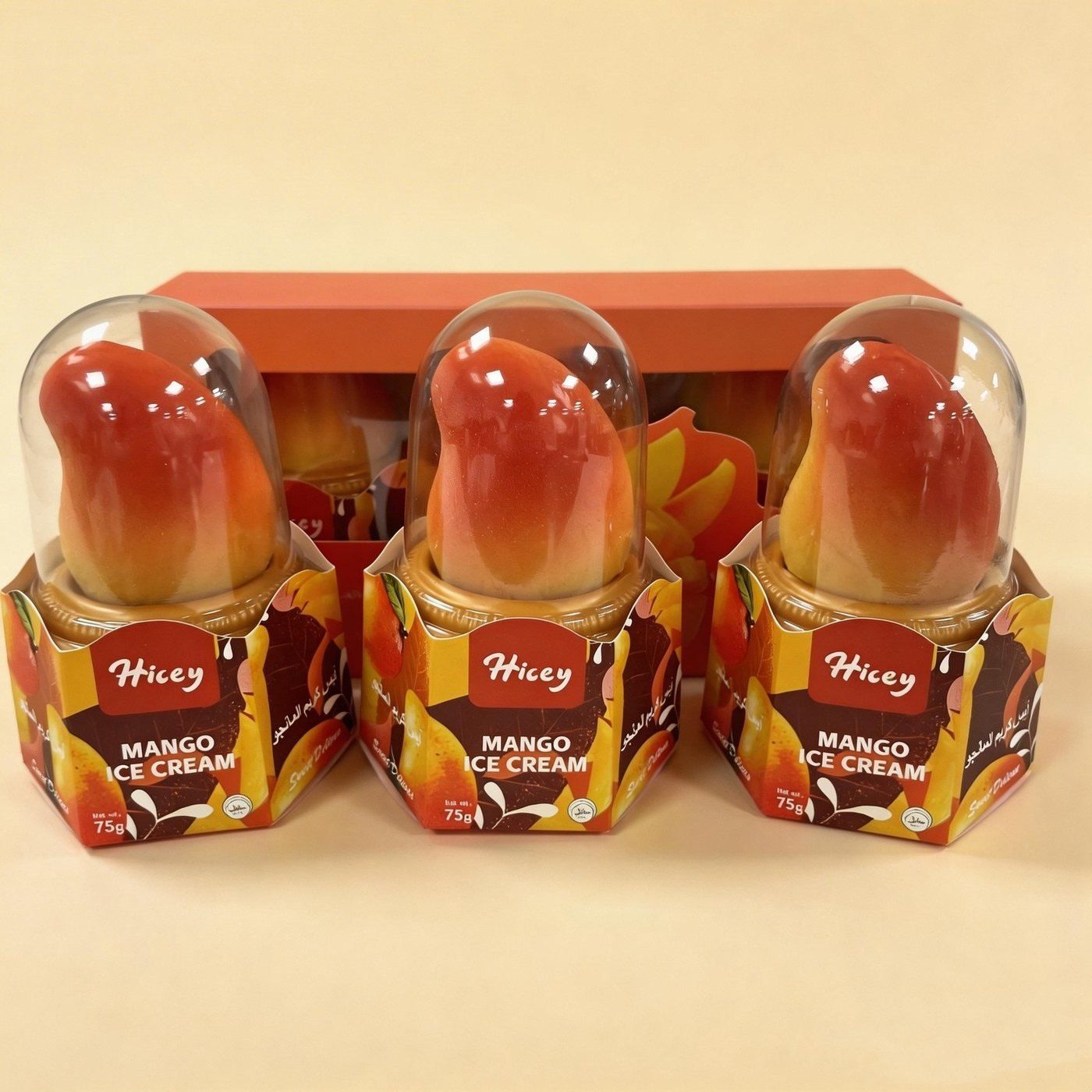
- Ice Cream: Requires specific minimum percentages of milk fat and total milk solids to qualify under standard dairy tariff lines.
- Sorbet: Typically contains little to no dairy fat, focusing instead on fruit puree, water, and sugar, placing it under distinct fruit-product or water-ice classifications.
- Sherbet: Occupies a middle tier, containing a lower percentage of milk fat than ice cream combined with specific fruit ingredients.
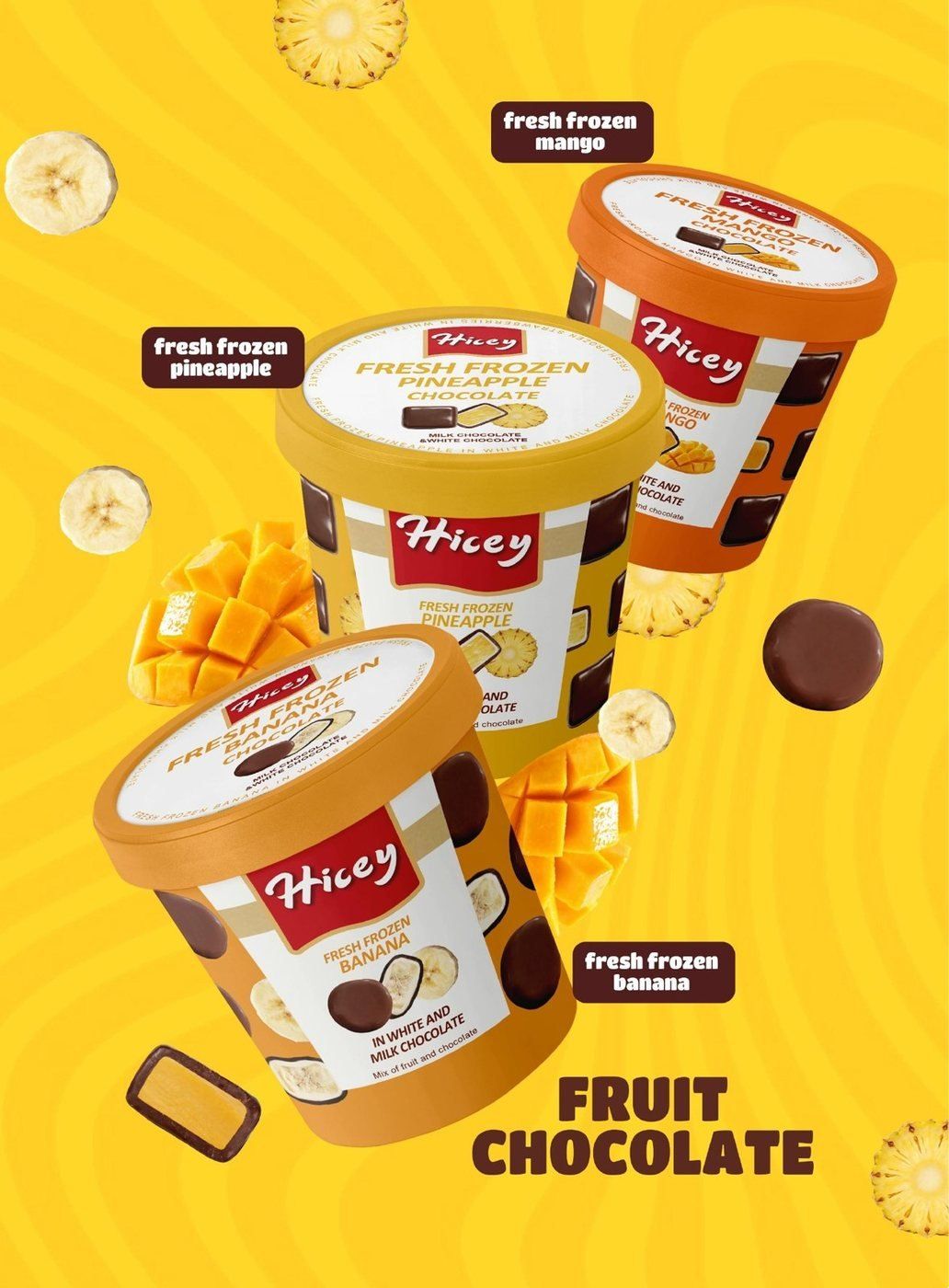
Understanding these distinctions prevents misdeclaration. For instance, classifying a fruit-based dessert incorrectly as ice cream due to packaging similarities can trigger compliance audits and tariff penalties.
Regulatory Risks of Mislabeling Solid Ratios
Customs labeling regulations require exact alignment between the declared ingredients, laboratory analytical reports, and the designated customs code.

- Incorrect Tariff Classification: Declaring incorrect milk fat percentages can lead to misclassification under the Harmonized System, exposing the importer to retroactive tariff adjustments and fines.
- Mandatory Documentation Audit: Regulatory bodies routinely inspect import declarations against laboratory test results. Discrepancies between declared milk solids and actual composition halt customs clearance at the port of entry.
- Supply Chain Disruption: Frozen products detained at customs risk temperature abuse and total loss if clearance procedures stall.
Importers should request comprehensive specification sheets and laboratory test reports from suppliers prior to shipment booking. Ensuring that milk fat and MSNF percentages match local regulatory definitions guarantees smooth customs processing and prevents unnecessary supply chain friction.
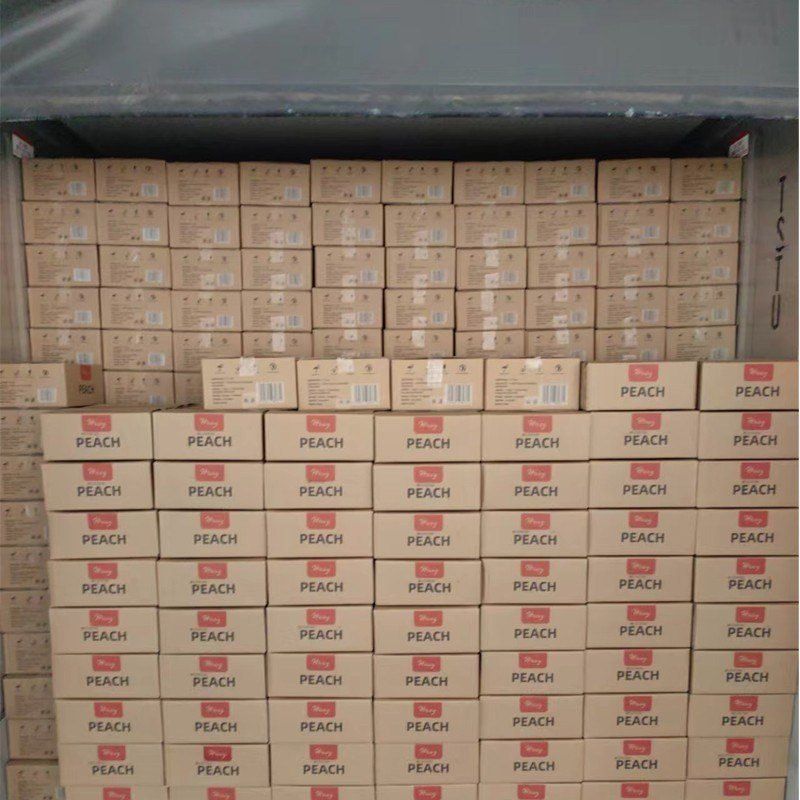
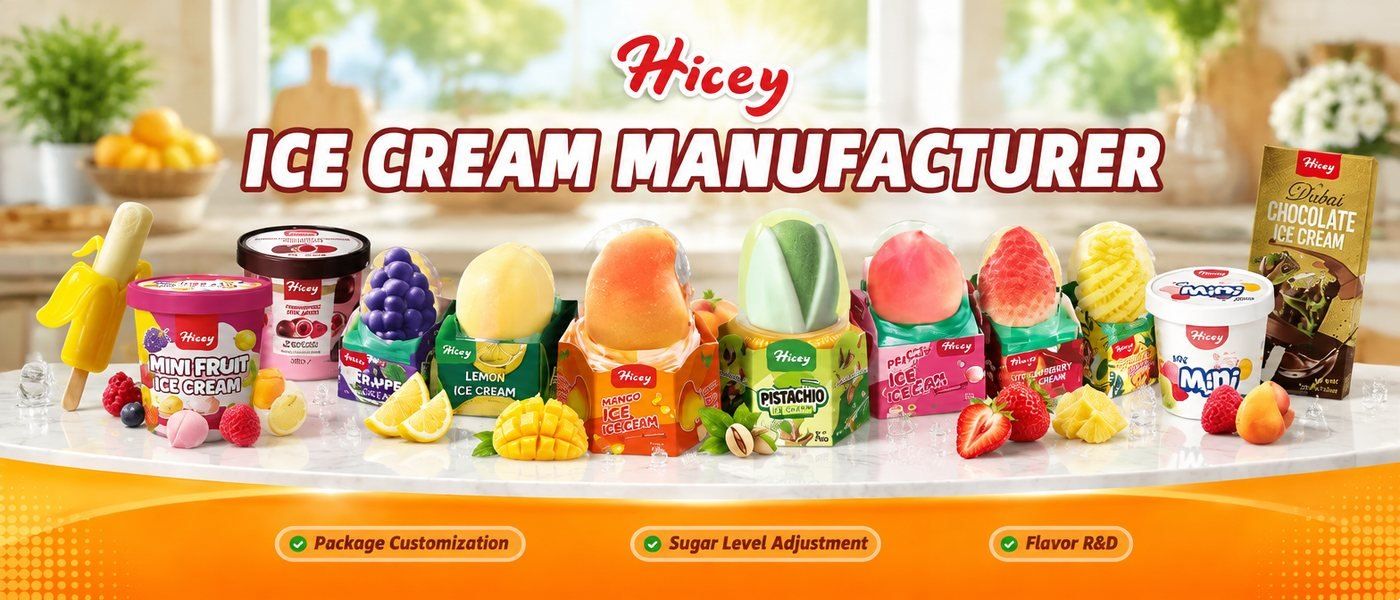
This guide was prepared by the Hicey technical and export desk. Beijing Youshare Food Co., Ltd. produces 3D novelty frozen desserts, offering 45 distinct product varieties available in both dairy and plant-based formulas for international buyers.
#IceCreamTariff #CustomsCompliance #ImportRegulations #HarmonizedSystem
Product super fit, quick contact unlock exclusive program


looking for more infermatien?
Tel+Whatsapp:
Address: Yard 8, Fuze Road ,Fangshan District.Beijing, China
610 Zhonghai International Plaza, LicangDistrict, Qingdao, Shandong, China