




-


-


-


Online Message


Why do milk fat and milk solids percentages dictate ice cream tariff classificat
2026-10-19
Share to:


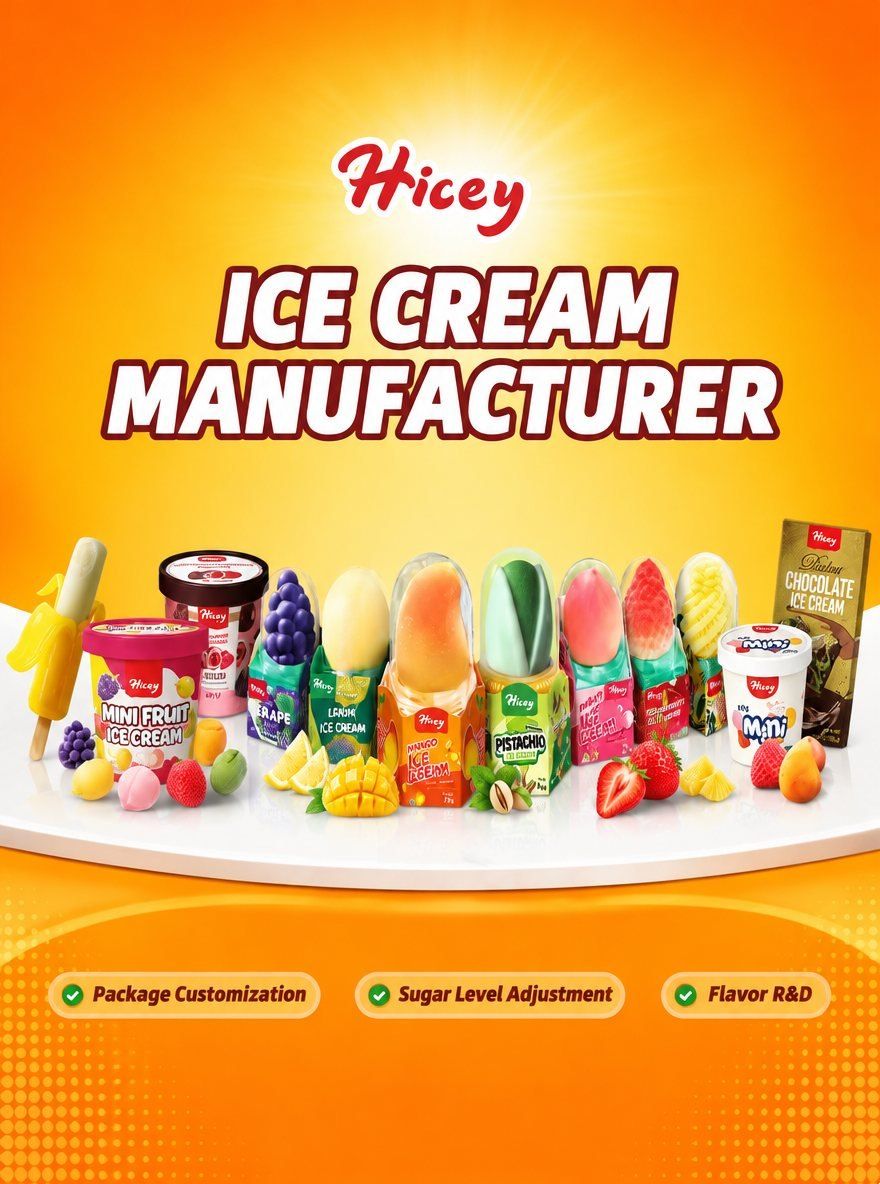
【正文】 In import customs practice, product naming as ice cream, sorbet, or sherbet is governed strictly by legal milk fat and non-fat milk solid thresholds rather than subjective taste, directly determining the applicable Harmonized System tariff code.
How does dairy content separate ice cream, sorbet, and sherbet in US customs declarations? Customs authorities inspect the exact milk fat and non-fat milk solids percentages. Products exceeding specific fat minimums fall under ice cream tariff classification, while lower thresholds or fruit-forward profiles determine sorbet and sherbet categories.
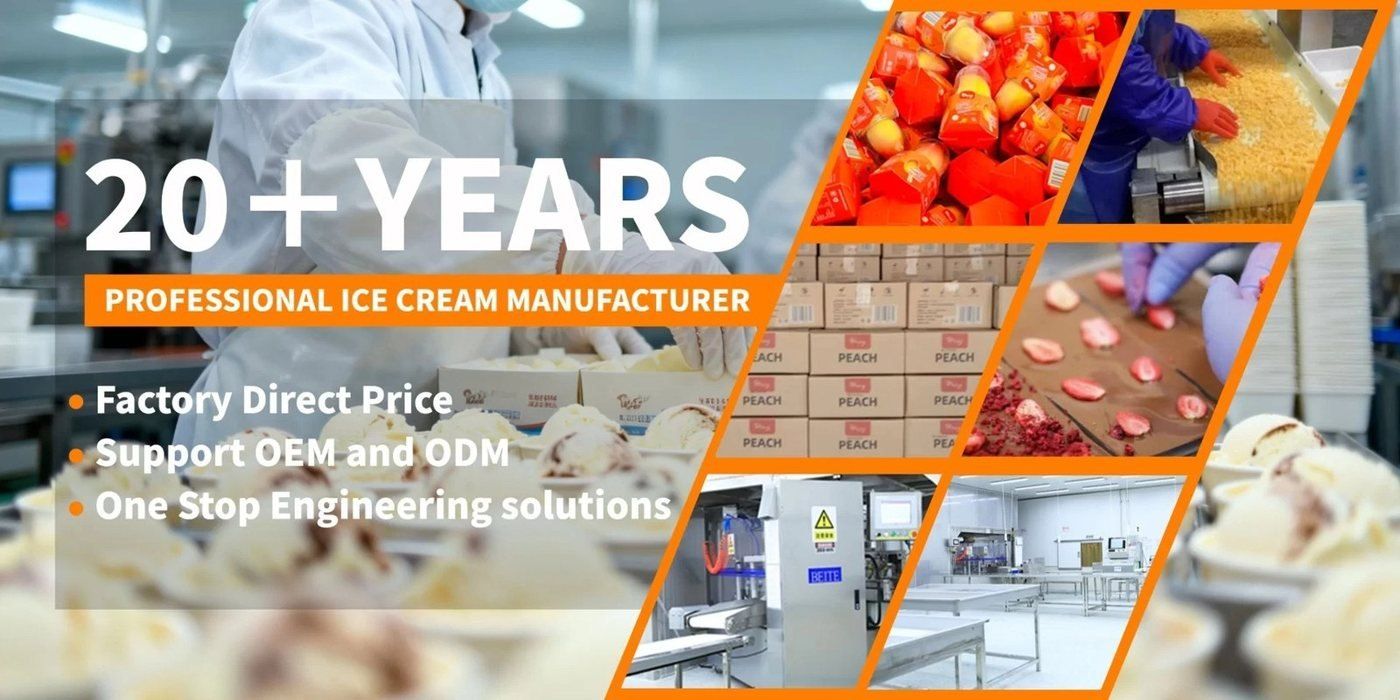
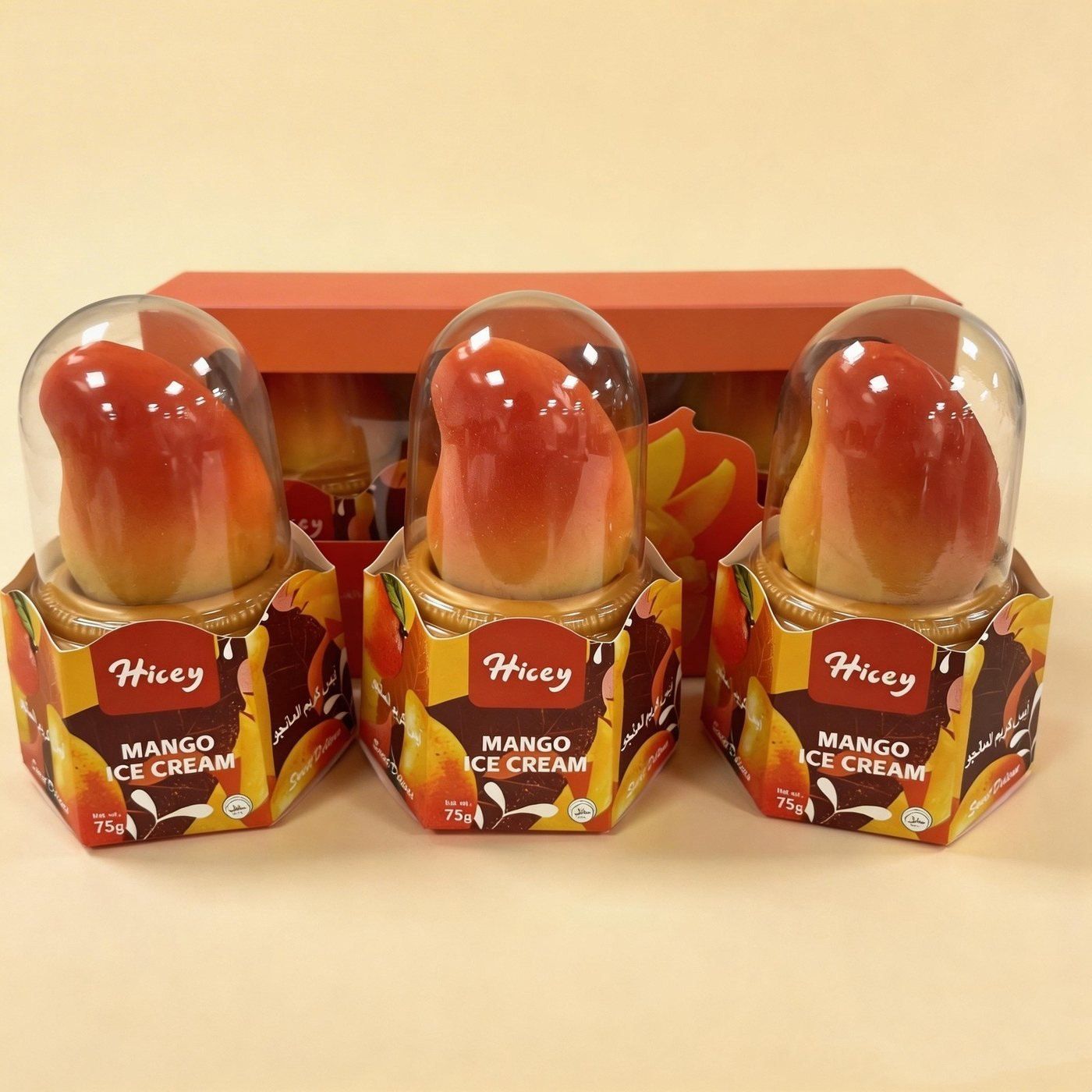
What regulatory risks arise from mislabeling milk solid ratios on novelty frozen dessert imports? Inaccurate declarations on commercial invoices lead to HS code reclassifications, duty adjustments, and port inspections. Hicey ensures that export documentation and product specifications match local regulatory requirements to support smooth customs clearance.

Authored by the regulatory and sales team at Hicey. Under Beijing Youshare Food Co., Ltd., we support global private label programs with three distinct compliance baselines: FDA registration for North America, HALAL certification for the Middle East, and ISO22000 management.
#Hicey #IceCreamTariff #CustomsCompliance #DairyContent #B2BExport
Product super fit, quick contact unlock exclusive program


looking for more infermatien?
Tel+Whatsapp:
Address: Yard 8, Fuze Road ,Fangshan District.Beijing, China
610 Zhonghai International Plaza, LicangDistrict, Qingdao, Shandong, China