





-


-


-


Online Message


How Do You Calculate the Actual Landed Cost of Imported Frozen Desserts Beyond F
2026-10-17
Share to:


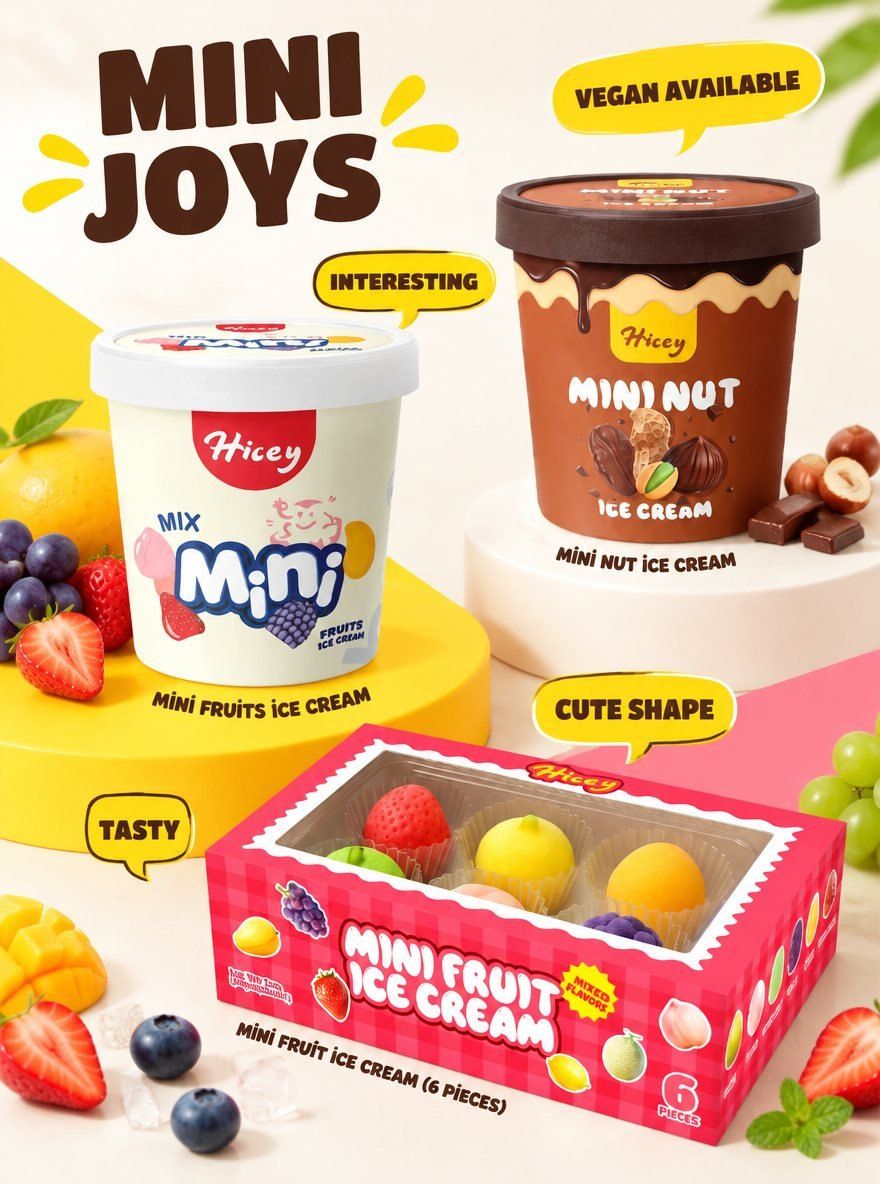
When importing frozen novelties and novelty ice cream in reefer containers from overseas manufacturers, evaluating only the factory FOB price creates significant budget gaps upon arrival. True landed cost comprises factory product charges plus reefer container ocean freight, tariff duties based on milk solid content classification, continuous reefer power plugin fees during port inspection, and destination cold-storage drayage.
Ocean Freight and Specialized Reefer Container Costs
The foundational layer beyond factory gate pricing is the 40ft high-cube reefer container ocean freight. Unlike dry cargo, refrigerated units require dedicated vessel slots, continuous generator power during transit, and strict temperature monitoring at -18℃ to prevent irreversible freeze-thaw damage.
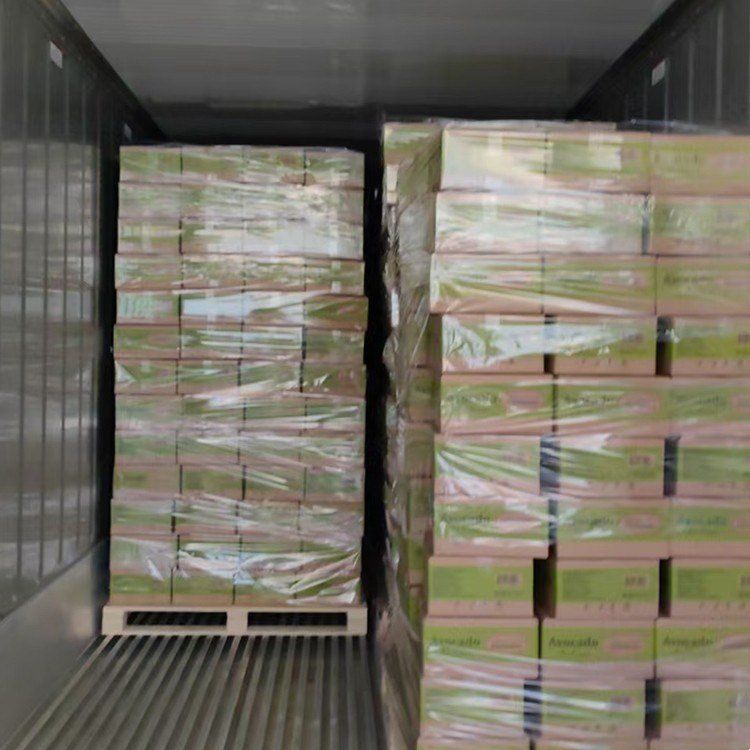
Shipping novelty ice cream involves negotiating freight rates that factor in seasonal maritime congestion and equipment availability. Buyers must account for marine insurance covering temperature-controlled transit risks, ensuring that transit disruptions do not compromise structural integrity.
Tariff Classifications Tied to Milk Solid Content
Customs clearance duties often catch new importers off guard because tariff codes do not depend on the novelty shape, but rather on precise composition.
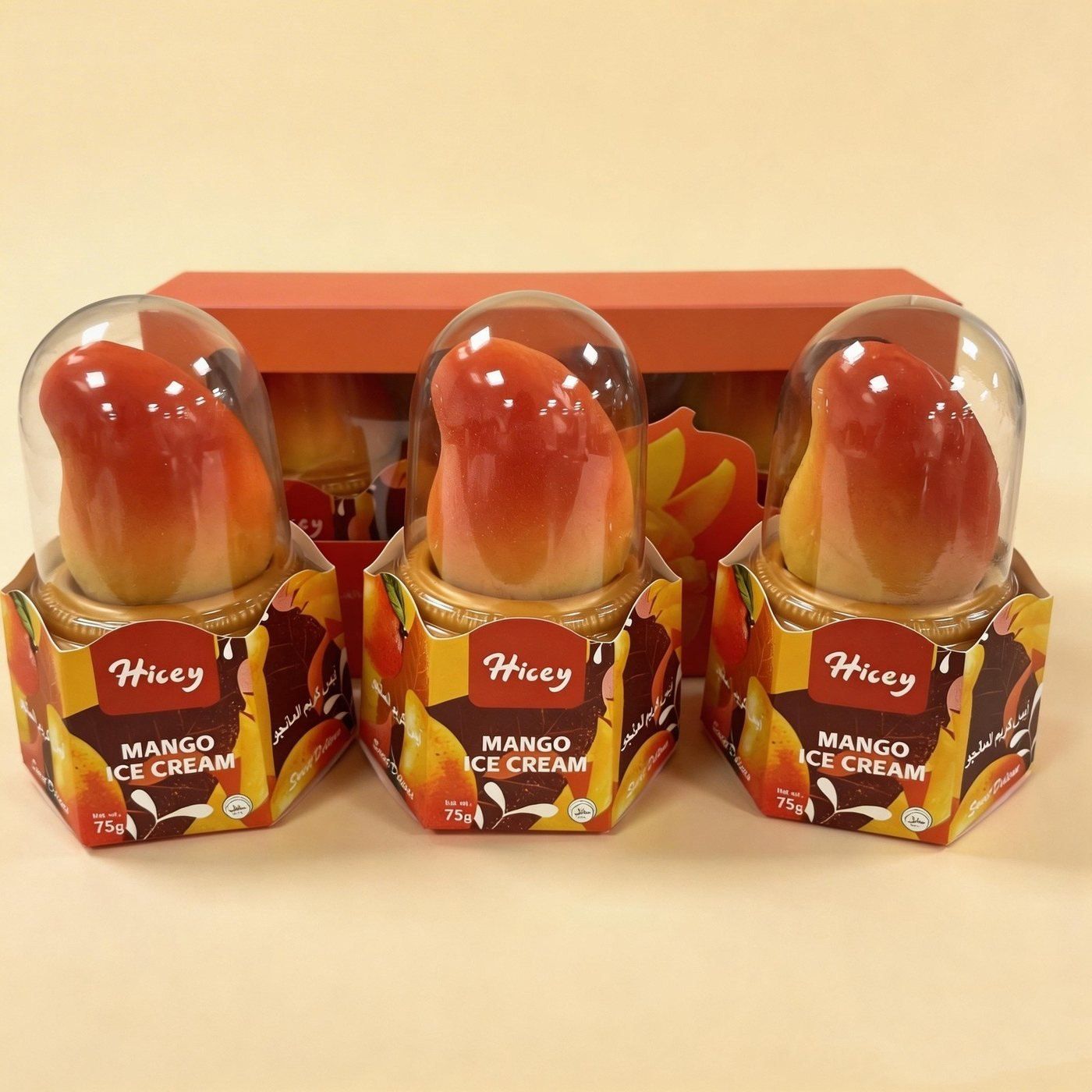
Tariff duties depend directly on milk solid content classification. Regulatory bodies classify frozen desserts based on dairy fat and non-fat milk solid percentages. A shift from a plant-based sorbet category to a high-dairy formulation can alter the applicable import tariff bracket significantly, directly impacting the final landed cost per carton.
Port Inspection Power Plugin Fees and Detention Risks
Cold-chain logistics face unique vulnerability at destination ports. If customs authorities flag a reefer container for physical inspection, the box must be plugged into port terminal shore power to maintain the required sub-zero environment.
Continuous reefer power plugin fees accrue daily during regulatory holds, alongside terminal handling charges and potential demurrage if clearance paperwork is delayed. Ensuring complete export documentation minimizes the duration of port inspections and prevents unexpected utility surcharges.
Destination Cold-Storage Drayage and Final Delivery
The final leg involves transporting the reefer container from the seaport terminal to a temperature-controlled cold-storage warehouse or regional distribution center.
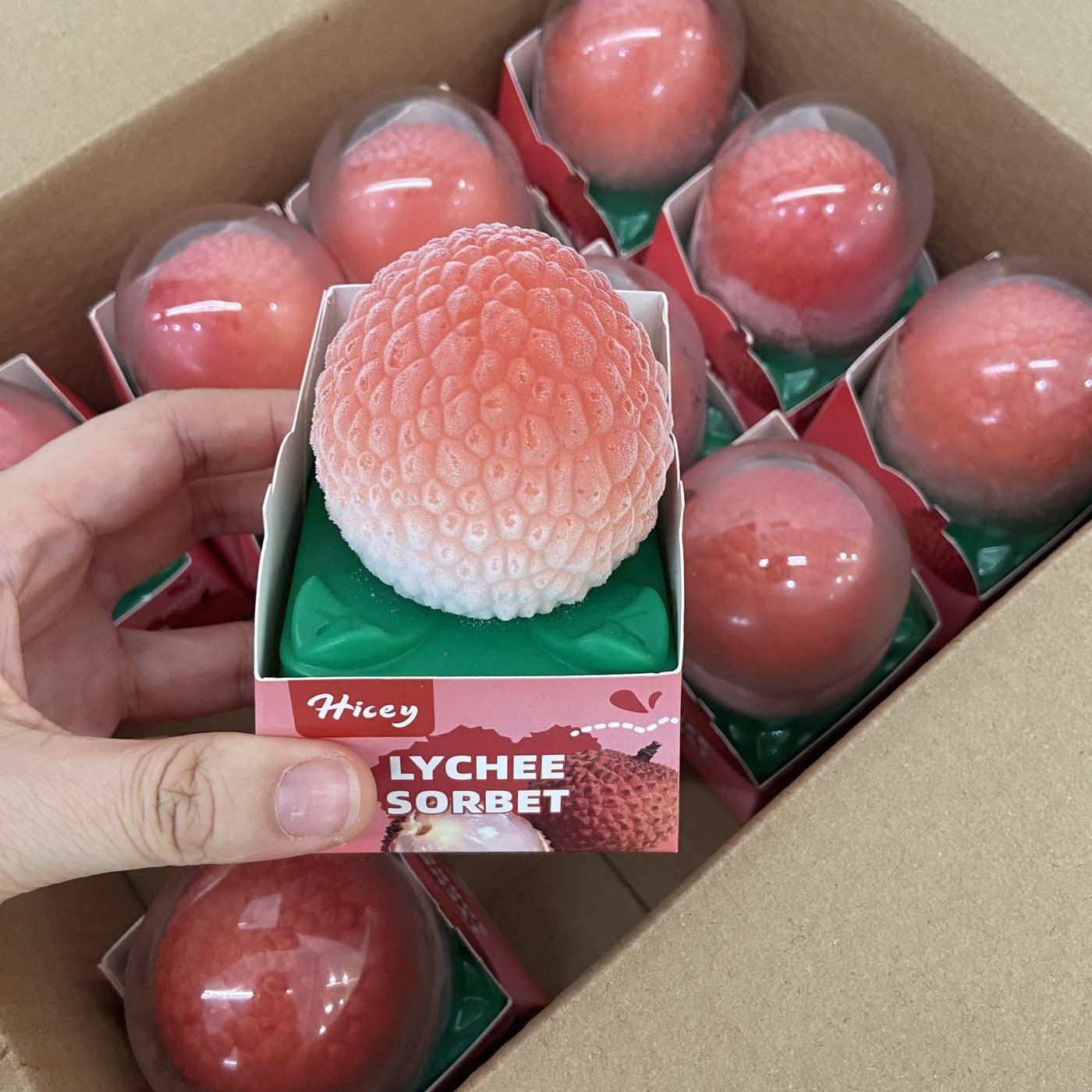
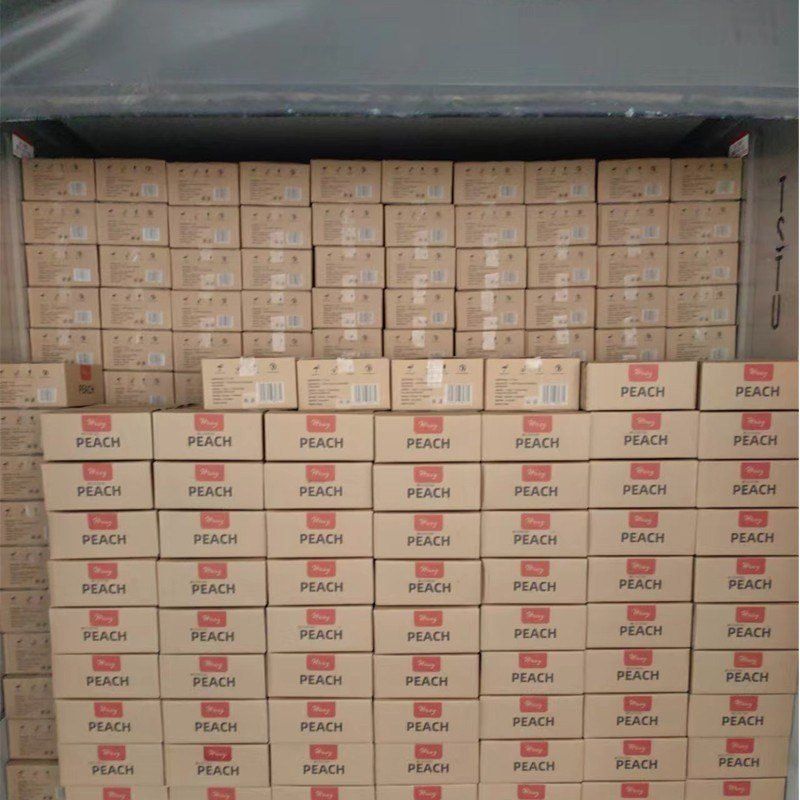
Destination cold-storage drayage rates vary depending on terminal congestion, distance, and refrigerated trucking availability. Buyers should coordinate drayage schedules in advance to avoid weekend storage penalties and ensure immediate plug-in upon warehouse arrival.
Key Facts
- Reefer Specification: 40ft high-cube reefers represent the industry standard for ocean transport, though internal air ducts reduce total payload space compared to dry boxes.
- Documentation Accuracy: Complete and verified compliance paperwork prevents extended port holds and reduces exposure to daily reefer plugin fees.
- Cost Structure: True landed cost calculation requires summing product value, ocean freight, category-specific tariffs, port utility fees, and cold-chain drayage.
FAQ
Why do actual import costs often exceed initial FOB calculations? Because FOB only covers goods at the origin port. Ocean freight, destination tariffs tied to dairy composition, port reefer electricity fees during inspections, and refrigerated trucking add substantial post-factory expenses.
How does product formulation affect import tariffs? Customs authorities determine duty rates based on ingredient percentages, particularly milk solid content classification, distinguishing between dairy-based ice cream and plant-based novelties.
Authored by the regulatory and sales team at Hicey. Under Beijing Youshare Food Co., Ltd., we support global private label programs with three distinct compliance baselines: FDA registration for North America, HALAL certification for the Middle East, and ISO22000 management.
#Hicey #LandedCost #ReeferShipping #ColdChainLogistics #ImportManagement
Product super fit, quick contact unlock exclusive program


looking for more infermatien?
Tel+Whatsapp:
Address: Yard 8, Fuze Road ,Fangshan District.Beijing, China
610 Zhonghai International Plaza, LicangDistrict, Qingdao, Shandong, China