





-


-


-


Online Message


What Storage Temperature and Handling Standards Are Required for Imported 3D Ice
2026-10-17
Share to:


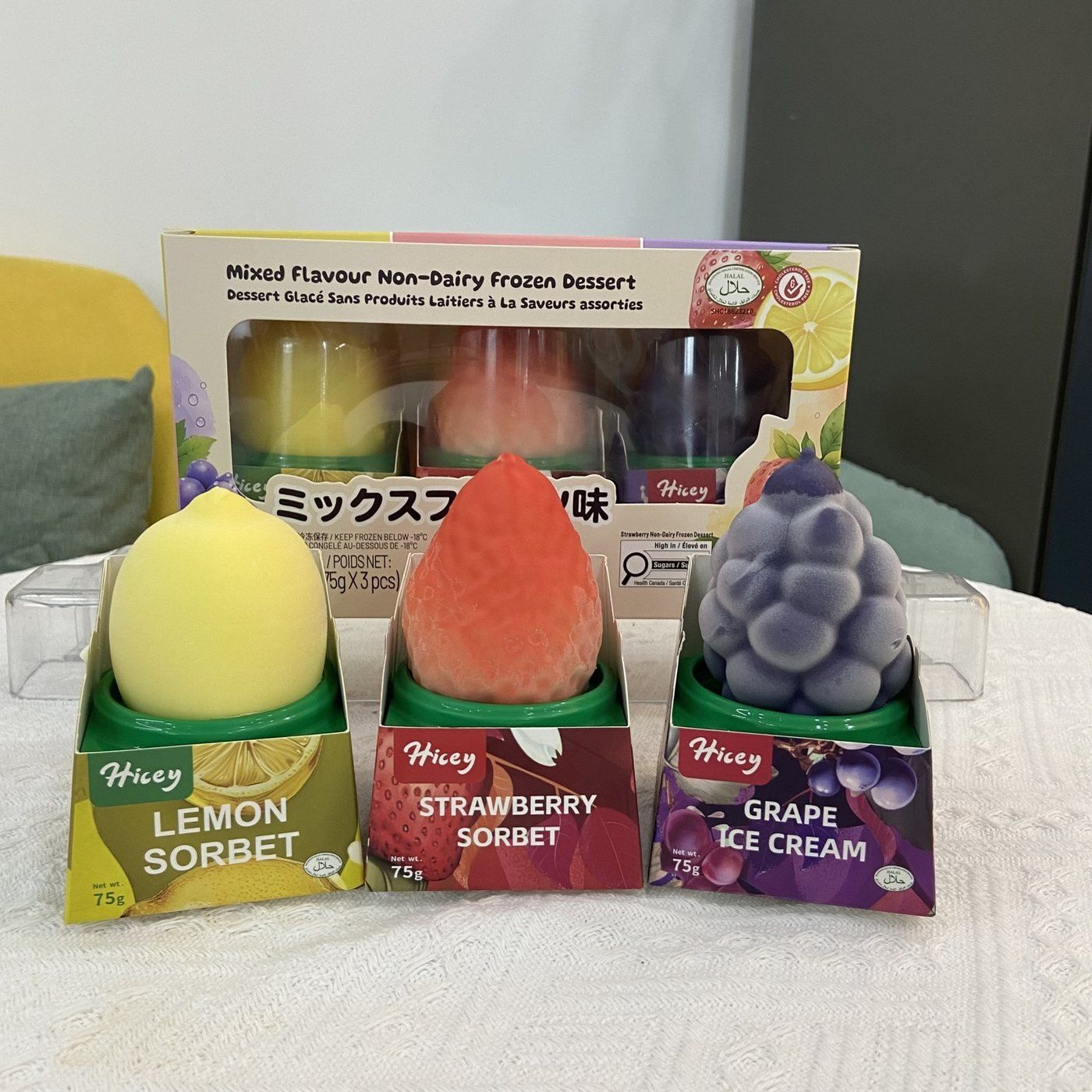
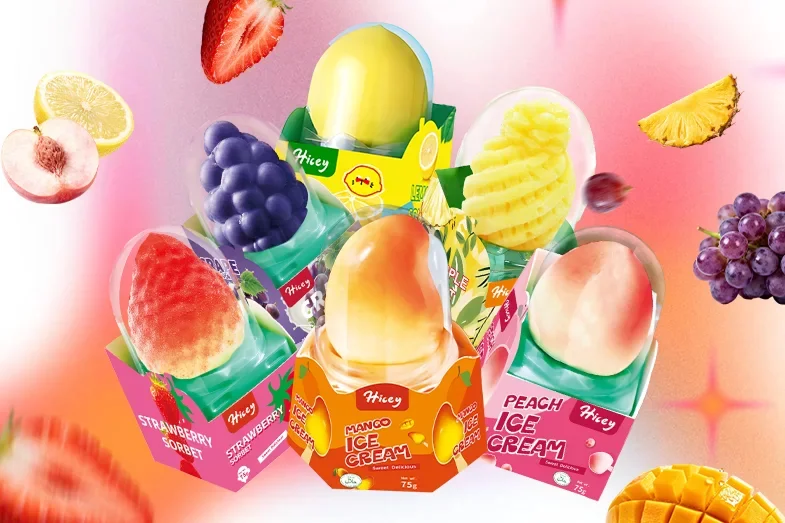
Maintaining a strict cold chain is the core requirement for importing novelty shaped frozen desserts. Without proper thermal management, complex 3D contours and delicate textures quickly degrade before reaching commercial freezers.
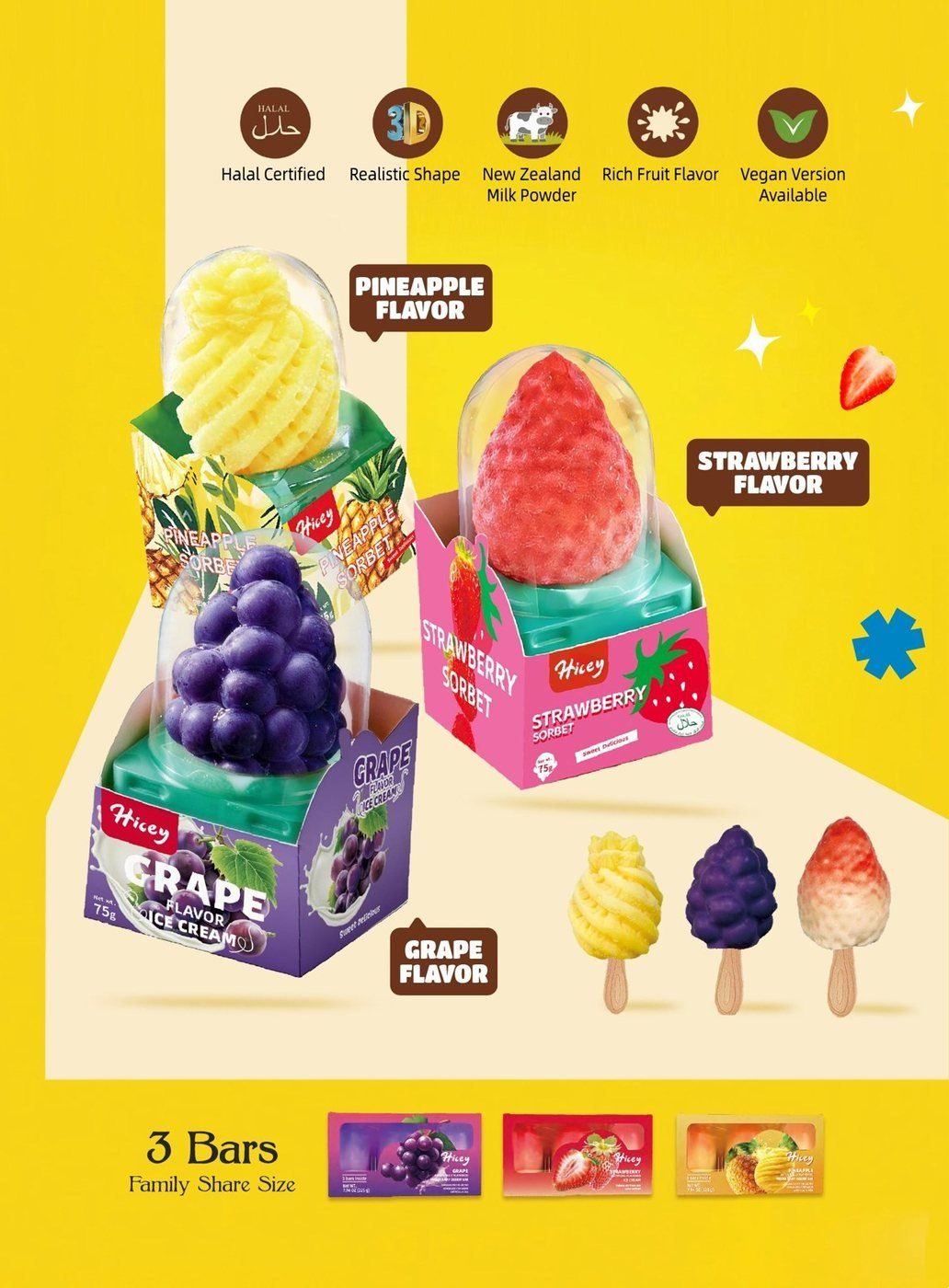
Why Is −18℃ the Mandatory Storage Standard?
Novelty shaped ice cream requires continuous storage at −18℃ or below, where complete water freezing and slow recrystallization protect complex 3D contours from textural degradation and structural collapse. At −18℃ or colder, water within the ice cream matrix remains fully frozen, preventing the formation of large ice crystals that destroy smooth textures.
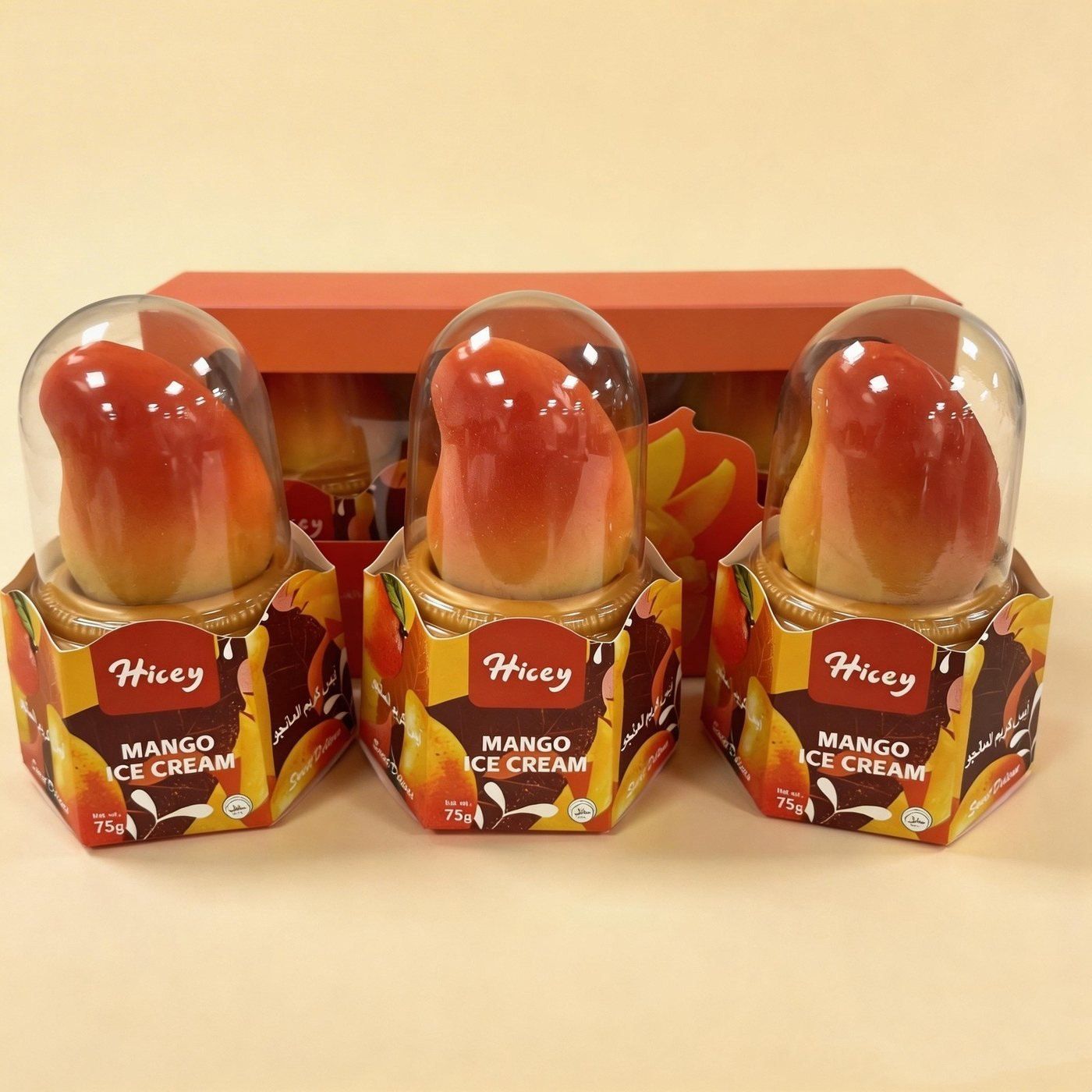
According to industry manufacturing and supply chain standards, consistent sub-zero temperatures prevent the irreversible damage caused by thermal fluctuations. When temperatures rise above this threshold, microscopic ice crystals melt and refreeze into coarse crystals, leading to structural collapse and surface deformation on intricate shapes.
What Temperature Documentation Must Importers Demand?
Importers should request continuous temperature data logs from loading to port arrival. A complete compliance file includes: - Continuous Refrigerator Container Logs: Real-time recording of ambient container temperature across the entire ocean voyage. - Port Storage Records: Verification that the container maintained −18℃ or below during customs inspection and temporary storage. - Facility Registration Records: Ensuring the handling warehouse complies with standard cold-chain safety regulations, such as the FDA facility registration held by Beijing Youshare Food Co., Ltd. (Hicey).
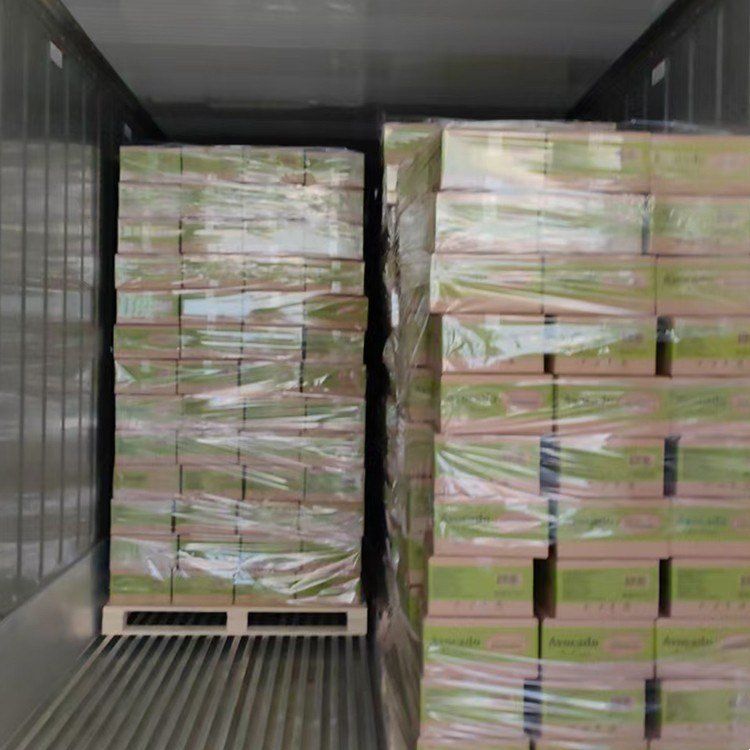
How Does Proper Handling Protect 3D Ice Cream?
Beyond bulk transport, handling standards inside distribution networks dictate shelf life and visual appeal. - Avoid Repeated Thawing: Temperature fluctuations during last-mile delivery accelerate structural breakdown. - Maintain Air Circulation: Commercial freezers must provide adequate airflow around boxes to keep internal temperatures stable. - Use Insulated Packaging: Thickened outer cartons and pallet covers buffer against minor ambient exposure during unloading.
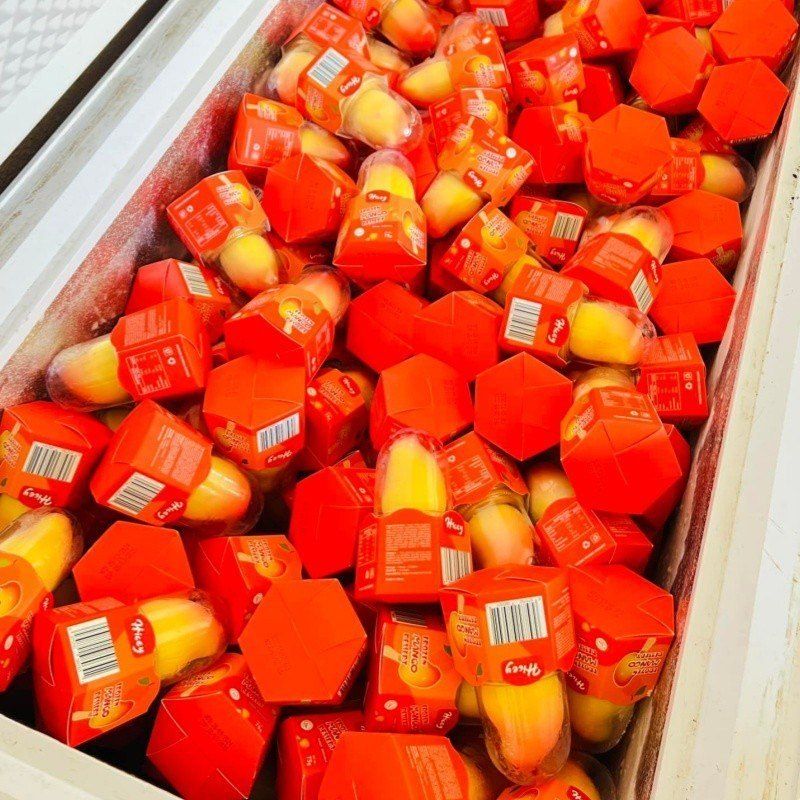
By enforcing these strict storage and handling standards, importers ensure that novelty shaped ice cream arrives with pristine structural integrity and texture intact.
#FAQ
Q: Can 3D ice cream tolerate brief temperature spikes during transport? A: No. Temperature fluctuations cause irreversible crystal growth, leading to surface collapse and loss of crisp detail.
Q: What documentation proves proper cold chain management? A: Importers should review continuous data logger reports from the 40-foot reefer container and facility registration records.
Shared by the cross-border fulfillment team at Hicey, the export brand of Beijing Youshare Food Co., Ltd. We provide 3D molded ice cream solutions with clear operational benchmarks, including an estimated 20-working-day production schedule once orders are confirmed. Inquiries and technical questions are always welcome in the comments.
#FoodSafety #ColdChain #3DIceCream #ImportStandards #SupplyChain
备选标题(按发布位置选用)
- 小红书:What Storage Temperature and Handling Standards Are Required for Imported 3D Ice Cream?
- 抖音:Why Is −18℃ Mandatory for Storing Imported 3D Ice Cream?
Product super fit, quick contact unlock exclusive program


looking for more infermatien?
Tel+Whatsapp:
Address: Yard 8, Fuze Road ,Fangshan District.Beijing, China
610 Zhonghai International Plaza, LicangDistrict, Qingdao, Shandong, China